
What Is the Difference Between Free-Range Farming, Cage Farming, and Automated Cage Farming?
Choosing the right poultry farming model is one of the most critical decisions for any poultry investor or farm owner. Different farming systems require different poultry house designs, equipment configurations, management methods, and investment levels. Understanding the differences between free-range farming, traditional cage farming, and automated cage farming helps farmers select the most suitable solution based on production goals, budget, labor conditions, and market positioning.
This article explains the key differences between these three systems, introduces relevant poultry equipment, and answers the most common questions buyers ask before purchasing poultry farming equipment.
1. Free-Range Farming System: Flexibility, Welfare, and Natural Behavior
1.1 What Is Free-Range Poultry Farming?
Free-range poultry farming refers to a production system in which chickens are raised on the floor or in open spaces instead of being confined in cages. Birds can move freely within the poultry house and, in some cases, access outdoor areas. This system is widely used for:
- Free-range laying hens
- Free-range broilers
- Free-range breeding chickens
The main advantage of free-range farming is improved animal welfare and natural behavior, which aligns with modern consumer preferences and animal welfare standards.
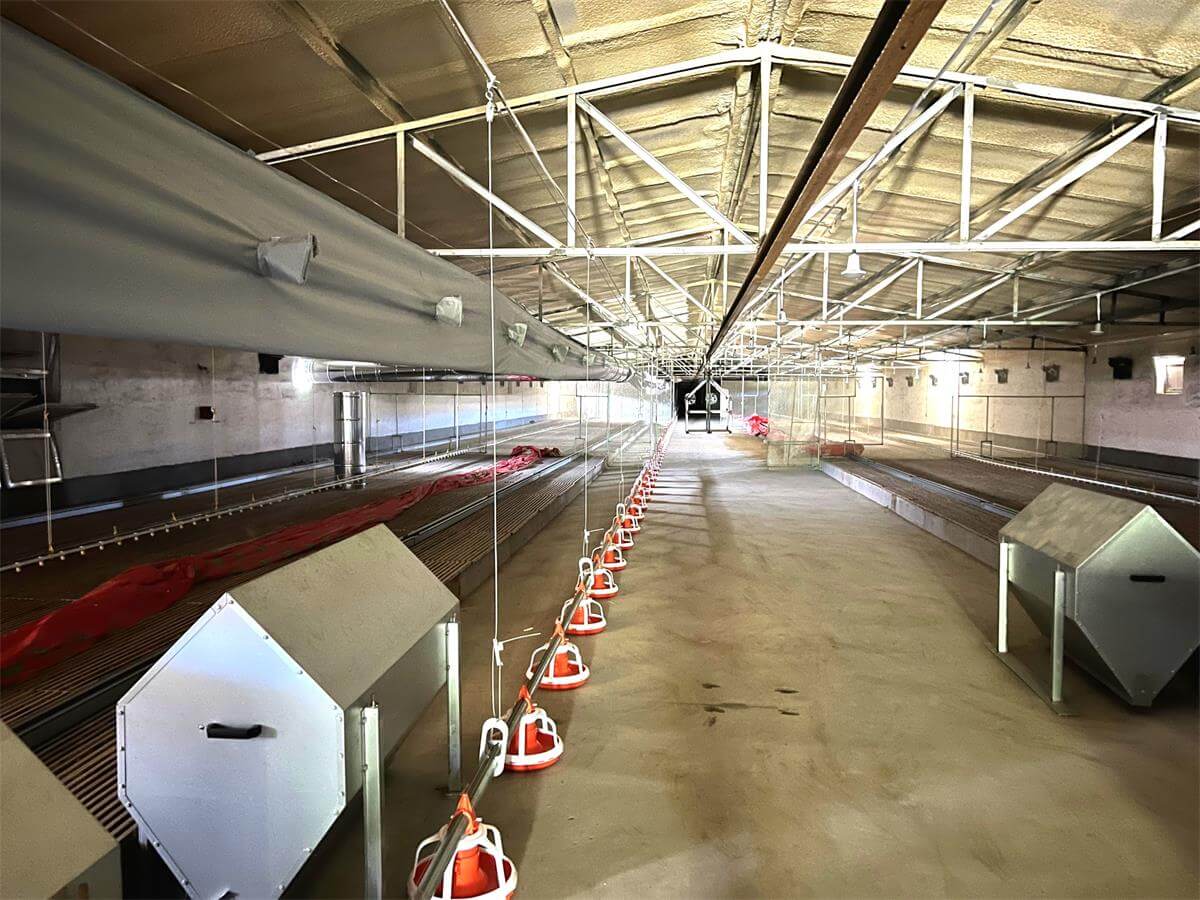
1.2 Free-Range Breeding Chicken System (Floor Breeder System)
The floor breeder system is an advanced free-range model integrated with automated equipment. It combines floor rearing with modern technology to improve productivity and management efficiency.
Main equipment configuration:
- Automatic feeding system
- Automatic drinking system
- Egg collection system
- Manure cleaning system
- Lighting system
- Ventilation system
Key benefits:
- Flexible system structure that can be upgraded in the future
- Low initial investment compared to fully automated cage systems
- Automated production processes reduce labor costs
- Balanced feeding with separate feed lines for roosters and hens
- Improved breeding performance and flock uniformity
This system is suitable for farms that want to balance animal welfare and production efficiency without investing in complex cage automation.
1.3 Free-Range Egg Production System (Plastic Slatted Floor)
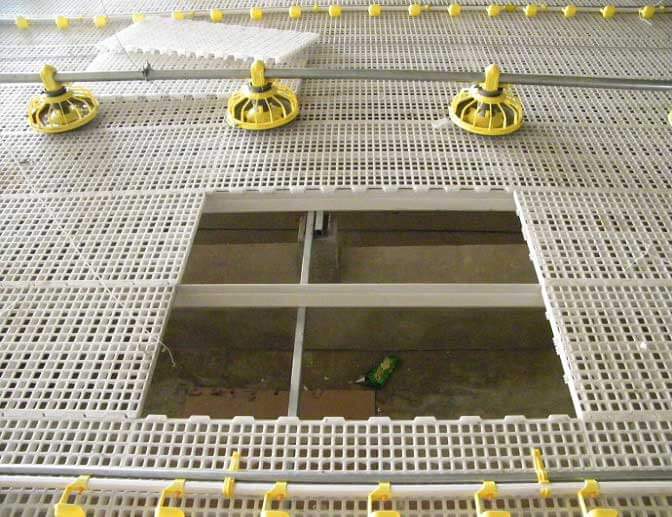
In cage-free layer farms, flooring plays a crucial role in hygiene and bird health. HIGHTOP’s plastic slatted floor system replaces traditional wooden floors and significantly improves farm sanitation.
Technical features:
- High-strength polypropylene material
- Wear-resistant and impact-resistant
- Moisture-proof and corrosion-resistant
- Slatted design separating birds from manure
Advantages:
- Cleaner and healthier poultry house environment
- Reduced bacterial growth and disease risk
- Smooth surface protects poultry feet and reduces leg problems
- Easy cleaning and long service life
- Suitable for layers, broilers, breeders, ducks, and geese
This system is ideal for farms aiming to build modern cage-free egg production facilities.
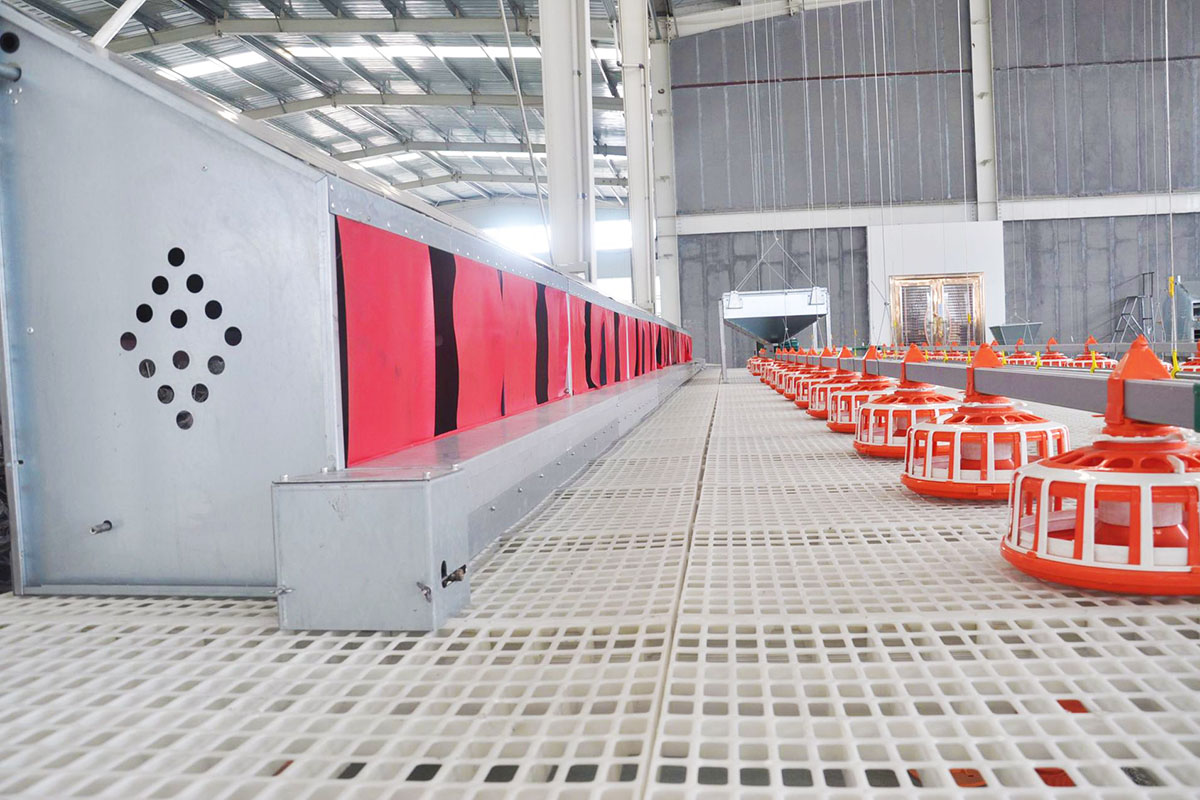
Plastic poultry flooring system
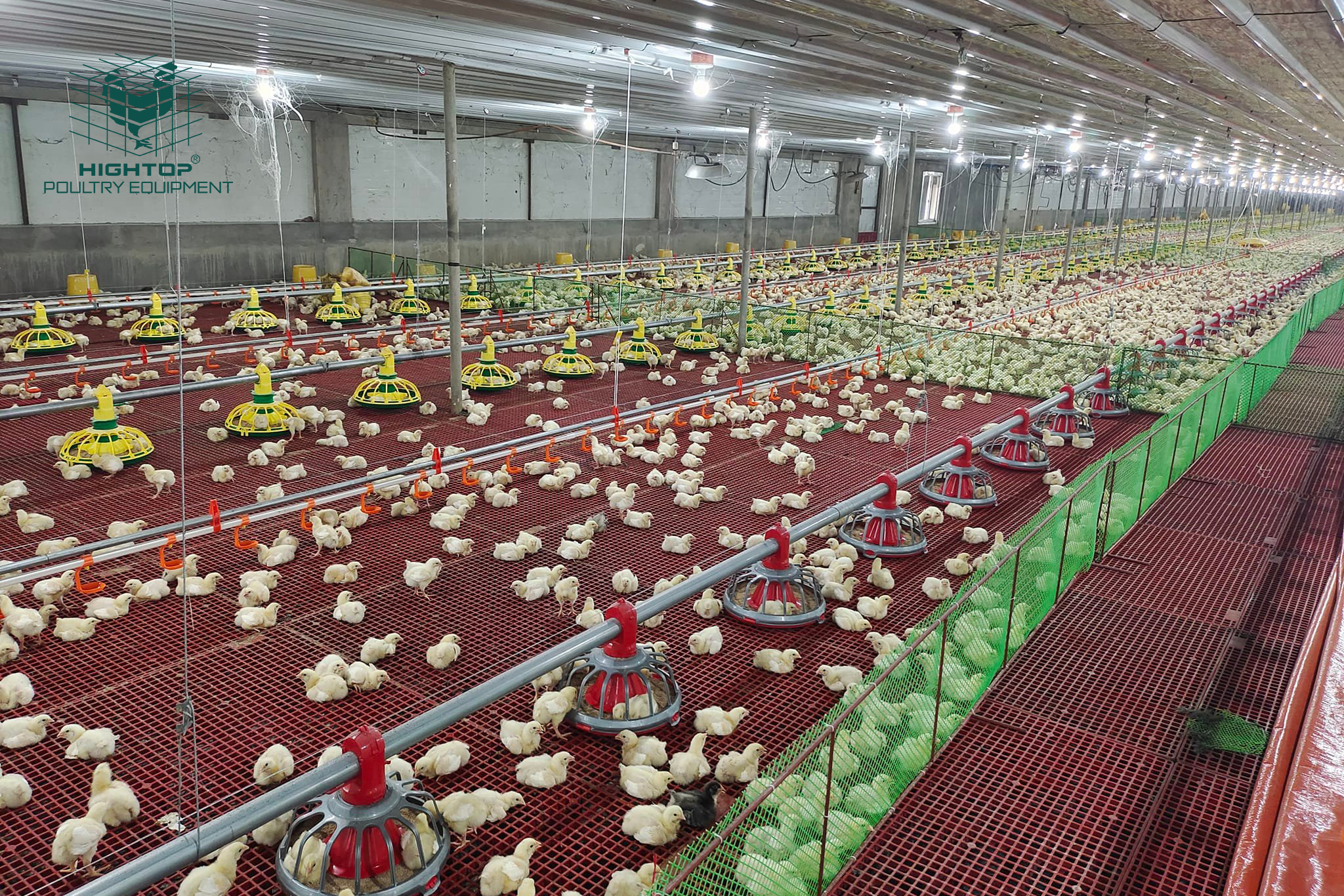
1.4 Free-Range Broiler Farming System (Deep Litter System)
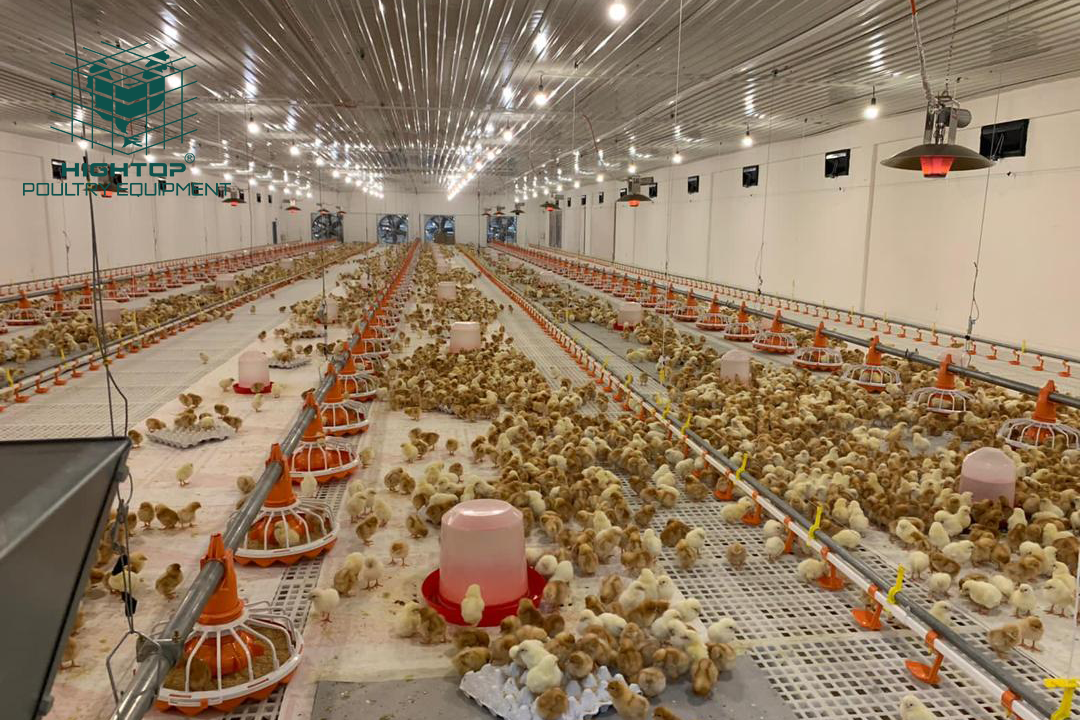
The deep litter system is a widely used free-range broiler production model.
Main components:
- Automatic main stock line system
- Automatic pan feeding system
- Automatic drinking system
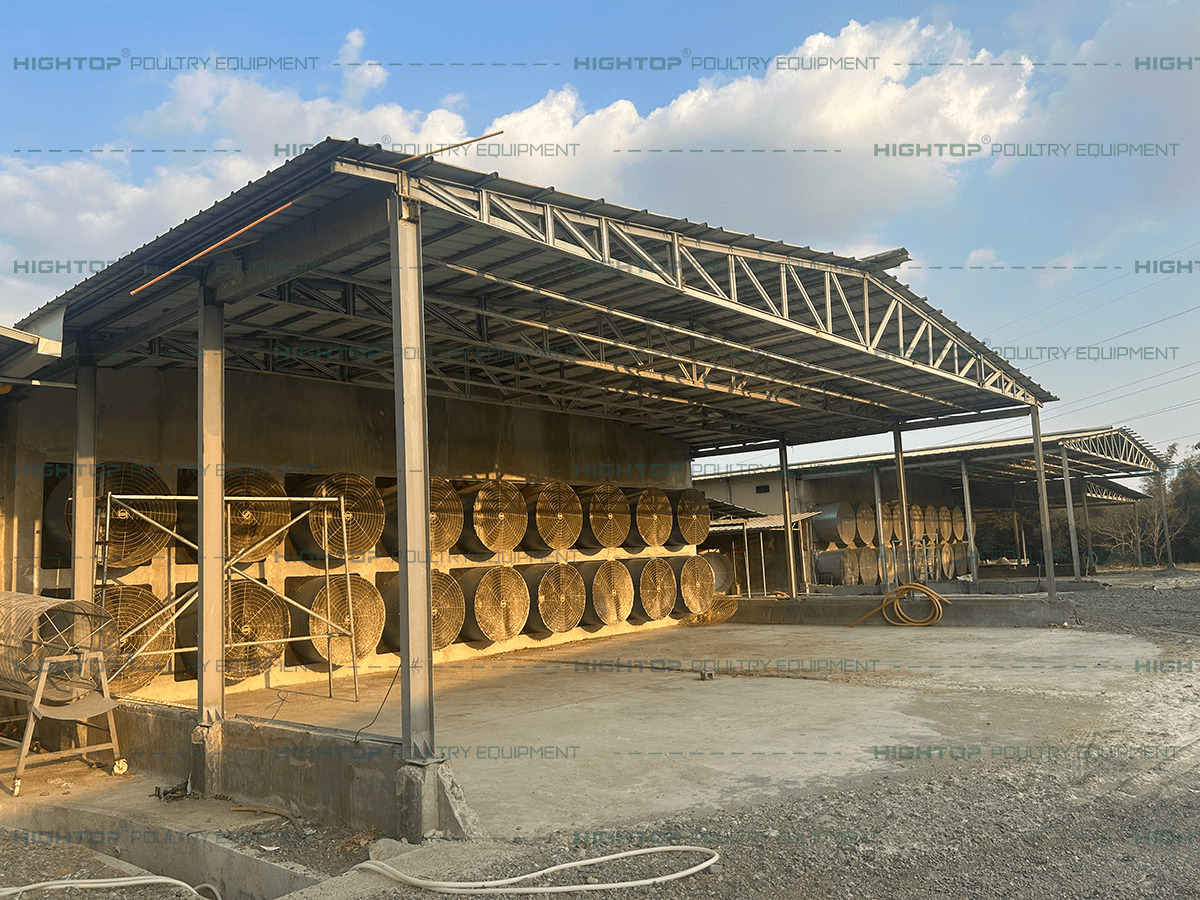
- Ventilation system
- Environmental control system
- Cooling pad and heating system
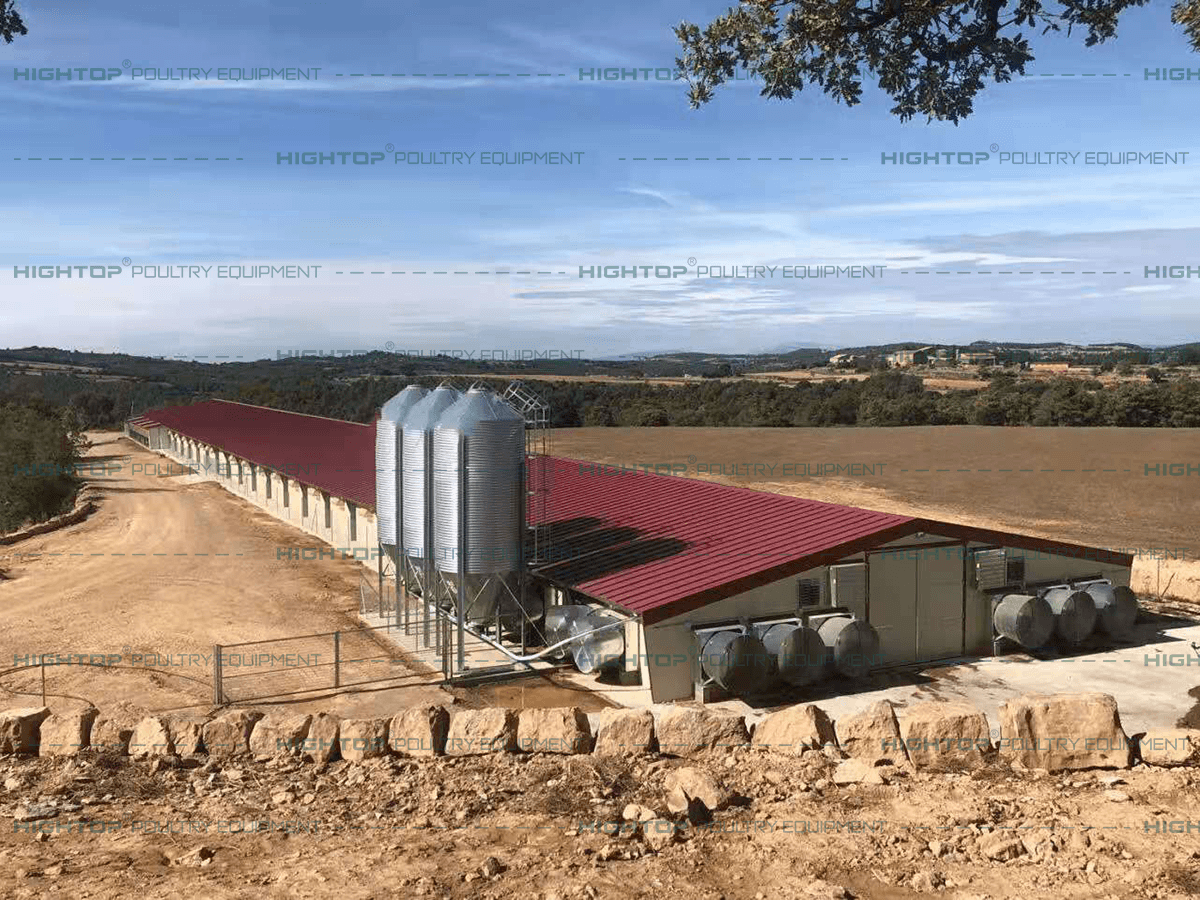
Design parameters of poultry houses:
- Height (eaves): 2.5–3.5 m
- Width: 8–15 m
- Recommended length: ≤ 140 m
Advantages:
- Simple operation and efficient feeding
- Stable environmental control
- Improved growth performance
- Reduced mortality and stress
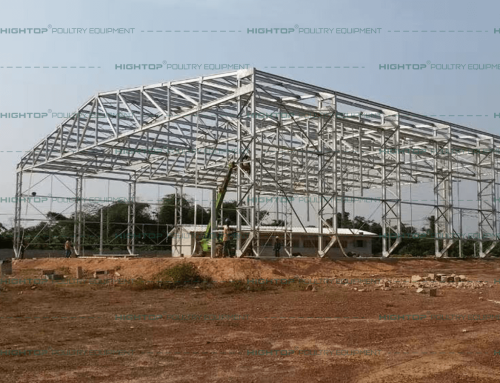
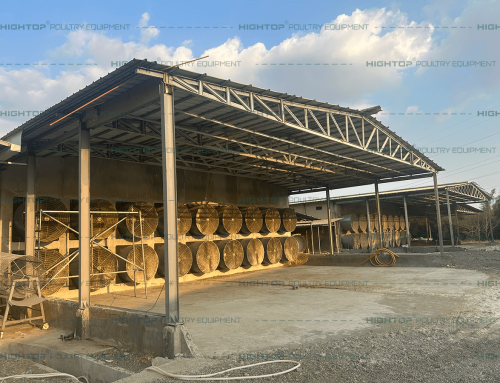
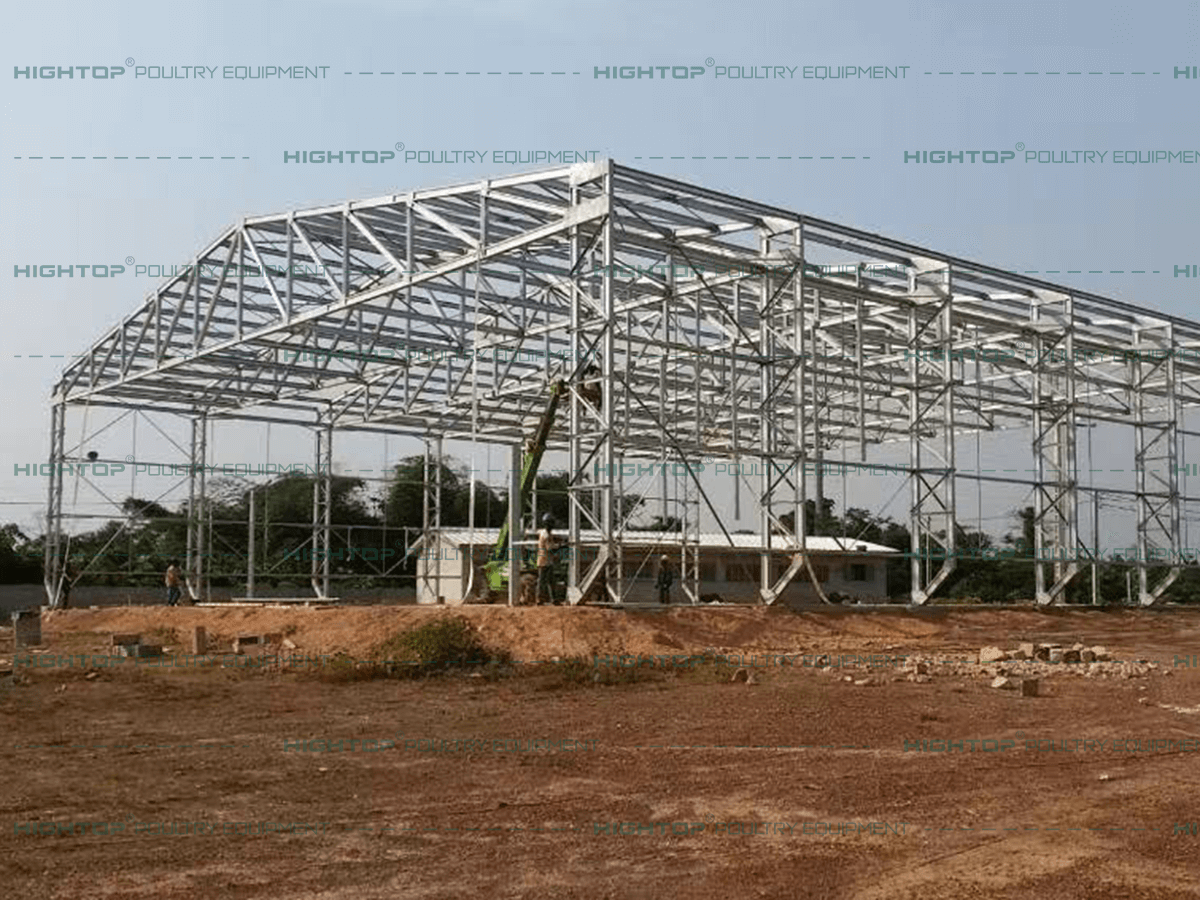
- Suitable for steel-structure poultry houses
2. Traditional Cage Farming: Cost-Effective and Space-Efficient
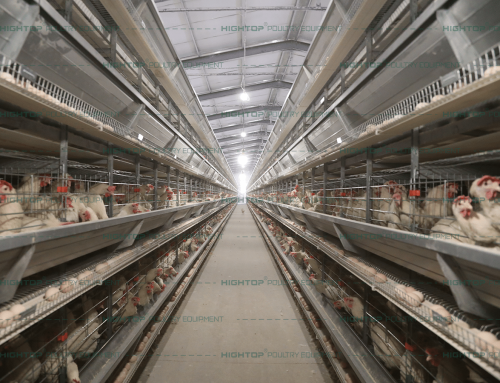
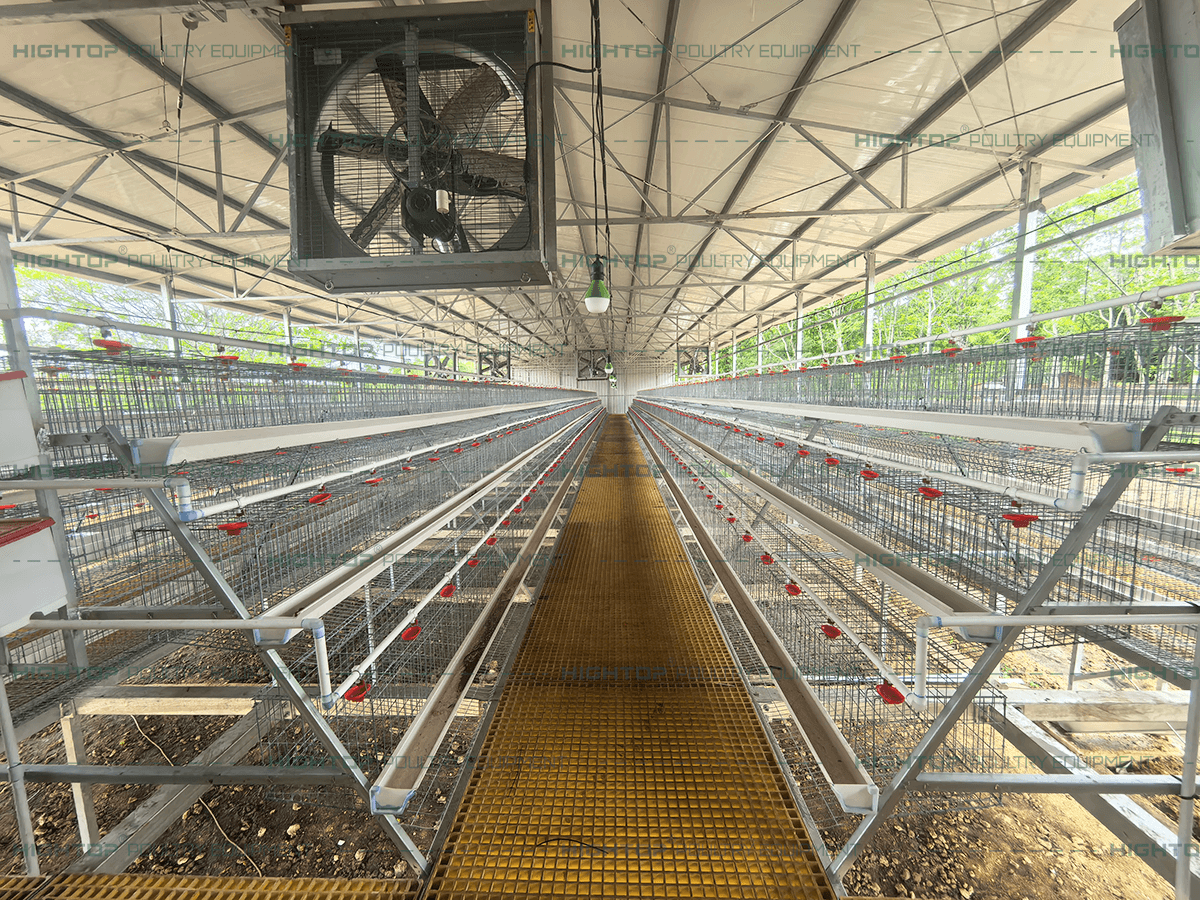
Traditional cage farming uses layer cages or broiler cages to increase stocking density and improve space utilization.
Characteristics:
- Higher stocking density than free-range systems
- Lower land requirement
- More stable production output
- Lower investment than fully automated systems
Typical equipment:
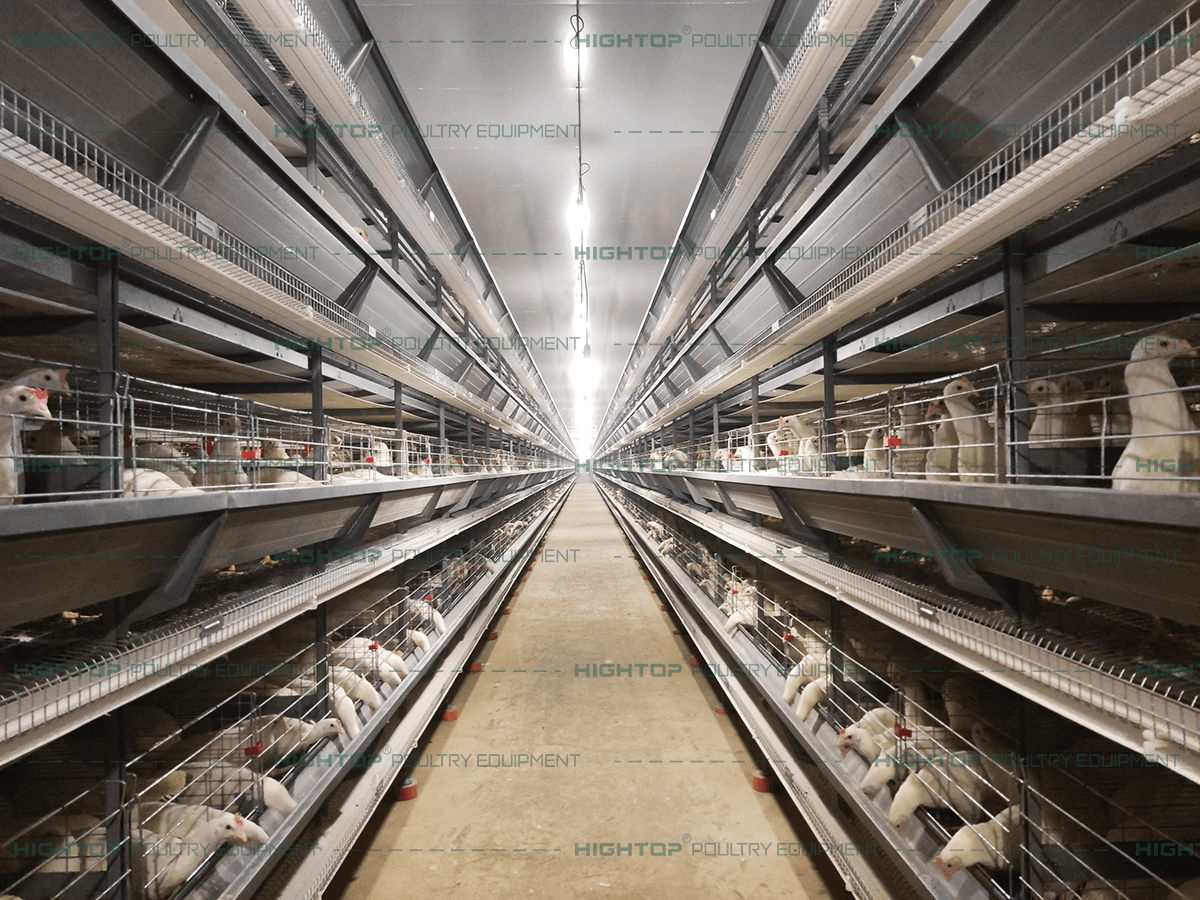
- Layer cages
- Broiler cages
- Semi-automatic feeding carts
- Manual egg collection
- Basic ventilation systems
Traditional cage systems are suitable for small and medium farms seeking stable production with limited investment.
3. Automated Cage Farming: High Efficiency and Industrial Production
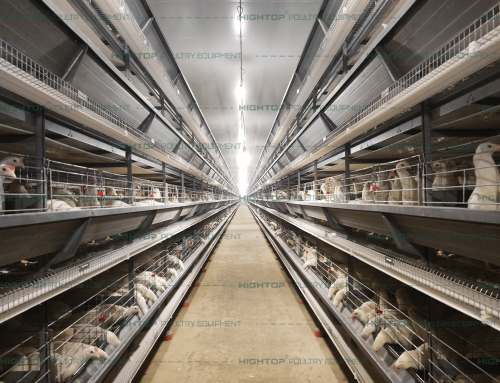
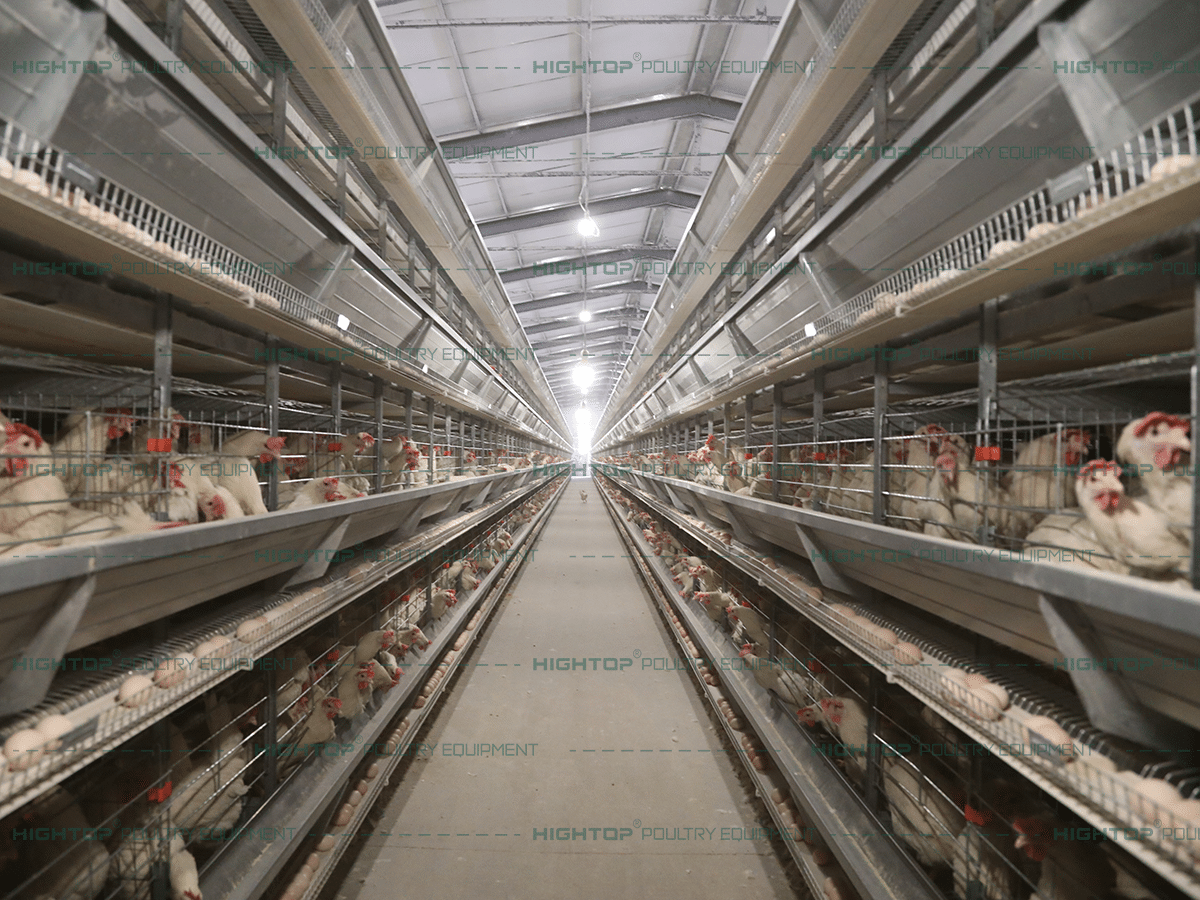
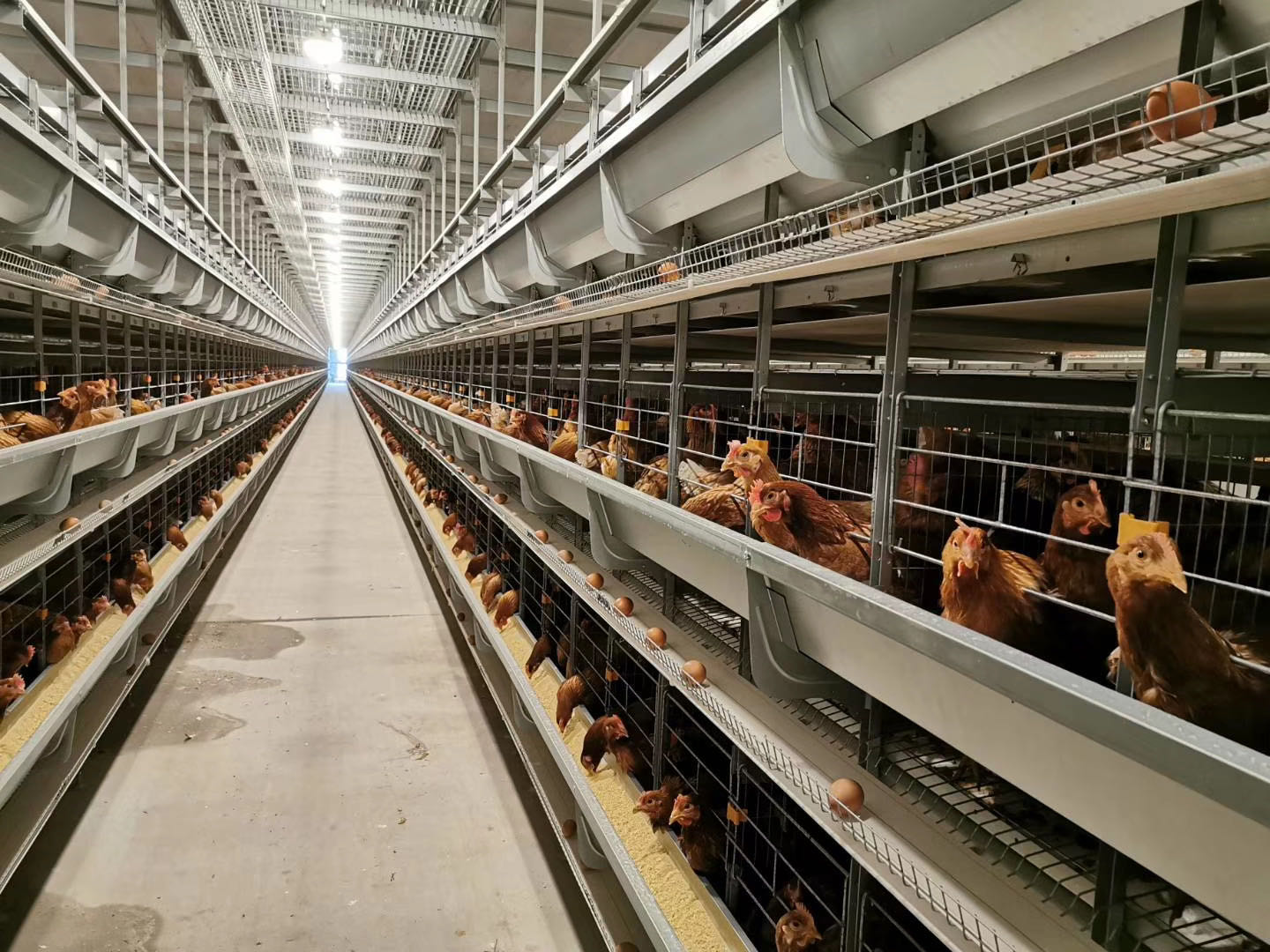
Automated cage farming represents the most advanced poultry production model.
Key features:
- Fully automated feeding, drinking, egg collection, and manure removal
- Intelligent environmental control systems
- Minimal labor requirements
- Large-scale production capacity
Typical equipment:
- Automatic feeding lines
- Automatic egg collection systems
- Automatic manure belt systems
- Central control systems
This system is suitable for large commercial farms aiming for industrial-scale production.
4. Comparison of Three Poultry Farming Models
| Aspect | Free-Range Farming | Traditional Cage Farming | Automated Cage Farming |
|---|---|---|---|
| Animal welfare | High | Medium | Medium |
| Investment level | Low to medium | Medium | High |
| Labor requirement | Medium | Medium | Low |
| Stocking density | Low | High | Very high |
| Production efficiency | Medium | High | Very high |
| Management complexity | Low to medium | Medium | High |
| Market positioning | Premium / natural products | Mass market | Industrial production |
5. Why Free-Range Farming Is Becoming More Popular
Free-range systems are increasingly adopted because they:
- meet animal welfare standards
- improve brand value of poultry products
- reduce stress-related diseases
- adapt to diversified market demands
However, free-range systems require proper design and equipment to avoid problems such as poor hygiene, uneven feeding, and unstable production.
This is why modern free-range farms increasingly rely on integrated equipment solutions rather than purely manual management.
6. FAQ
When purchasing poultry equipment, buyers are not only comparing prices. The real concern is whether the supplier is reliable, professional, and capable of supporting long-term farm operation.
Below are the most common questions and clear answers.
6.1 Are you a manufacturer or a trading company?
We are a professional manufacturer specializing in poultry farming equipment.
- 20 years of manufacturing experience
- 15 years of export experience
- Complete production lines for cages and poultry equipment
Being a manufacturer means better quality control, stable supply, and technical support.
6.2 Do you have real projects?
Yes.
We have implemented:
- automated cage system projects
- semi-automatic cage farms
- free-range poultry farms
- integrated poultry house solutions
Different systems are applied according to farm scale and investment level.
6.3 Can you provide case studies?
Yes.
We can provide relevant case studies based on:
- poultry house size
- number of birds
- farming model (free-range or cage)
- automation level
In most cases, we can match your project with similar completed farms.
6.4 Can you provide photos and videos?
Yes.
We provide:
- factory production videos
- installation videos
- project photos
- equipment operation demonstrations
These materials help buyers understand equipment structure and performance.
6.5 Do you provide after-sales support?
Yes.
We provide:
- installation guidance
- technical documentation
- operation manuals
- online technical support
6.6 Do you provide remote technical support?
Yes.
Remote support includes:
- equipment installation guidance
- troubleshooting
- system optimization
7. How to Choose the Right Free-Range Poultry Equipment?
Choosing free-range equipment depends on several factors:
- farm scale
- budget
- labor availability
- market positioning
- climate conditions
Recommended system selection:
- Free-range: Fewer than 8,000 chickens
- Cage farming: 3,000-10,000 chickens
- Automated cage farming: 8,000-50,000 chickens
- Note: The above numbers refer to the number of chickens raised in a single chicken house.
8. Conclusion: Free-Range Systems as a Strategic Choice
Free-range farming, traditional cage farming, and automated cage farming each serve different production goals.
Among them, free-range systems offer a unique balance between animal welfare and production efficiency. With proper equipment design and system integration, free-range poultry farming can achieve stable production, manageable costs, and strong market competitiveness.
By choosing a professional poultry equipment manufacturer with proven experience, real projects, and technical support, farmers can significantly reduce investment risks and build sustainable poultry operations.