
One of the most critical — and often underestimated — aspects of poultry farming is chicken manure management. Whether you operate a 5,000-layer farm or a 150,000-layer commercial egg operation, how you handle manure directly affects farm profitability, biosecurity, environmental compliance, and long-term sustainability.
Chicken manure is not simply waste. It is both a management challenge and a potential resource. With proper handling, it can be converted into high-value organic fertilizer. Without proper treatment, it becomes a source of ammonia emissions, disease transmission, odor complaints, and regulatory penalties.
This article provides a practical, data-based overview of chicken manure production, treatment methods, and strategic decisions for farms of different sizes.
How Much Manure Does a Layer Farm Produce?
Understanding manure volume is the first step toward designing a proper treatment strategy.
- A 20,000-layer farm, over a 78-week laying cycle, produces approximately 737 tons of manure.
- A 150,000-layer farm produces nearly 15 tons of manure per day.
These numbers represent manure production volume — not environmental responsibility estimates, but measurable physical output.
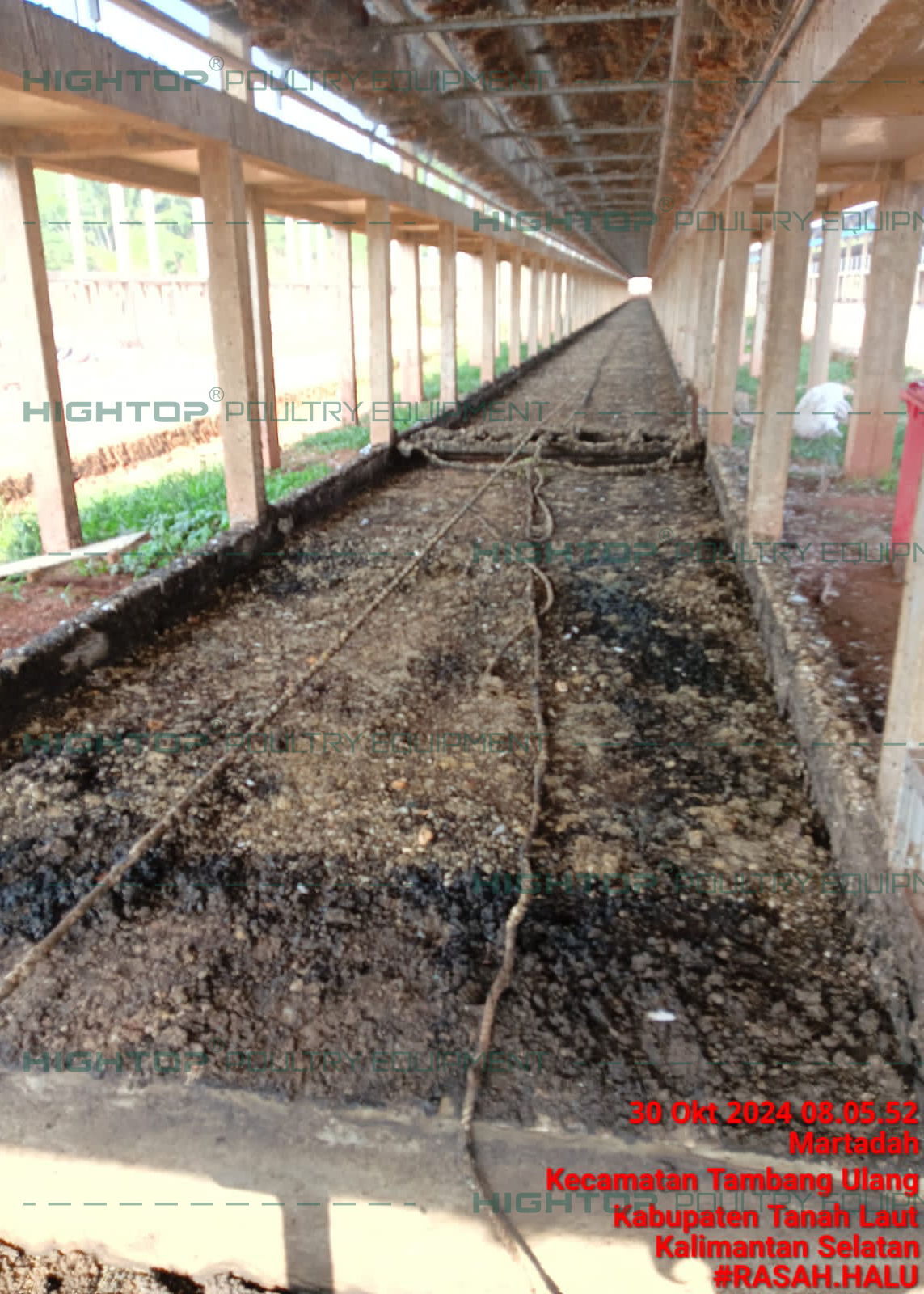
At this scale, manure handling becomes a daily operational requirement, not an occasional task. If not removed regularly, manure accumulation increases:
- Ammonia concentration
- Fly infestation
- Moisture levels inside the poultry house
- Disease risk
- Stress on laying hens
Therefore, efficient manure management is essential for maintaining egg production performance and flock health.
Why Proper Chicken Manure Management Matters
Effective manure handling improves:
1. Air Quality Inside the Chicken House
Excess manure leads to high ammonia levels, which damage the respiratory systems of hens and workers. Poor air quality reduces feed intake and egg production.
2. Biosecurity
Wet manure encourages bacterial growth, parasites, and pathogens. Proper drying or composting reduces microbial activity.
3. Environmental Compliance
Many countries are strengthening environmental regulations related to livestock waste. Farms producing 10+ tons of manure daily must manage runoff and odor responsibly.
4. Farm Profitability
Instead of treating manure as waste, farms can convert it into organic fertilizer and create an additional revenue stream.
How Different Farm Sizes Handle Chicken Manure
Manure management strategy varies significantly depending on farm size and financial capability.
Smallholder Farms
Small-scale poultry farmers often allow manure to ferment naturally on their land.
Advantages
- Very low cost
- No equipment investment required
Disadvantages
- Strong and persistent odor
- Release of ammonia and methane
- Attraction of flies
- Risk of groundwater contamination
- Slow, uncontrolled fermentation process
While this method saves money, it becomes less practical as flock size increases.
Medium and Large-Scale Farms
Medium and large poultry farms often outsource manure removal to specialized companies such as:
- Fertilizer manufacturers
- Waste collection services
These companies transport manure off-site for processing.
Disadvantages of Outsourcing
- Cleaning service fees
- Transportation costs
- Handling charges
- Long-term recurring expenses
For a farm producing 15 tons of manure daily, these fees can accumulate into a significant annual cost.

Main Methods of Chicken Manure Treatment
Currently, two primary manure treatment methods are widely used in the poultry industry:
1. Drying and Pelleting System
Raw Materials
- Chicken manure (moisture content below 30%)
- Rice husks or wood chips as conditioning agents
Process
- Manure is collected from the chicken house.
- Moisture is reduced through drying systems.
- The dried manure is granulated.
- The pellets are packaged and sold as organic fertilizer.
Advantages
- Produces odorless, easy-to-handle fertilizer
- 100% chicken manure, safe for soil
- Higher market value than raw manure
- Long storage life
Challenges
- High electricity consumption
- Equipment investment cost
- Not always economical where power costs are high
Many farmers hesitate to invest in drying systems because they feel uncomfortable using expensive electricity to process waste and then selling it at relatively low fertilizer prices.
However, in regions with strong organic fertilizer demand, this system can generate stable additional income.
2. Composting and Fermentation System
Composting is another widely adopted method, especially for farms aiming to reduce operating costs.
Process
- Manure is transferred (often via conveyor belt) to fermentation tanks.
- Controlled microbial fermentation reduces pathogens.
- Moisture gradually decreases.
- Odor is significantly reduced.
After fermentation, the compost can be:
- Sold in bulk
- Applied directly to farmland
- Further processed into granulated fertilizer
Advantages
- Lower electricity consumption compared to drying
- Reduced odor
- Lower investment compared to full drying systems
- Significant labor savings when conveyor systems are used
Many farmers now prefer fermentation tanks because manure can be transported directly from the poultry house via conveyor belt, minimizing manual handling and reducing labor costs.
Why More Farms Are Choosing On-Farm Manure Treatment
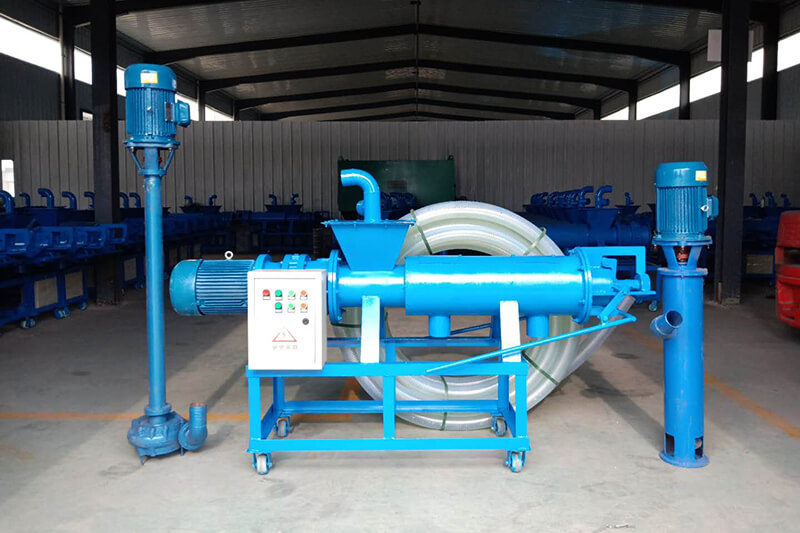
Due to rising environmental awareness and increasing disposal costs, more poultry farmers are moving toward on-farm manure processing systems.
By installing drying equipment or fermentation tanks, farms can:
- Reduce long-term outsourcing expenses
- Improve environmental compliance
- Lower odor complaints
- Enhance biosecurity
- Convert manure into marketable organic fertilizer
- Improve sustainability branding
Instead of paying to remove manure, farms are transforming waste into value.
The Role of Manure Drying Systems in Modern Poultry Farms
When manure leaves the chicken house, it typically passes through a drying stage to reduce moisture.
Lower moisture content:
- Reduces ammonia emission
- Prevents bacterial growth
- Makes transportation easier
- Improves fertilizer quality
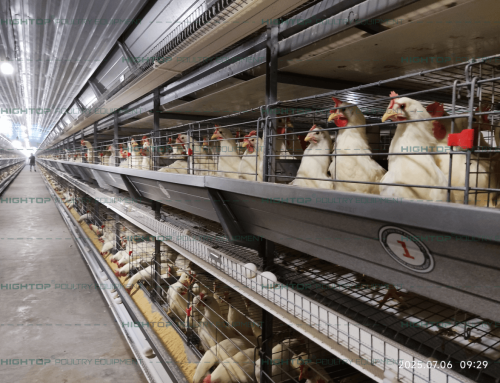
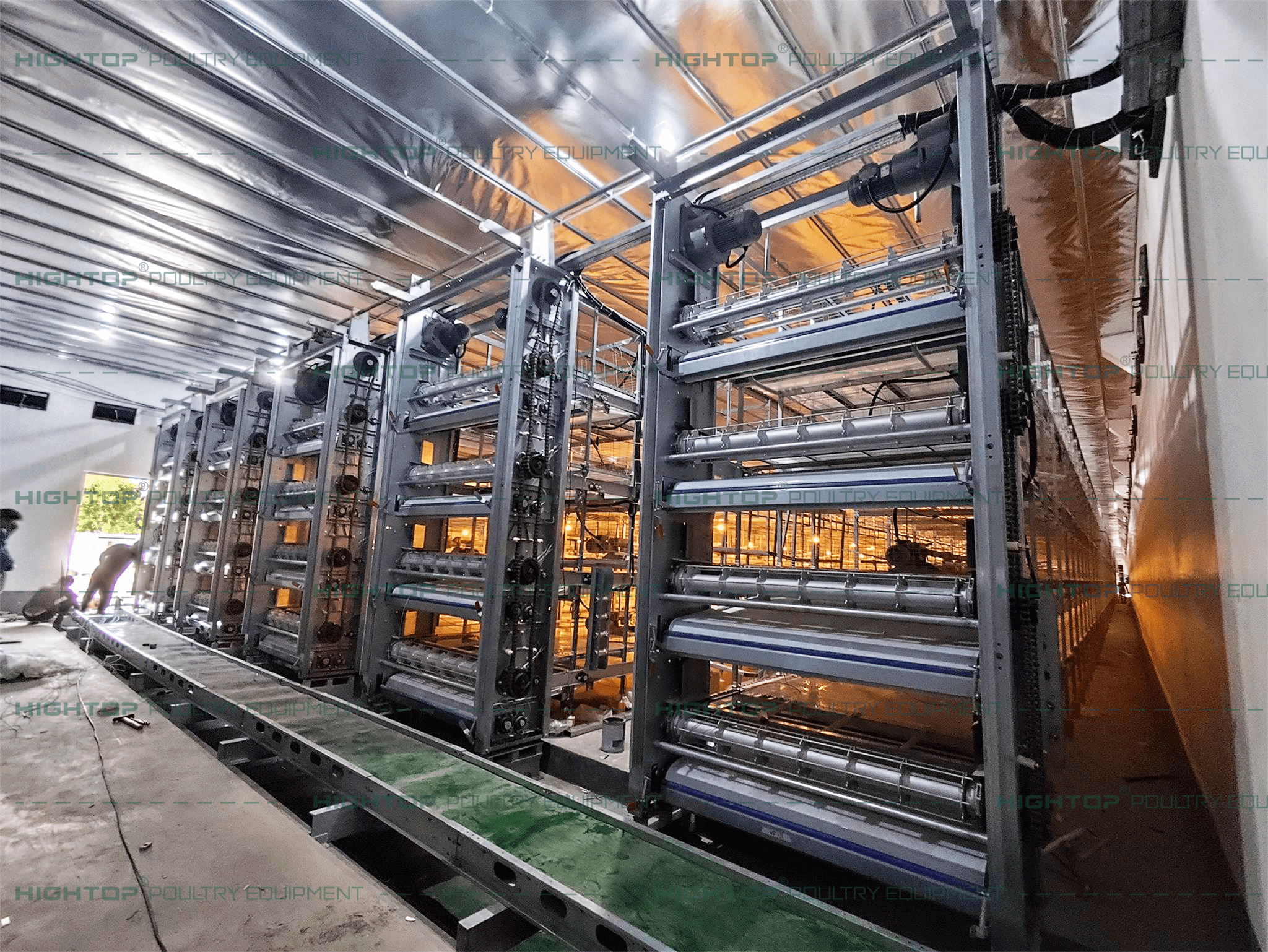
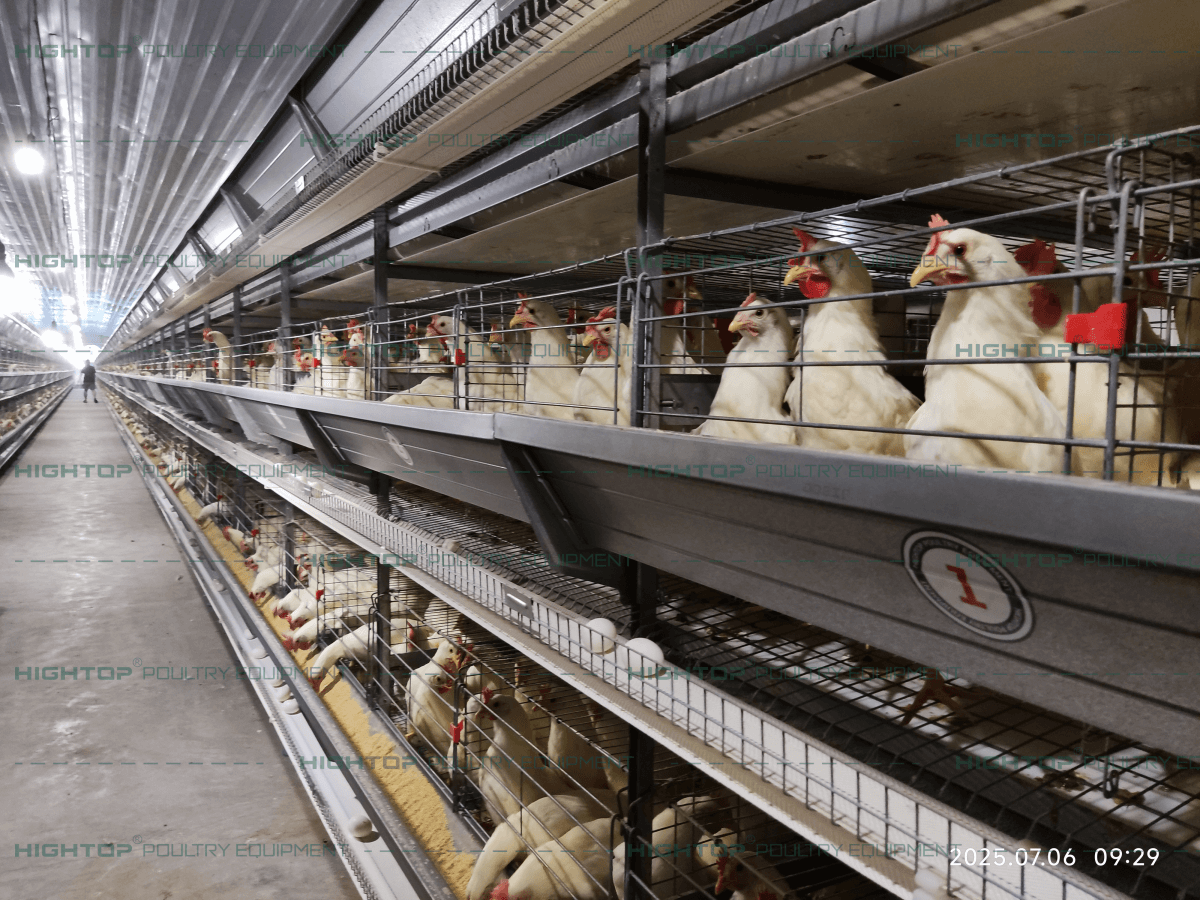
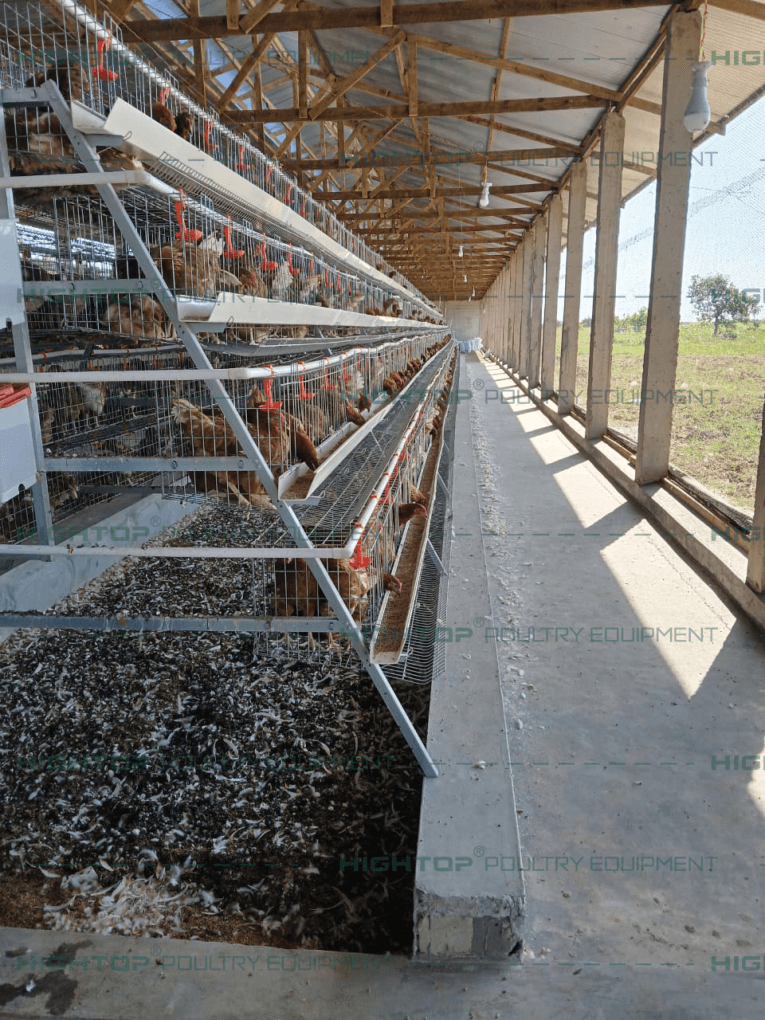
In large commercial layer farms, manure belts combined with drying systems allow continuous removal, keeping the poultry house clean and dry.
This system significantly improves:
- Hen comfort
- Egg production performance
- Worker safety
- Overall farm management efficiency
Economic Perspective: Turning Waste into Profit
Consider the scale:
- 737 tons of manure from 20,000 layers in one cycle.
- 15 tons per day from 150,000 layers.
If properly processed and sold as organic fertilizer, this volume represents a considerable business opportunity.
Granulated chicken manure fertilizer is:
- Odorless
- Easy to transport
- Highly acceptable to crop farmers
- Rich in nitrogen and organic matter
In regions with strong agricultural activity, manure processing can become a secondary revenue stream rather than a disposal burden.
Choosing the Right Strategy for Your Farm
The best manure management solution depends on:
- Farm size
- Local electricity cost
- Environmental regulations
- Labor availability
- Market demand for organic fertilizer
- Available land area
General Recommendations:
| Farm Size | Suggested Strategy |
|---|---|
| Small (under 5,000 layers) | Natural fermentation compost |
| Medium (5,000–50,000 layers) | Automatic manure removal system + fermentation tank |
| Large (50,000+ layers) | Automatic manure removal system + manure drying system + manure pellet mill |
Each farm must evaluate long-term operational costs rather than short-term savings.
Final Thoughts: From Waste Problem to Resource Management
Chicken manure is unavoidable in egg production. However, how it is handled determines whether it becomes:
- A health risk
- An environmental liability
- A financial burden
Or
- A sustainable fertilizer product
- A secondary revenue source
- A strategic farm advantage
Modern poultry farming is evolving. Today’s successful farms do not simply remove manure — they manage, process, and monetize it.
Proper chicken manure management is no longer optional. It is a core component of efficient, profitable, and sustainable egg production worldwide.