


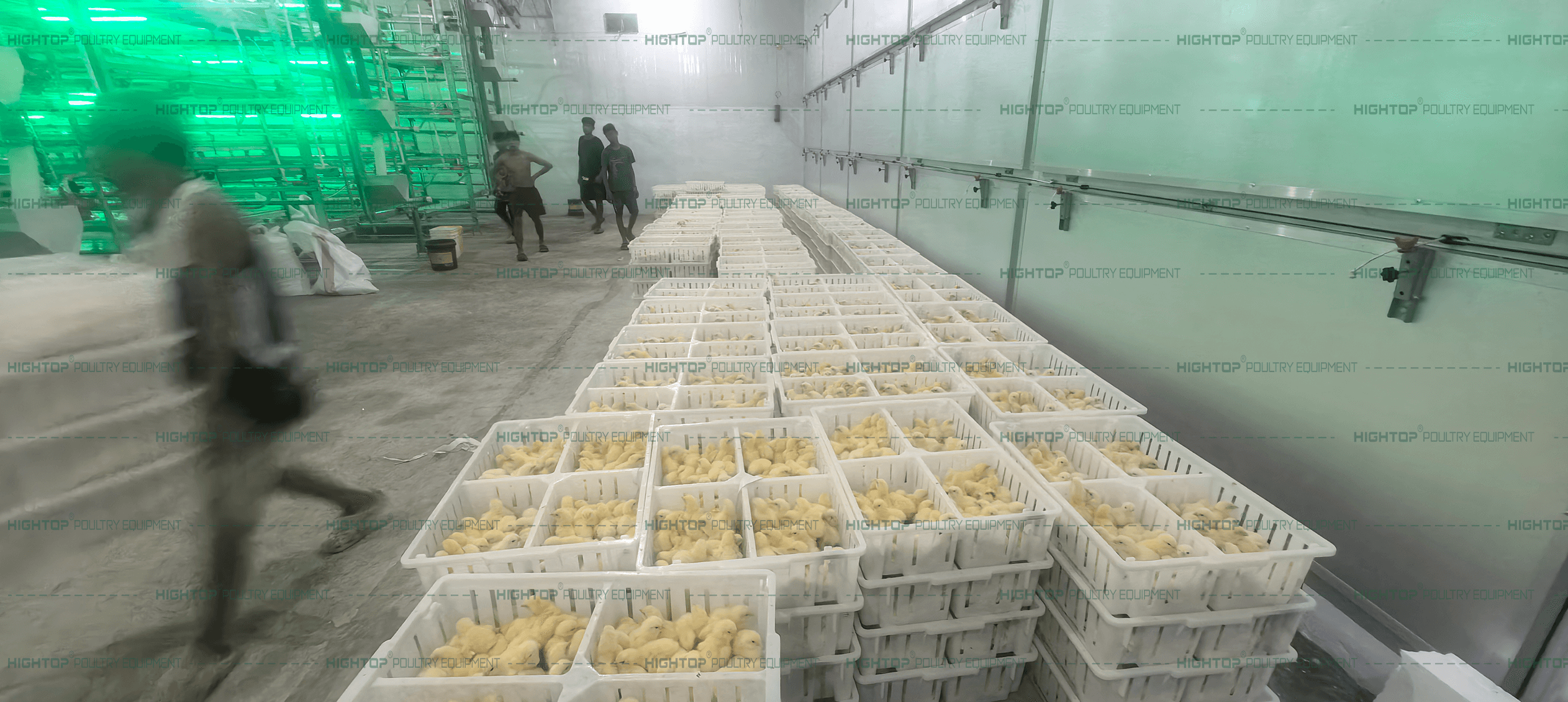
Broiler chicken farming is one of the most efficient animal protein production systems in the world. Thanks to genetic improvement and scientific feeding programs, modern broilers can reach market weight in just 42 days, making them one of the fastest-return livestock investments available.
However, rapid growth does not happen by chance. On the contrary, it is the result of carefully coordinated management practices, including stage-specific nutrition, environmental control, and performance monitoring. To understand how to maximize meat yield and feed efficiency, we must first examine the biological growth cycle of broilers and the management priorities at each stage.
1. Understanding the 42-Day Broiler Production Cycle
To begin with, it is important to understand the production target. A standard commercial broiler program aims for:
-
Market age: 42 days
-
Target weight: 2.3–2.5 kg
-
Feed conversion ratio (FCR): approximately 1.7:1
In practical terms, an FCR of 1.7:1 means that 1.7 kg of feed produces 1 kg of body weight gain. Therefore, a broiler reaching 2.5 kg will consume approximately:
2.5 × 1.7 = 4.25 kg of feed
By comparison, regular chickens require about 6 kg of feed to reach the same weight. In other words, broilers save nearly 40% of feed, which is highly significant considering that feed accounts for 60–70% of total production costs.
Thus, improving feed efficiency is not simply a technical goal—it is the foundation of profitability.
2. Early Chick Management: The Critical First Step
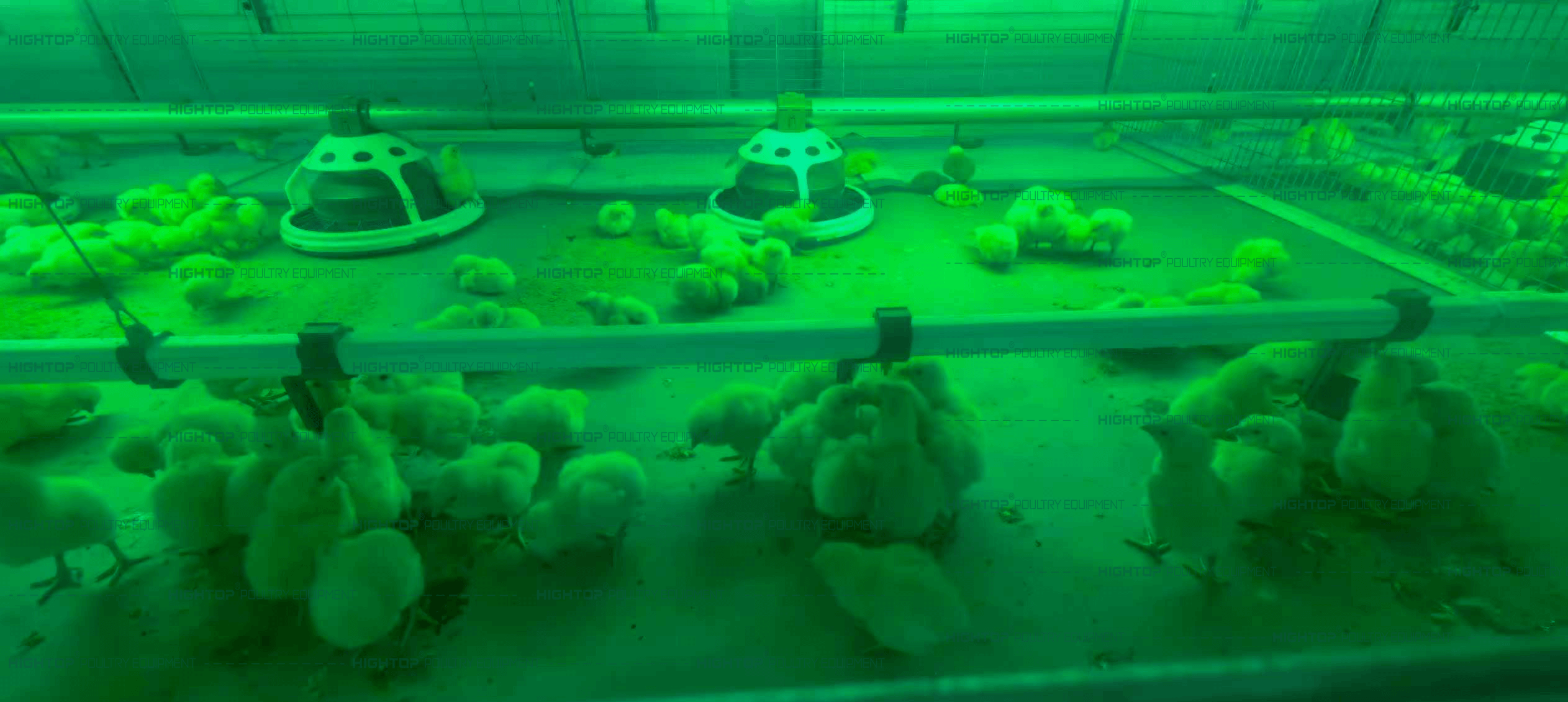
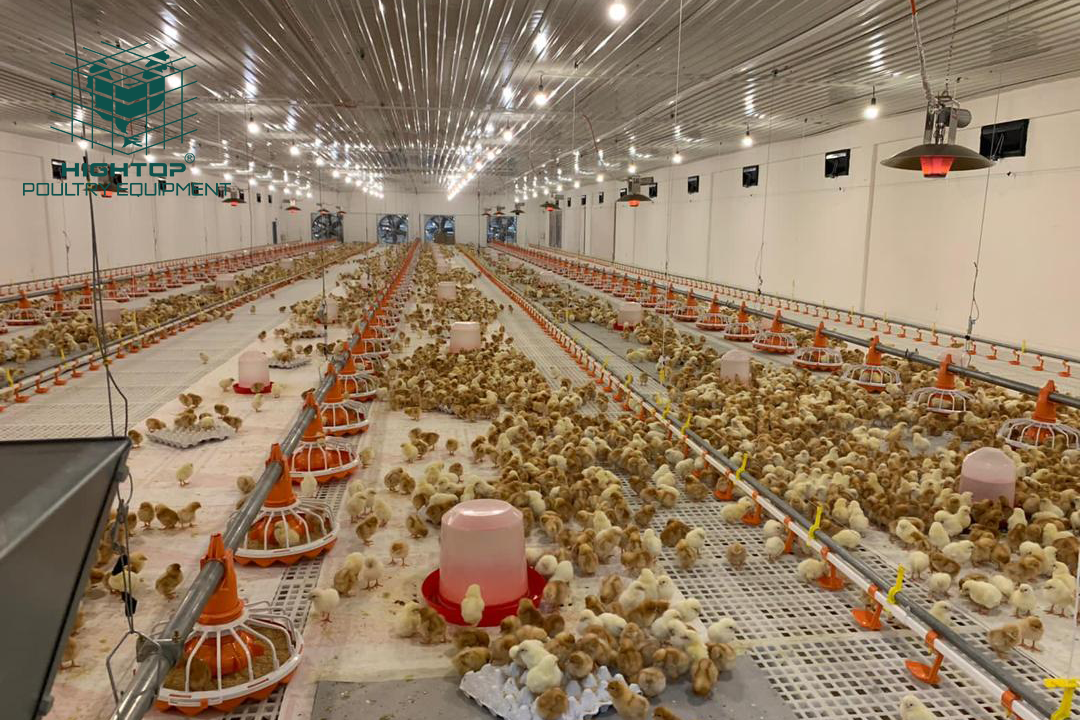
Before discussing feeding stages, it is essential to emphasize that successful broiler production begins on day one. In fact, the first week determines the final 42-day performance.
Temperature Control
Immediately after placement, chicks are unable to regulate body temperature effectively. Therefore, maintaining proper environmental temperature is critical.
-
Day-old temperature: 34°C
-
Gradual reduction over time
-
Final target temperature: approximately 20°C
If the temperature is too low, chicks divert energy toward maintaining body heat instead of growth. Conversely, if it is too high, feed intake declines and stress increases. For this reason, stable temperature management directly supports digestive development, immune function, and uniform growth.
Beak Trimming
In addition to environmental control, early physical management is equally important. One of the first procedures after chicks enter the coop is beak trimming.
This practice helps:
-
Prevent overgrowth
-
Reduce fighting and pecking
-
Minimize feed waste
-
Improve flock uniformity
Without proper trimming, long beaks can cause feeding difficulties and increased aggression, which negatively impacts performance. Therefore, early beak management contributes to better overall production stability.
3. The Three Growth Stages of Broiler Chickens
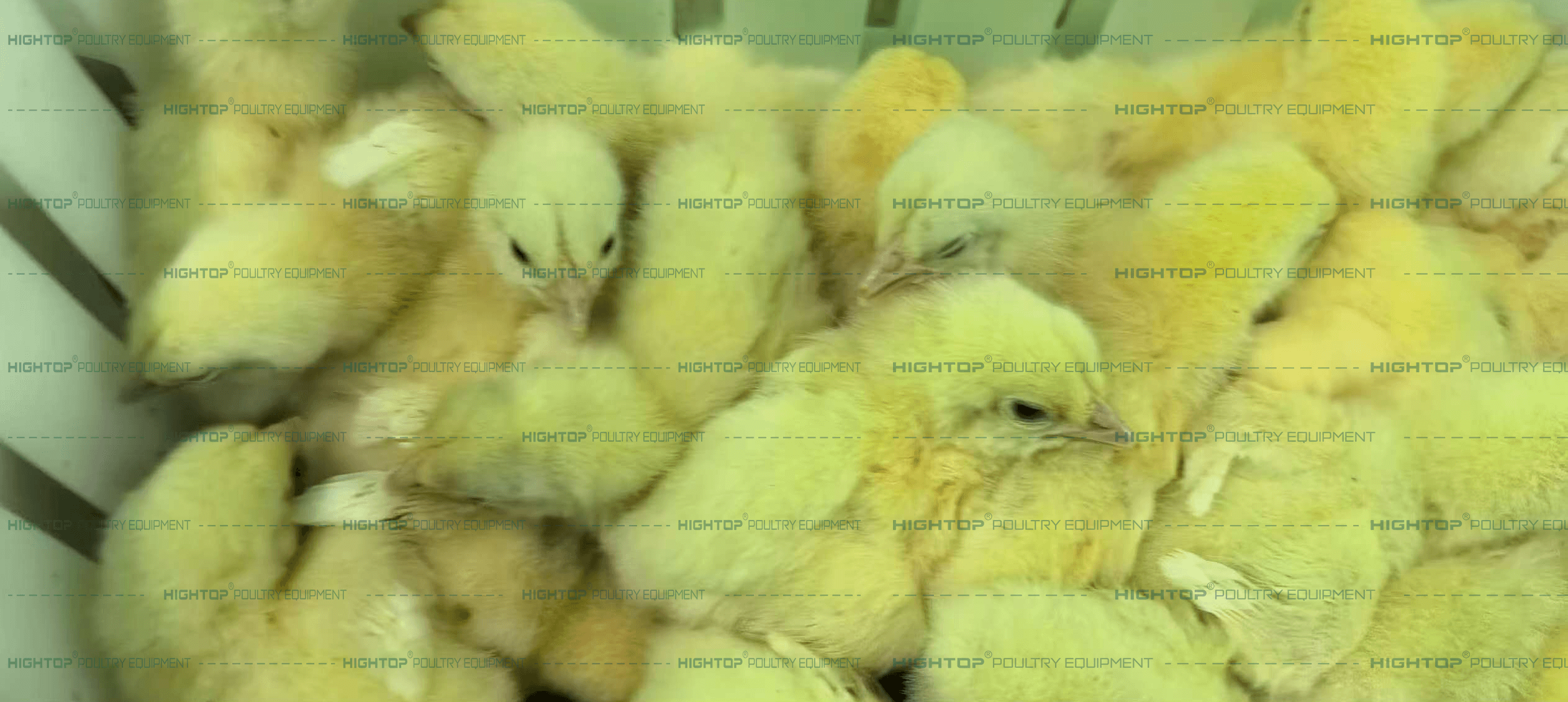
Once early management is stabilized, the next key factor is stage-specific feeding. Broiler growth can be divided into three distinct nutritional phases, each with a different biological objective.
Stage 1: 1–7 Days (Starter Phase)
Focus: Internal Organ Development
During the first week, the digestive tract, liver, immune system, and other internal organs develop rapidly. Consequently, nutrition at this stage lays the foundation for the entire production cycle.
At this point, chicks require:
-
High energy
-
High protein
-
Excellent digestibility
-
Fine feed texture
Because chicks are small and inexperienced eaters, feed should be finely ground and granulated. This improves intake and absorption.
Main Ingredients
The three primary staple ingredients are:
-
Corn
-
Soybean meal
-
Corn gluten meal
Corn supplies energy, while soybean meal provides essential amino acids. Corn gluten meal further enhances protein concentration.
Additionally, multivitamins and trace elements are essential. These nutrients support cell integrity, antibody formation, and immune system development.
In summary, the first week focuses on building internal capacity rather than external muscle.
Stage 2: 8–19 Days (Grower Phase)
Focus: Bone and Structural Development
After internal organs are established, growth shifts toward skeletal development. At this stage, the bird’s bone framework must strengthen to support future muscle accumulation.
Therefore, the feeding strategy changes accordingly.
Nutritional Adjustments
-
Increase calcium-to-phosphorus ratio
-
Maintain balanced protein levels
-
Support muscle and bone growth
Dicalcium phosphate and limestone powder are key mineral supplements during this phase. Adequate calcium and phosphorus reduce leg problems and improve structural stability.
For example, by 18 days of age:
-
Feed intake: 80 g per day
-
Weight gain: 70 g per day
This demonstrates highly efficient nutrient utilization during the grower phase.
Stage 3: After 20 Days (Finisher Phase)
Focus: Rapid Meat Deposition
Once bone development stabilizes, the production objective shifts again—this time toward rapid muscle growth and meat quality improvement.
At this point, birds consume significantly more feed, and the diet must become more energy-dense.
Nutritional Strategy
-
High-energy feed formulation
-
Increased soybean oil (vegetable oil)
-
Addition of compound enzyme preparations
Vegetable oil raises caloric density and improves palatability. Meanwhile, enzymes enhance nutrient digestion and protein utilization.
By 37 days of age:
-
Feed intake: 170 g per day
-
Weight gain: 110 g per day
This is the fastest growth period, during which meat yield increases substantially.
4. Feed Conversion Ratio: The Core Performance Indicator
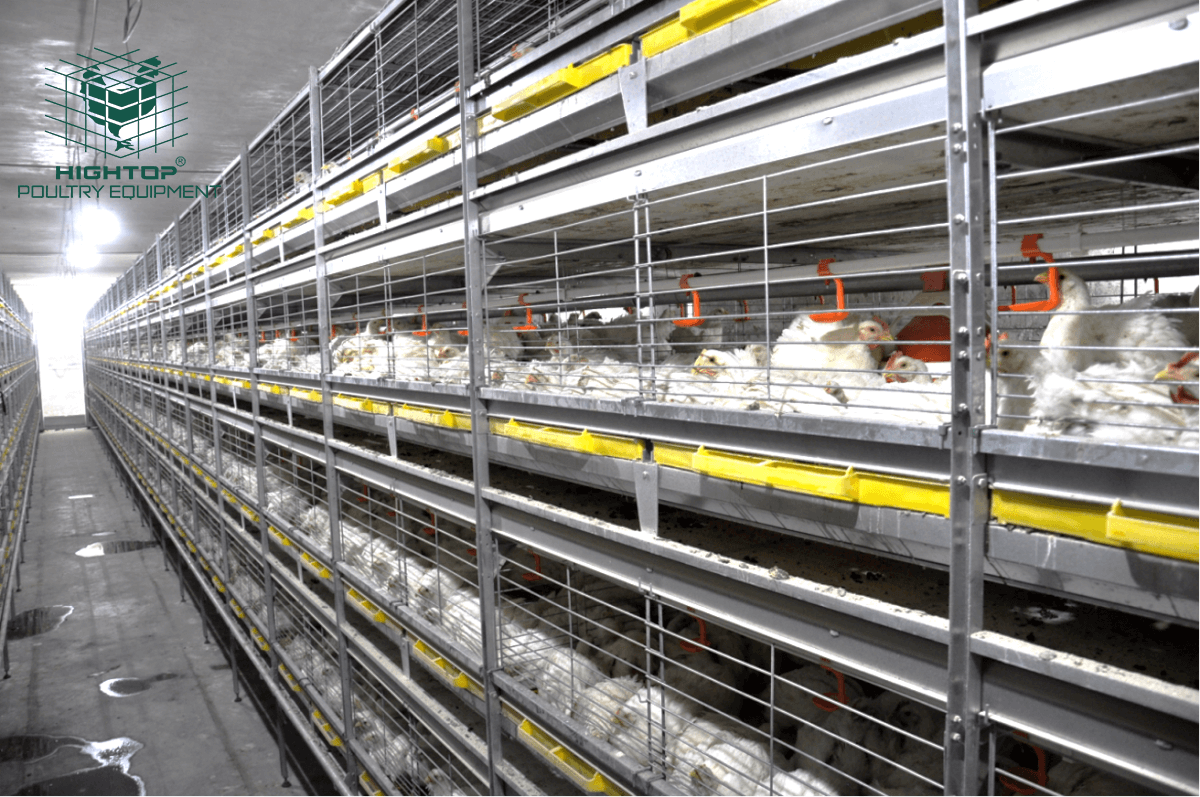
Throughout all stages, one metric remains central: feed conversion ratio (FCR).
As mentioned earlier, the average FCR for broilers is approximately 1.7:1. In other words:
1.7 kg feed → 1 kg body weight gain
Therefore, a 2.5 kg broiler requires roughly 4.25 kg of feed. When compared to traditional chickens requiring 6 kg of feed, the economic advantage becomes clear.
Even minor improvements in FCR can significantly increase farm profit, especially in large-scale production.
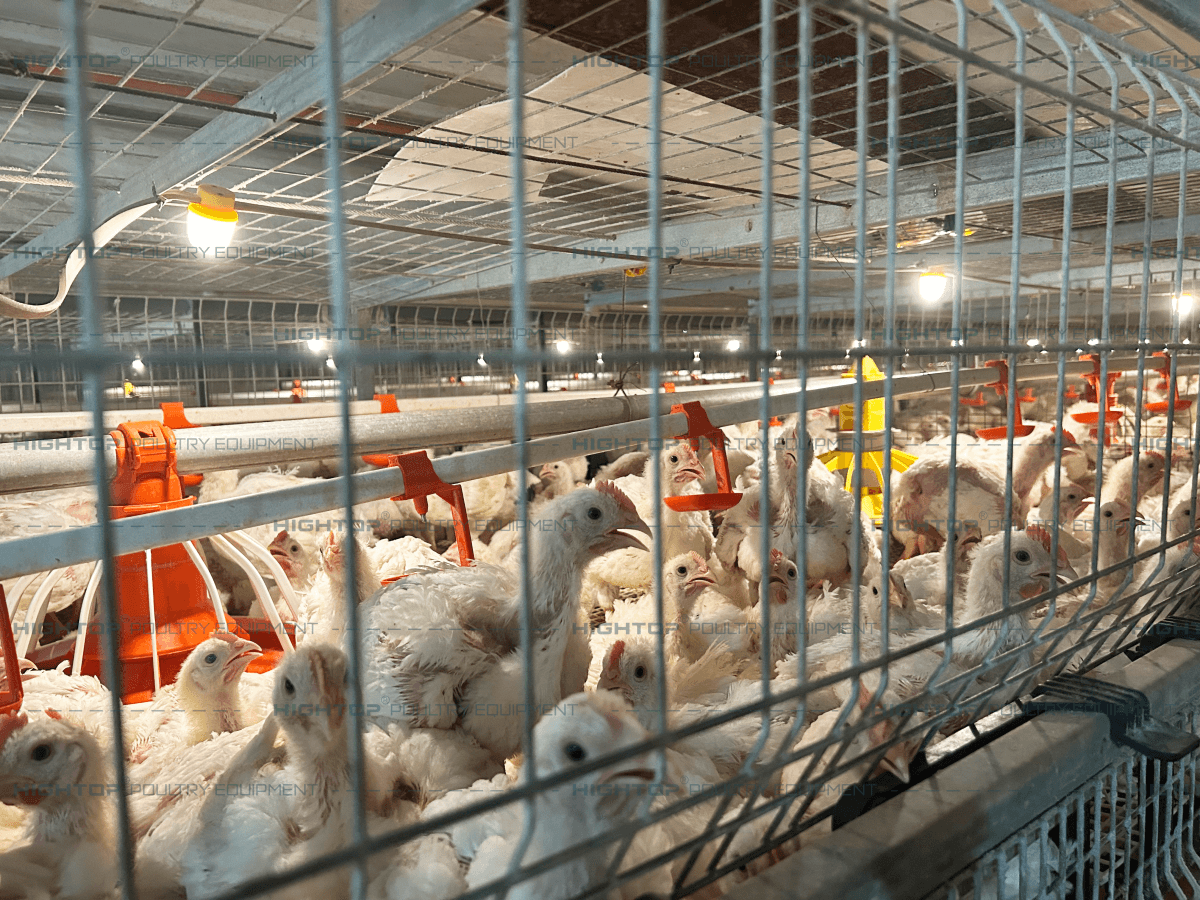
5. Why Broilers Grow So Efficiently
At this point, it is worth asking: why can broilers grow so quickly?
The answer lies in several coordinated factors:
-
Genetic selection for fast growth
-
Stage-specific nutritional formulation
-
Balanced mineral ratios
-
High-energy finisher diets
-
Proper temperature control
-
Fine feed particle management
-
Effective early chick handling
When these elements work together, broilers convert feed into muscle tissue with remarkable efficiency.
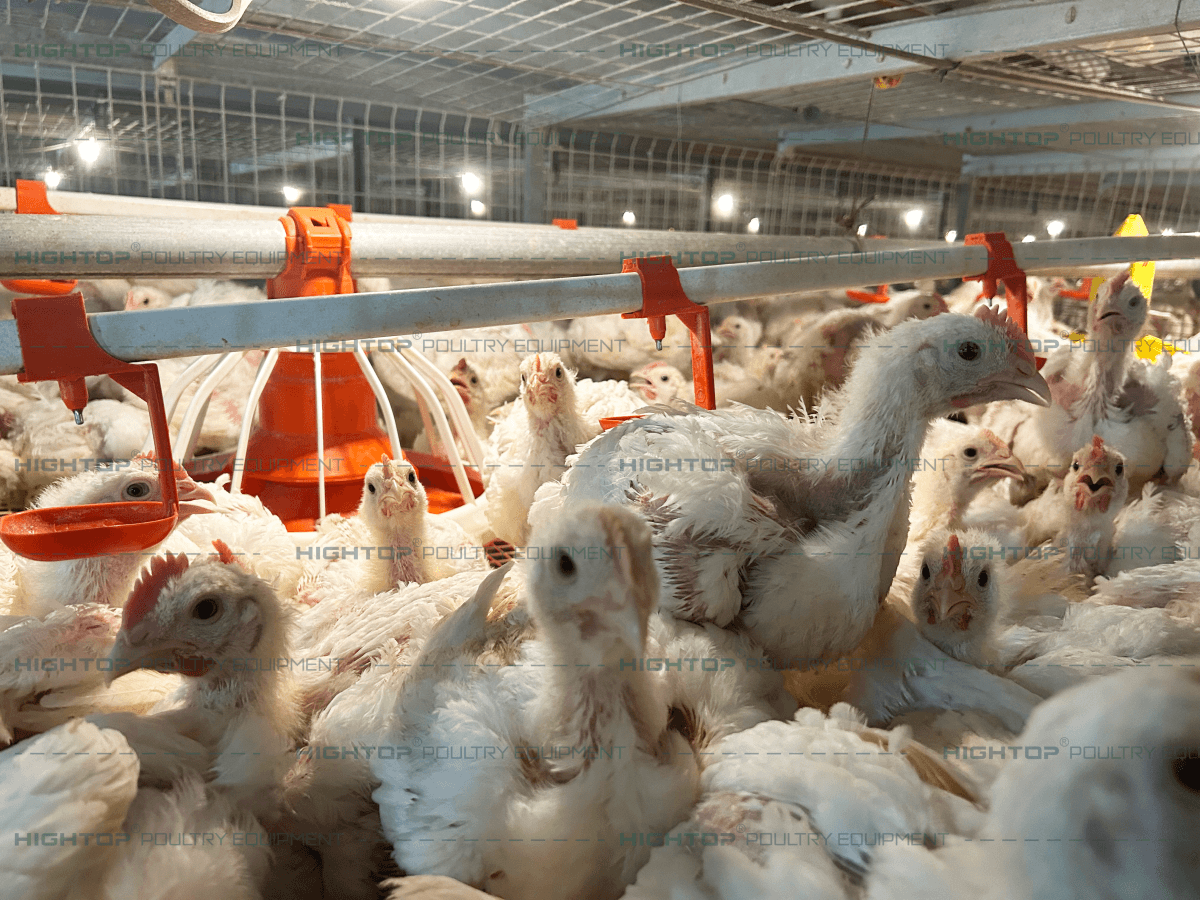
6. Final Conclusion: Integrating Management for Maximum Yield
In conclusion, successful broiler production is not simply about feeding more—it is about feeding correctly at the right time under the right conditions.
From day-one temperature management to stage-specific mineral adjustments and energy optimization in the finisher phase, each step plays a defined role in achieving:
-
42-day market readiness
-
2.3–2.5 kg target weight
-
FCR of approximately 1.7:1
-
Reduced feed costs
-
Improved profitability
Ultimately, broiler farming is a system of precision management. When nutrition, environment, and biological growth patterns are aligned, producers can consistently achieve high meat yield while maintaining cost efficiency.
By understanding the logic behind each growth stage—and applying it systematically—farmers can transform broiler production into a predictable, scalable, and highly profitable operation.


Leave A Comment