
How to Maintain Stable Egg Production in High Summer Temperatures and Low Winter Temperatures
Suitable for commercial layer farmers worldwide, this article provides practical, easy-to-implement solutions to maintain stable egg production regardless of extreme weather.
1. Core Logic for Stable Egg Production in High Summer Temperatures
In high temperatures, layers are most prone to three problems: reduced feed intake, severe stress, rapid breathing, which further lead to decreased egg production, egg drop, and increased soft-shell eggs.
-
Temperature Control and Cooling
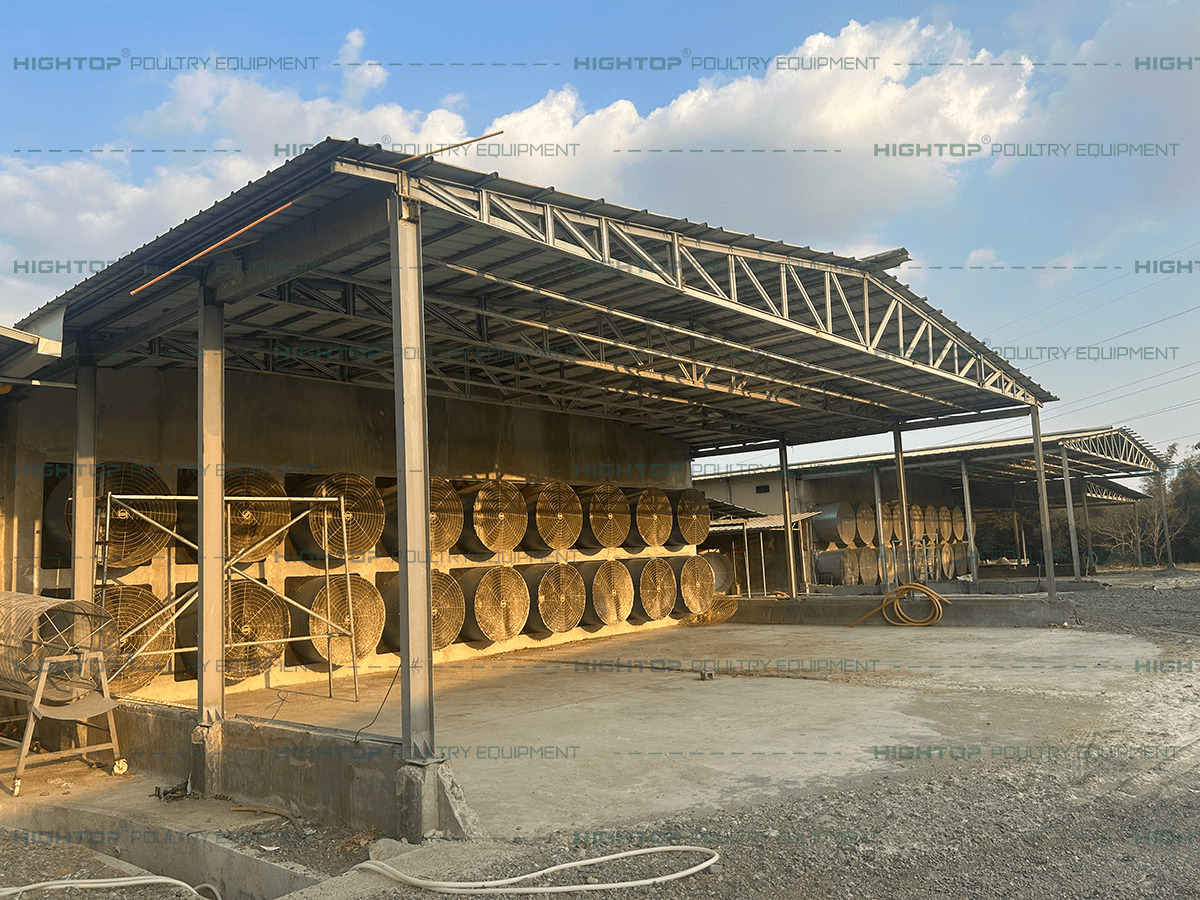
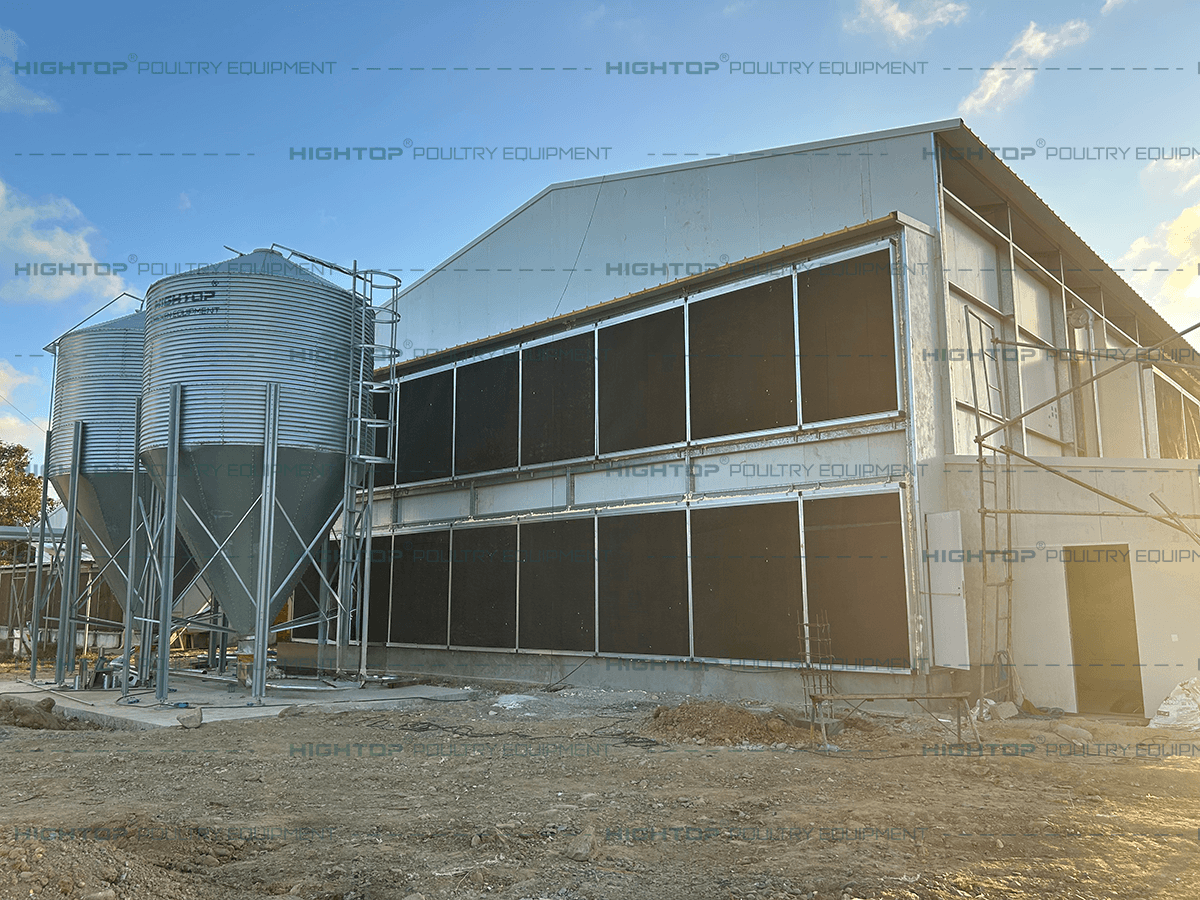
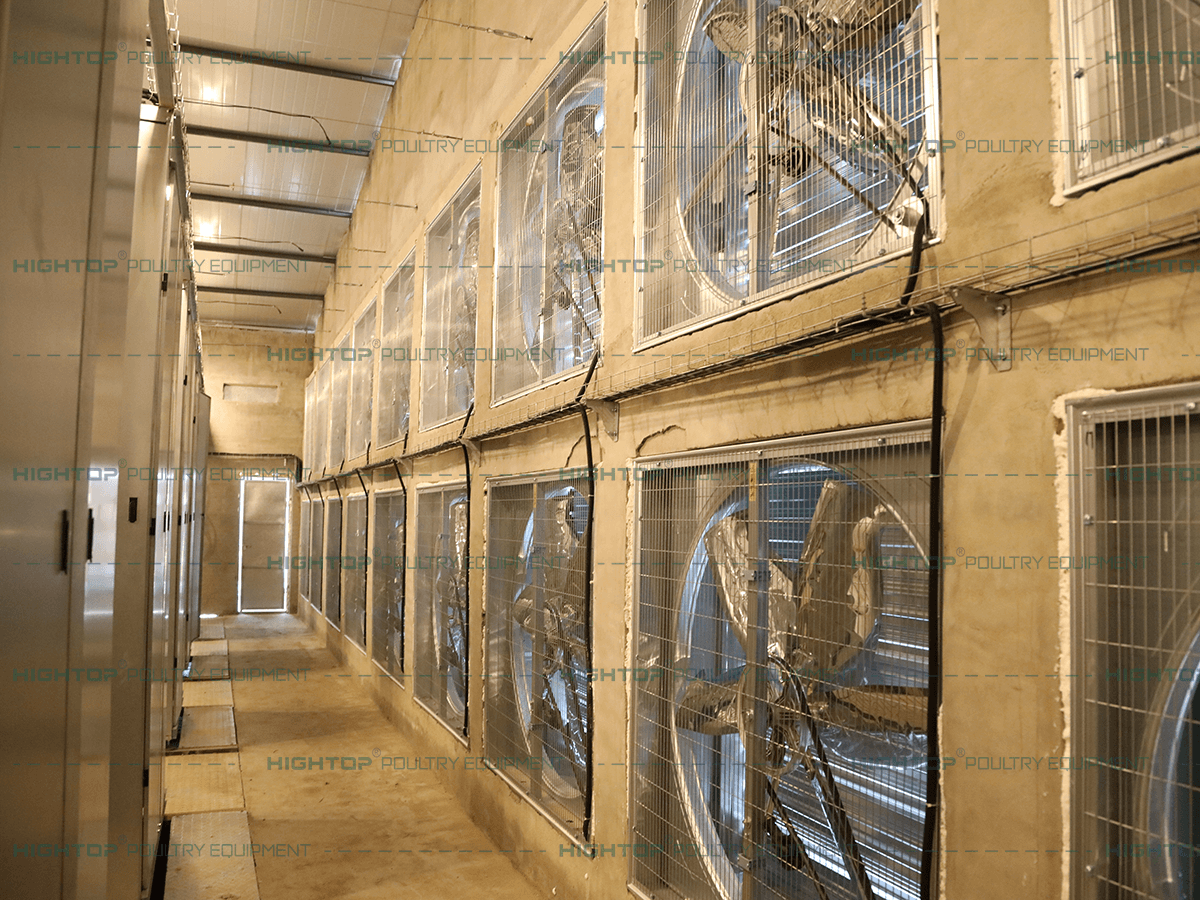
Ensure good ventilation and air circulation in the chicken house. Equip with negative pressure fans and wet curtains to quickly lower the indoor temperature.
Add thermal insulation and sunshade to the roof to avoid direct sunlight and excessive heating.
Eliminate stuffy, windless environments in the chicken house, which can easily cause heat stress in layers.
-
Stable Drinking Water Supply
Provide cool, clean, and sufficient drinking water throughout the day. Layers rely on drinking water to dissipate heat in high temperatures.
Ensure the water line is unclogged and free of water leakage, and the water temperature is not too high. A lack of water will immediately lead to a drop in egg production.
-
Adjust Feeding Time
Avoid feeding during the hottest period at noon; instead, feed in the early morning, evening, or night when it is cool.
High temperatures will reduce the feed intake of layers. Feeding during cool periods ensures they get enough nutrition to prevent egg production from declining.
-
Stable Lighting and Reasonable Stocking Density
Keep the lighting duration fixed and do not change it randomly.
Do not overstock the cages; reduce crowding to avoid poor heat dissipation in the flock.
-
Equipment Advantages
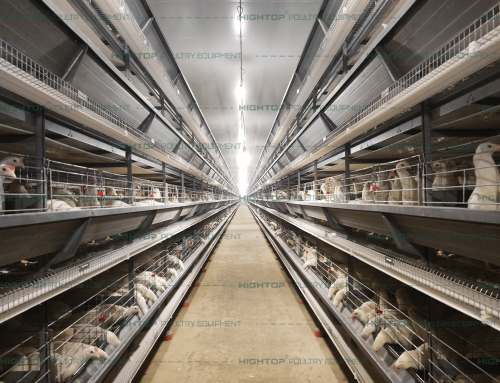
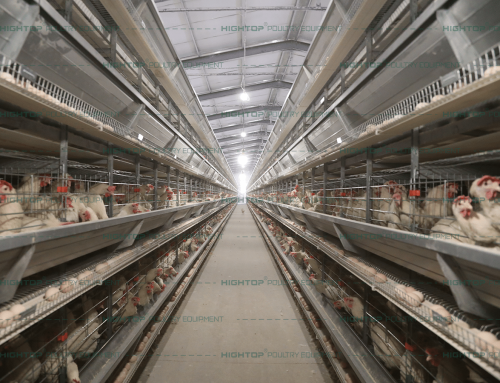
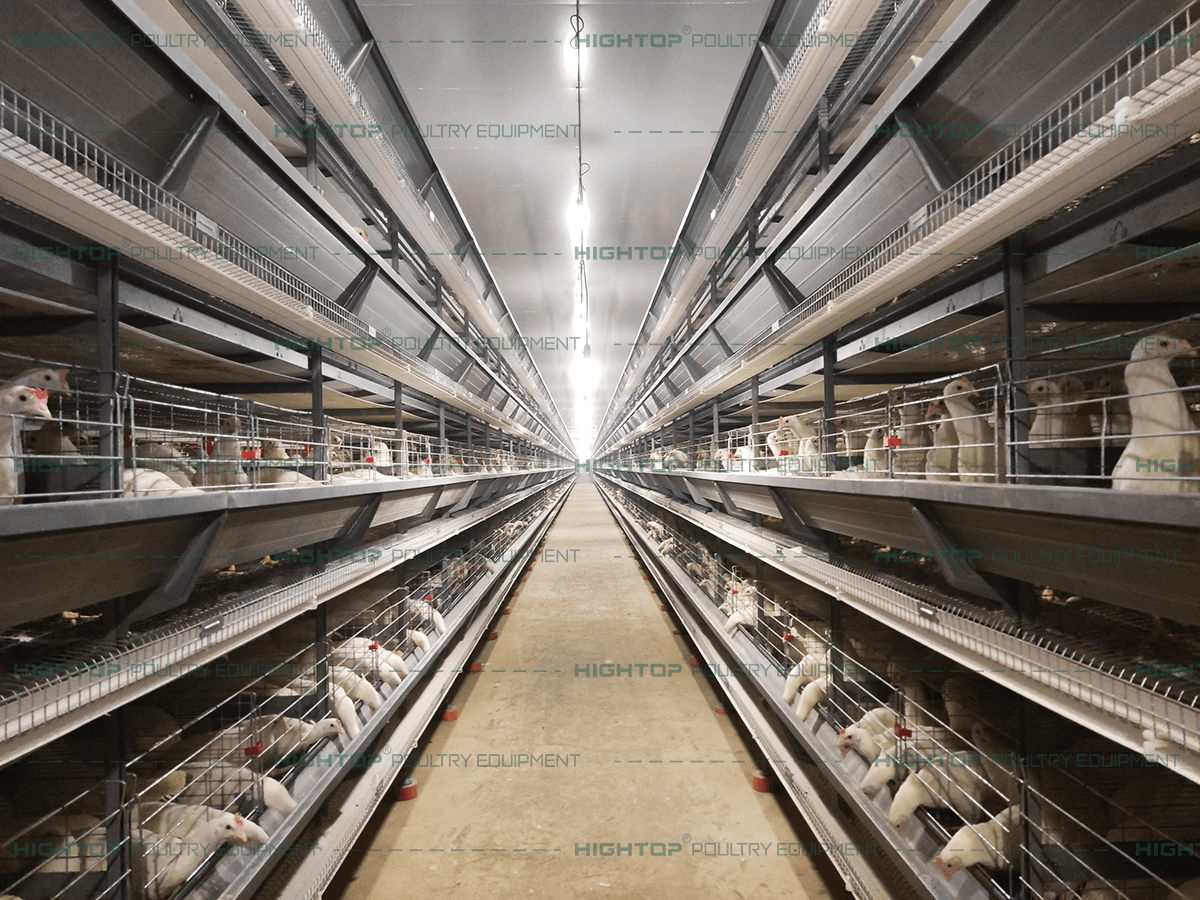
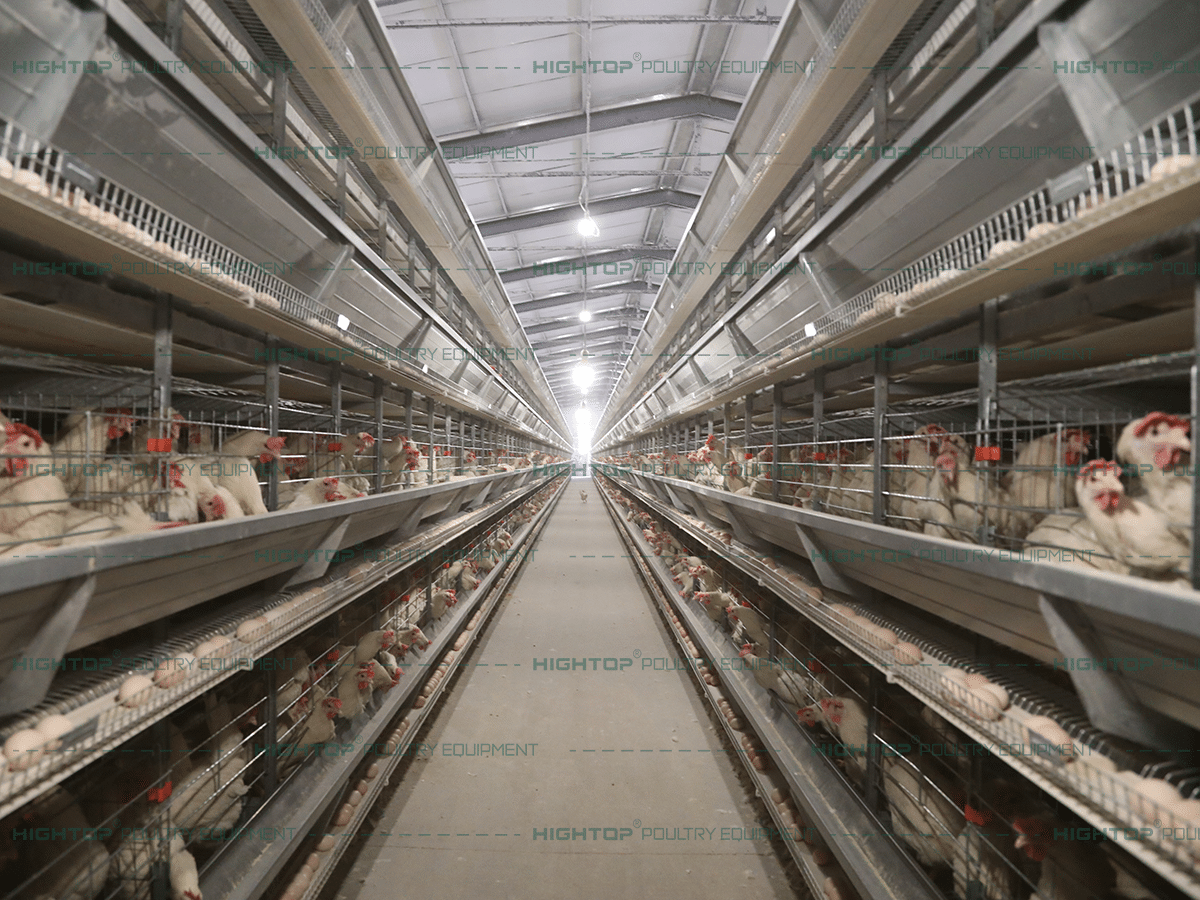
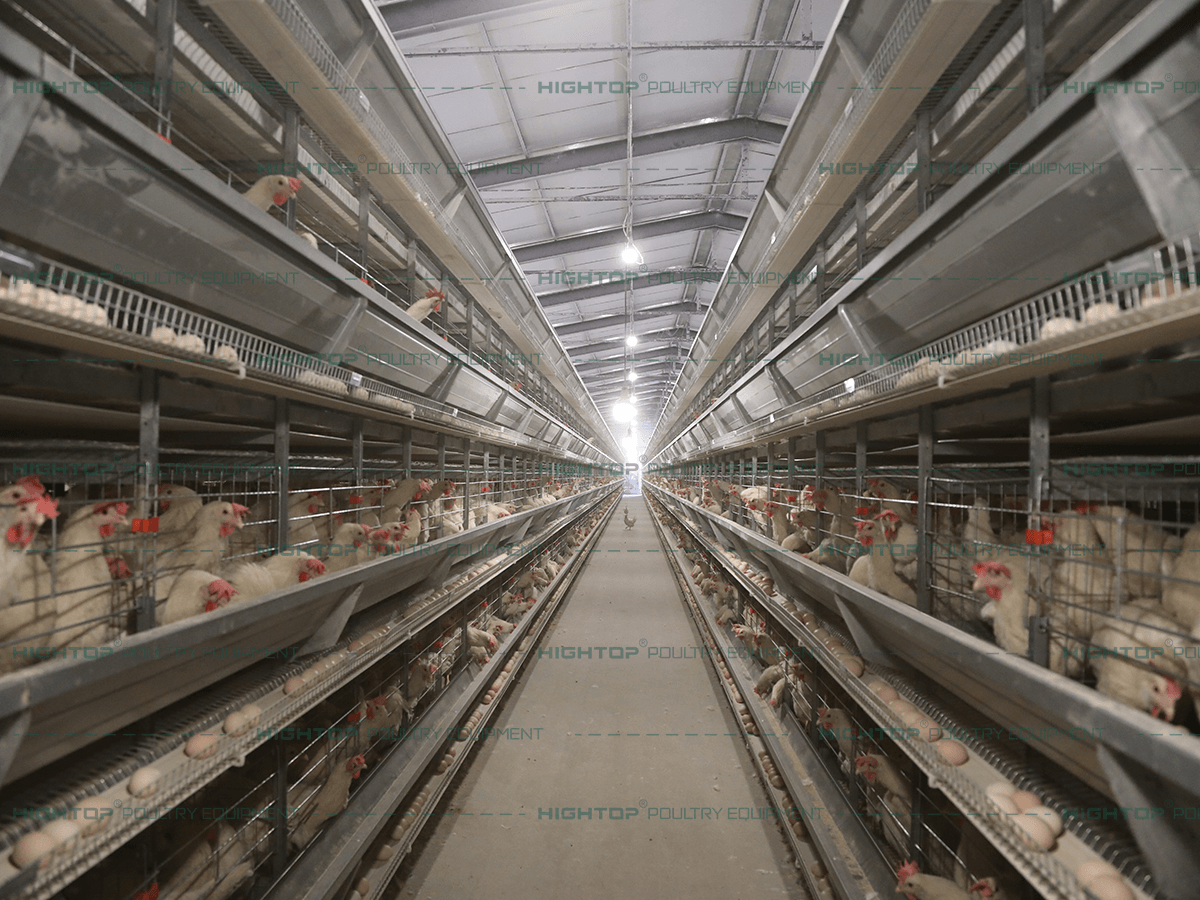
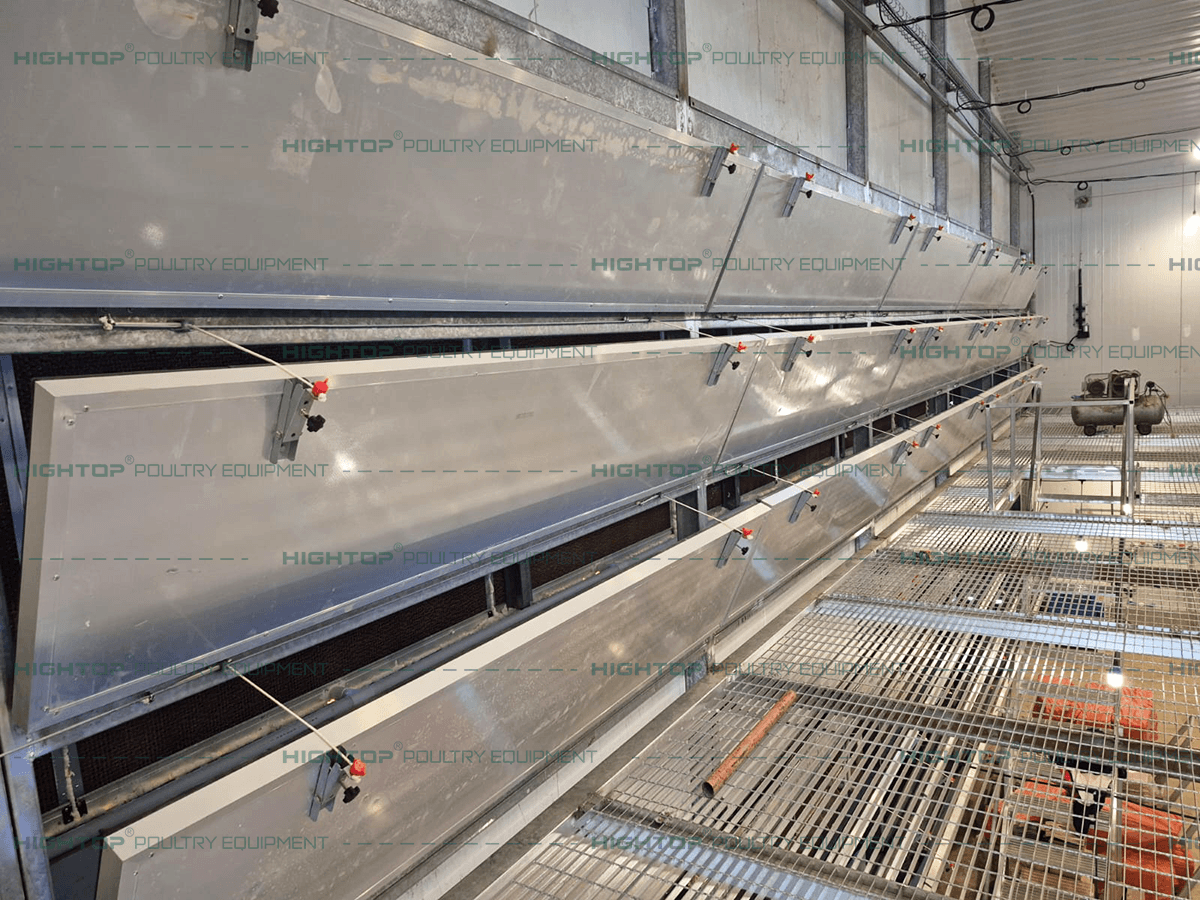
Automated cage system paired with a scientifically designed ventilation system ensures uniform temperature distribution, efficient heat dissipation, and consistently low ammonia levels throughout the chicken house—key factors in maintaining layer health and stable egg production. Our ventilation system integrates high-efficiency negative pressure fans and precision cooling pad, which work synergistically to draw in fresh outdoor air while expelling hot, stale air from the house.
By optimizing air circulation around the automated cages, the system minimizes heat stress on layers, reduces their metabolic burden, and ensures consistent nutrient absorption, allowing them to maintain stable egg production, fewer soft-shell eggs caused by stress-induced calcium deficiency, and fewer broken eggs resulting from weakened eggshell quality even in the hottest summer months.
2. Core Logic for Stable Egg Production in Low Winter Temperatures
In low temperatures, layers are most prone to: low temperature, direct cold wind, poor ventilation, high ammonia levels, insufficient lighting, high energy consumption, which lead to decreased egg production.
-
Heat Preservation and Sealing
Seal the doors, windows, and gaps of the chicken house to prevent direct cold wind from blowing on the flock.
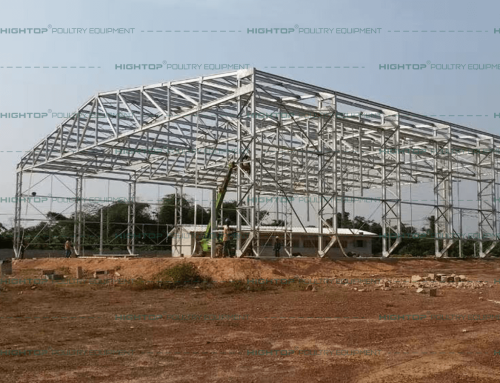
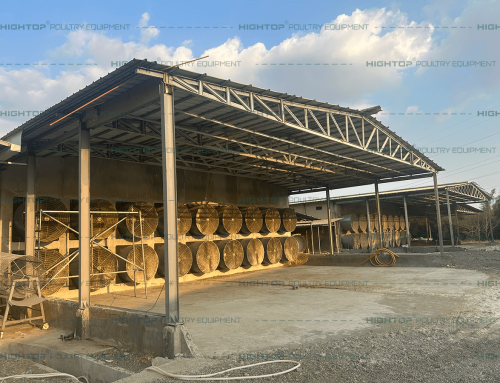
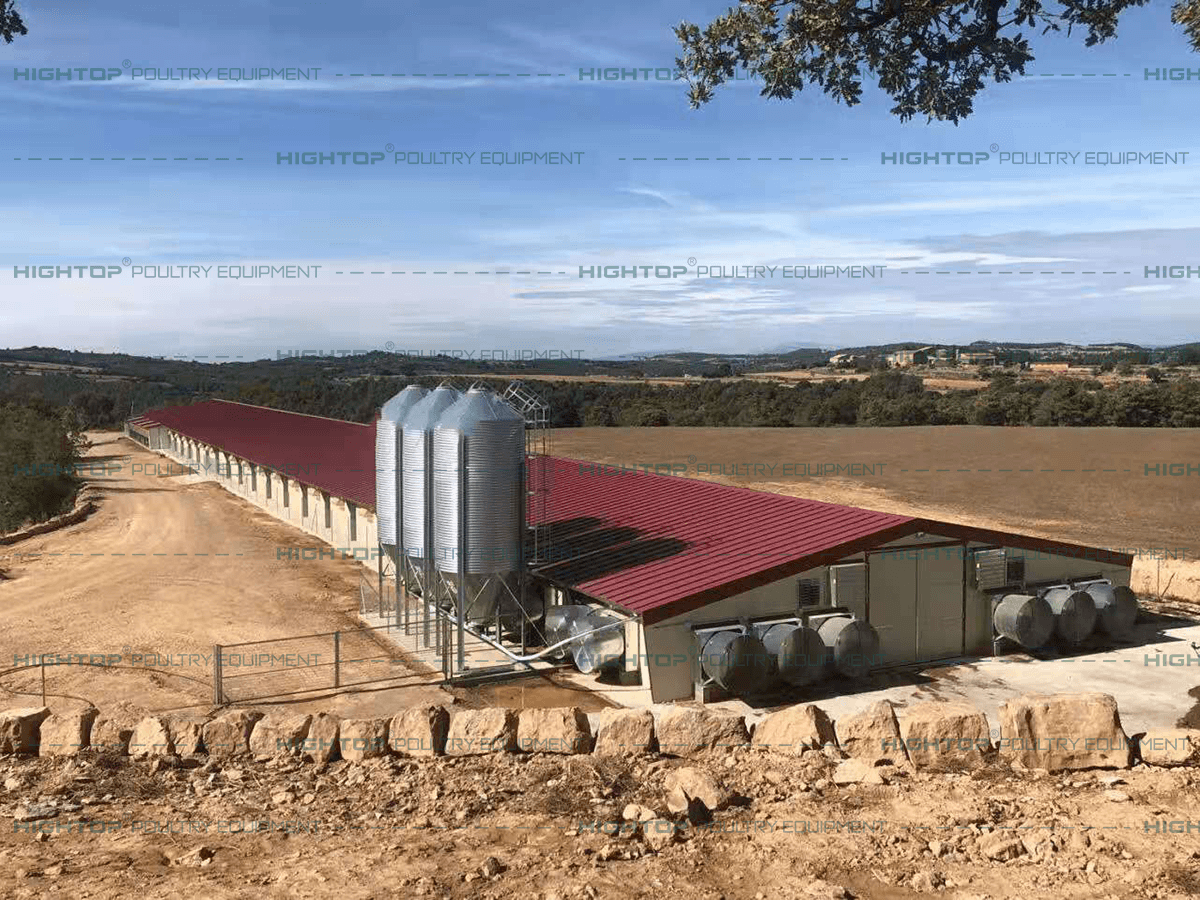
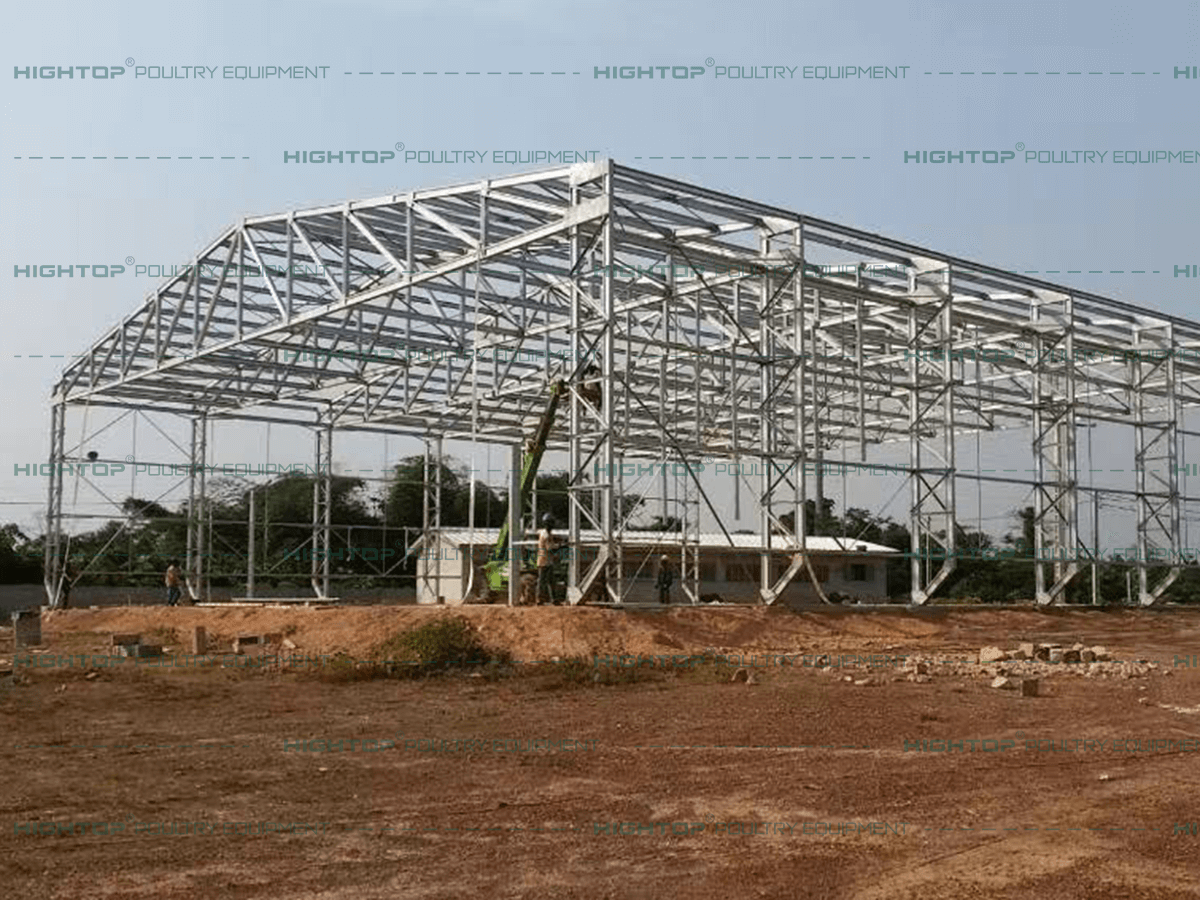
Steel-structured insulated chicken houses have good thermal insulation, keeping warm in winter and cool in summer, making temperature control easier. We can provide the prefab house design based on the local weather situation, such as the highest and lowest temperatures, the biggest wind speed, and then choose different types of insulation materials.
-
Heat Preservation Without Stuffiness — Reasonable Ventilation is a Must
A common mistake among many farmers: closing all doors and windows in winter only for heat preservation → leading to excessive ammonia levels, more respiratory diseases, egg drop, and increased mortality.
Correct approach: Low air volume, long duration, and slow ventilation. This can discharge moisture and ammonia, supplement oxygen, without freezing the layers.
We can equip a proper number of inlet windows on both sides of the house. When it’s cold, we can stop the fans and have fresh air through the inlet windows, but we will not let the chickens get cold.
-
Supplementary Lighting to Stabilize Egg Production
In winter, days are short and nights are long, resulting in insufficient natural light. Artificial supplementary lighting is necessary at fixed times to keep the lighting duration stable, avoid endocrine disorders, and maintain stable egg production.
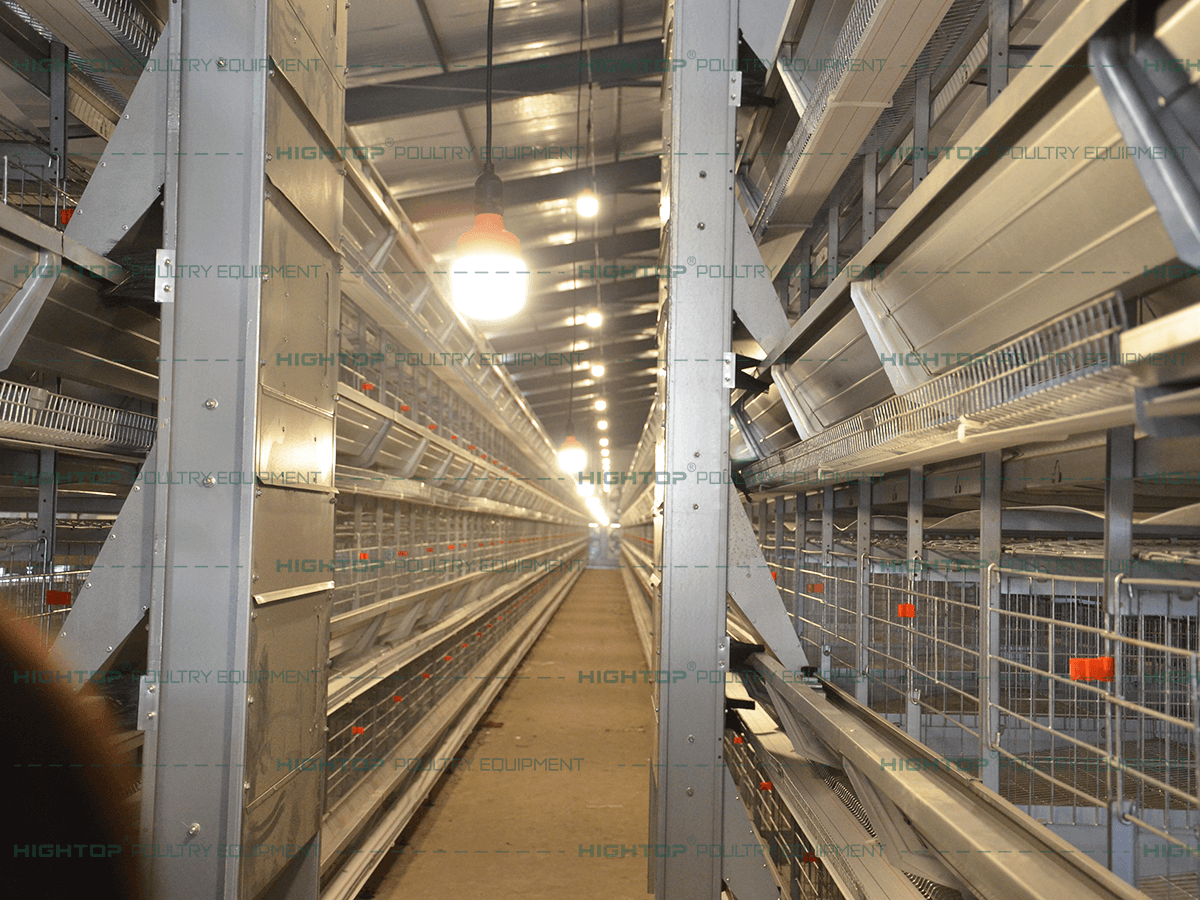
We can provide the special lights especially for chickens, no flicker, chickens will feel comfortable with these lights, it’s also waterproof and fire-resistant, keep your farm safe.
-
Ensure Nutrition and Heat Supply
Layers consume more energy to keep warm in low temperatures. Appropriately ensure sufficient feed nutrition to avoid decreased egg production, molting, or cessation of laying due to insufficient energy.
-
Keep the Chicken House Dry
The chicken house is prone to dampness in winter, and dampness is more harmful to layers than low temperatures. Do a good job in manure cleaning and ventilation to control humidity, so that the chicken house is dry, reducing diseases and ensuring stable egg production.
3. Summary
Summer: Cool down, ventilate, provide cool water, and feed at off-peak times to reduce heat stress.
Winter: Keep warm, prevent cold wind, ventilate reasonably, and provide regular supplementary lighting to maintain physical condition and egg production.
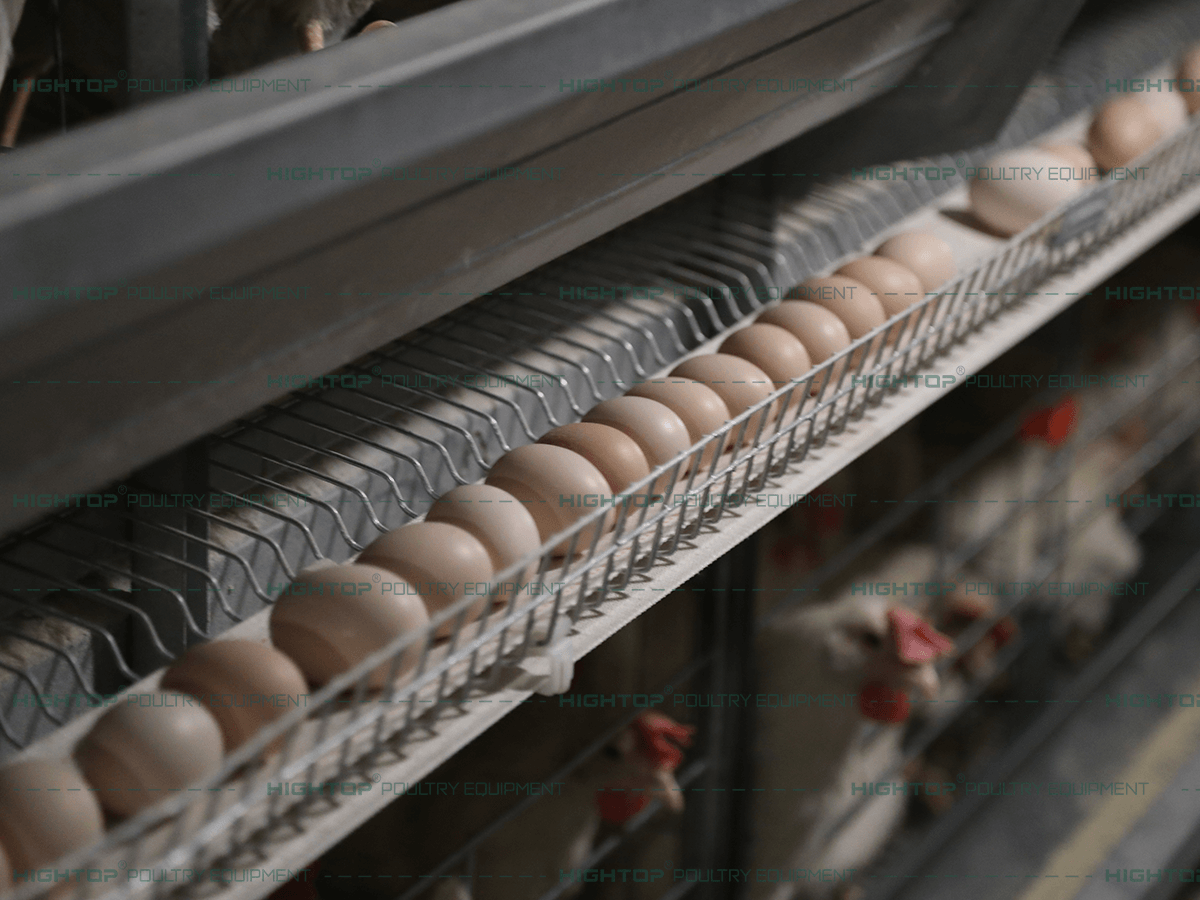
Modern standardized chicken houses with automated cage equipment can automatically balance temperature, humidity, ventilation, and lighting. Whether in severe cold or extreme heat, layers can maintain stable egg production year-round, with low mortality, fewer soft-shell eggs and broken eggs.
We specialize in providing one-stop customized poultry farm solutions, covering all aspects you need to build a high-efficiency, standardized and sustainable poultry farm. No matter the scale of your farm or specific breeding needs, our professional team will tailor a exclusive plan for you, eliminating all worries in the farm construction process.
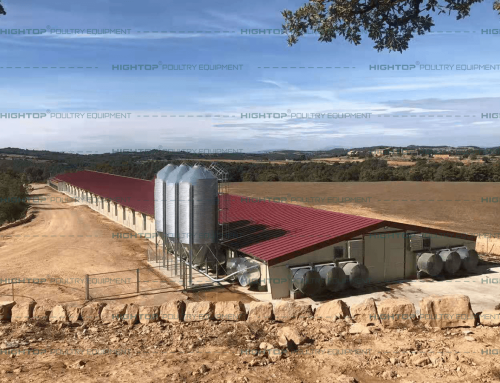
Our customized services include but are not limited to chicken cage layout design, ventilation system planning, and overall farm layout. For chicken cage layout, we combine the number of breeding, breed characteristics and farm area to design a reasonable layout that maximizes space utilization, ensures comfortable activity space for poultry, and facilitates daily feeding and management. In terms of ventilation solutions, we adopt scientific design to match appropriate ventilation equipment, effectively regulate indoor temperature, humidity and air quality, reduce the occurrence of diseases, and create a healthy living environment for poultry.
In addition, we provide full-site planning services, including the layout of breeding areas, feeding areas, manure treatment areas, auxiliary facilities and other functional zones, as well as the design of water supply and drainage, power supply systems. We take into account practicality, efficiency and cost-effectiveness, integrate all links of farm construction, and provide you with a comprehensive, systematic and operable customized plan.
Let us work together to build a high-quality poultry farm that meets your expectations.