
Feed costs account for more than 60% of total production expenses on most commercial poultry farms, making the Feed Conversion Ratio (FCR) one of the most important indicators of farm profitability. Under traditional feeding methods, feed waste, uneven feed intake, and feed contamination not only increase production costs but also reduce flock uniformity and overall health.
A professional automatic poultry feeding system is designed to eliminate these problems by delivering feed accurately, reducing waste, protecting feed quality, and improving flock performance.
I. Traditional Feeding Methods: Why Is Feed Conversion Ratio Difficult to Improve?
Manual feeding or outdated feeding equipment creates several major challenges that directly reduce farm profitability.
1. High Feed Waste
Uneven manual feeding, birds scratching feed out of the trough, and poorly designed feeding equipment can result in 10%–20% feed waste, significantly increasing production costs.
2. Uneven Feed Intake Causes Poor Flock Uniformity
Weak birds cannot compete with stronger birds for feed, while dominant birds consume excessive amounts. This creates inconsistent body weights throughout the flock, resulting in uneven growth, inconsistent slaughter times, and reduced production efficiency.
3. Feed Contamination and Mold Growth
Open feed troughs are continuously exposed to the humid, dusty, and high-ammonia environment inside poultry houses. Moisture absorption, mold growth, and bacterial contamination reduce feed quality and negatively affect intestinal health, lowering nutrient absorption and feed efficiency.
4. Inconsistent Feeding Schedule
Manual feeding cannot maintain consistent feeding times or accurately adjust feed quantities according to different growth stages. As a result, birds often receive either excessive or insufficient nutrition.
These issues eventually create a vicious cycle:
Feed Waste → Lower Feed Efficiency → Increased Disease Risk → Higher Production Costs
II. Professional Poultry Feeding Systems Improve Feed Conversion from Every Detail
A modern poultry feeding system is much more than an automatic feeding machine. It provides complete management of feed transportation, distribution, feeding accuracy, and feed protection, helping maximize every kilogram of feed.
1. Precise Feed Distribution Ensures Every Bird Receives Equal Nutrition
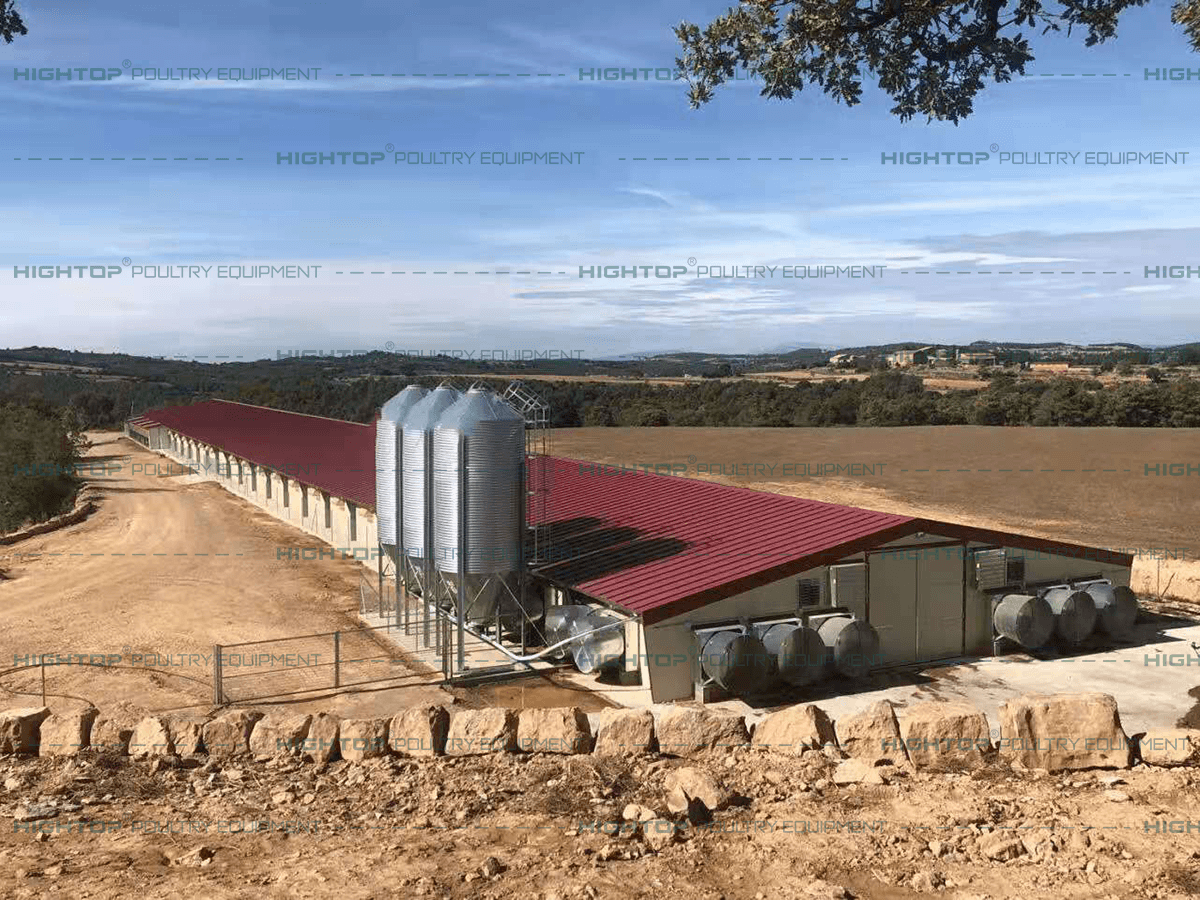
Our fully enclosed feeding system transports feed directly from the feed silo to every feeding trough, preventing feed loss during transportation.
The system automatically adjusts feeding quantity, feeding time, and feeding frequency according to flock size, bird age, and poultry house layout.
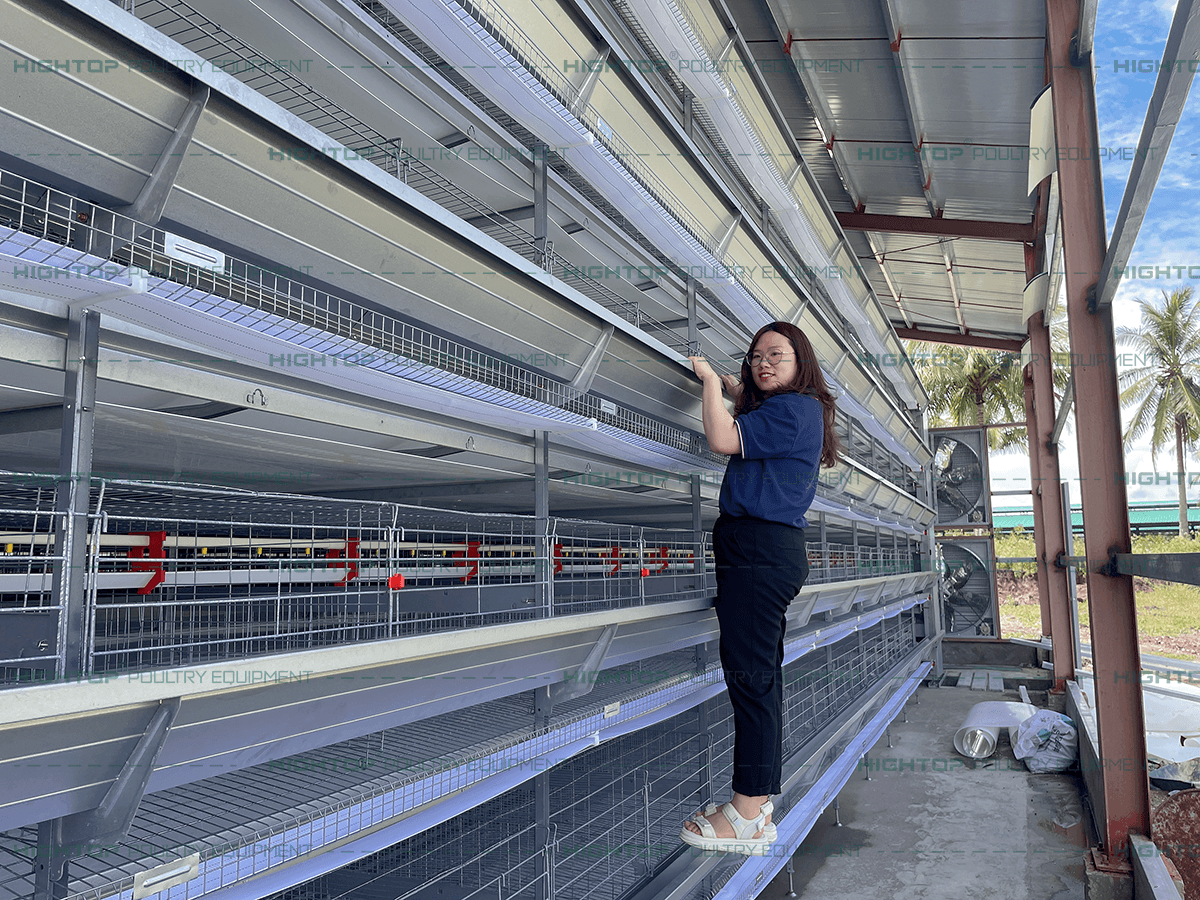
The V-shaped feeding trough features an anti-feed-waste design and is manufactured from 5 mm thick pure PVC or metal, providing excellent strength and durability.
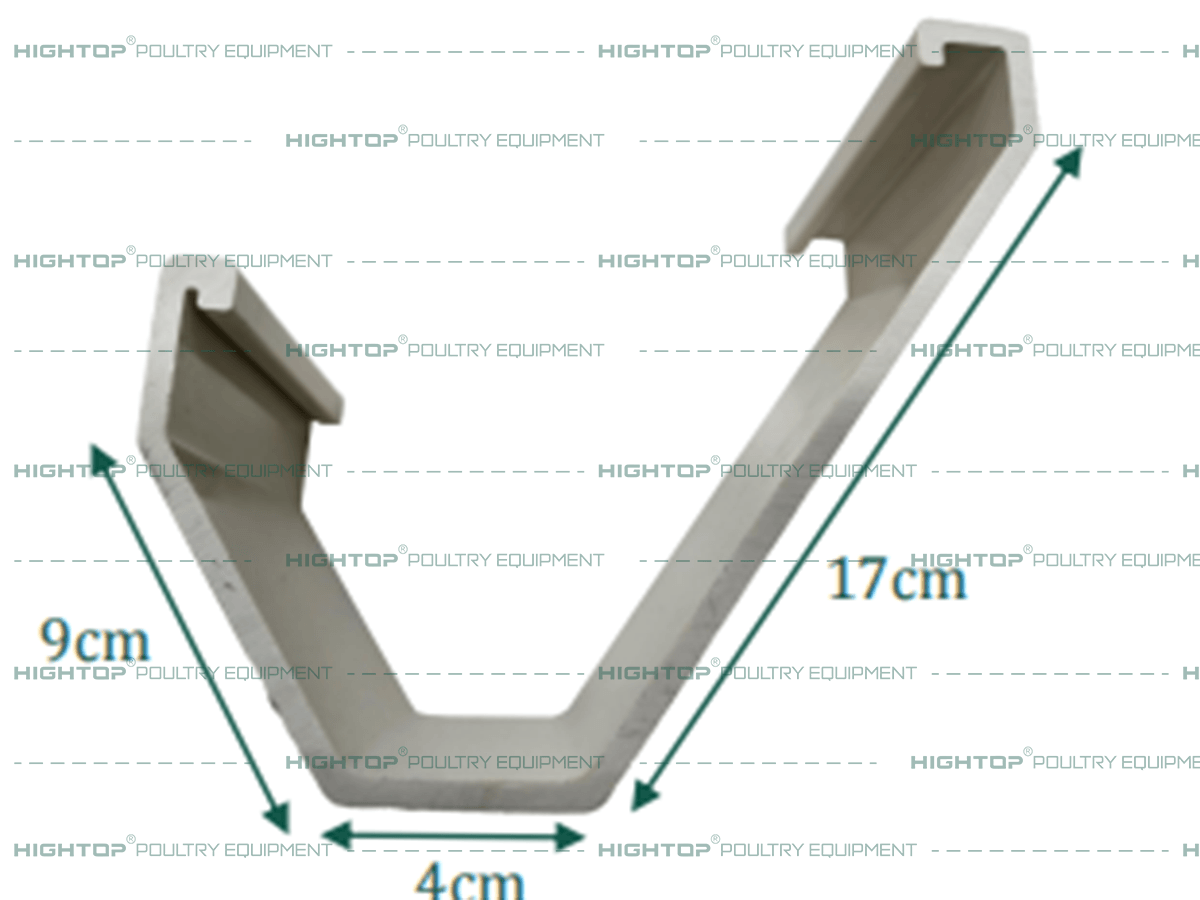
Farm workers can even stand directly on the trough during inspections without damaging it. The V-shaped structure effectively minimizes feed overflow and significantly improves the Feed Conversion Ratio.
Additional advantages include:
- Timed and quantitative feeding
- Automatic adjustment according to brooding, growing, and laying stages
- Reduced overfeeding and underfeeding
- Better flock uniformity
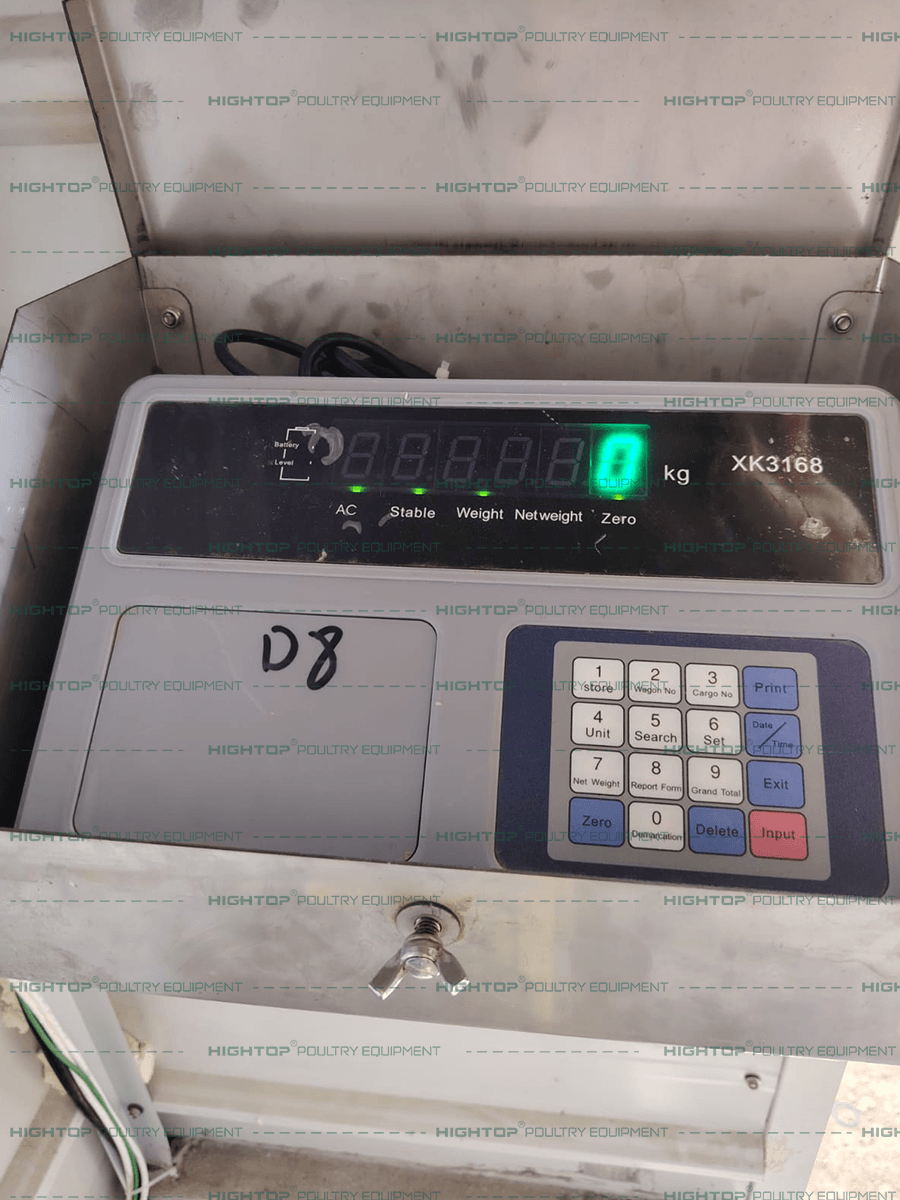
The feed silo weighing system continuously monitors feed consumption and calculates the feed-to-egg ratio, allowing farmers to evaluate production efficiency in real time.
2. Fully Sealed Design Protects Feed Quality
High-quality feed is the foundation of efficient production.
Our feeding system protects feed throughout the entire transportation process.
Key features include:
- Moisture-proof sealed feed silo with smooth inner walls
- Protection against rodents, insects, and environmental contamination
- Fully enclosed feed conveying pipelines
- Reduced exposure to dust, ammonia, and humidity
- Visual feed hopper for easy feed level monitoring
These designs help maintain feed freshness while protecting bird intestinal health.
3. Designed for High-Density Poultry Farming
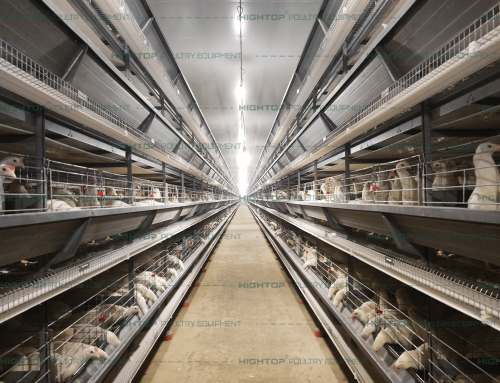
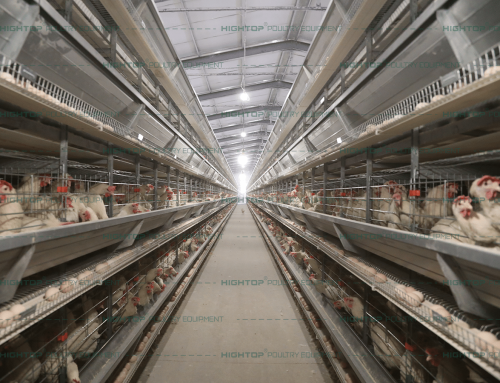
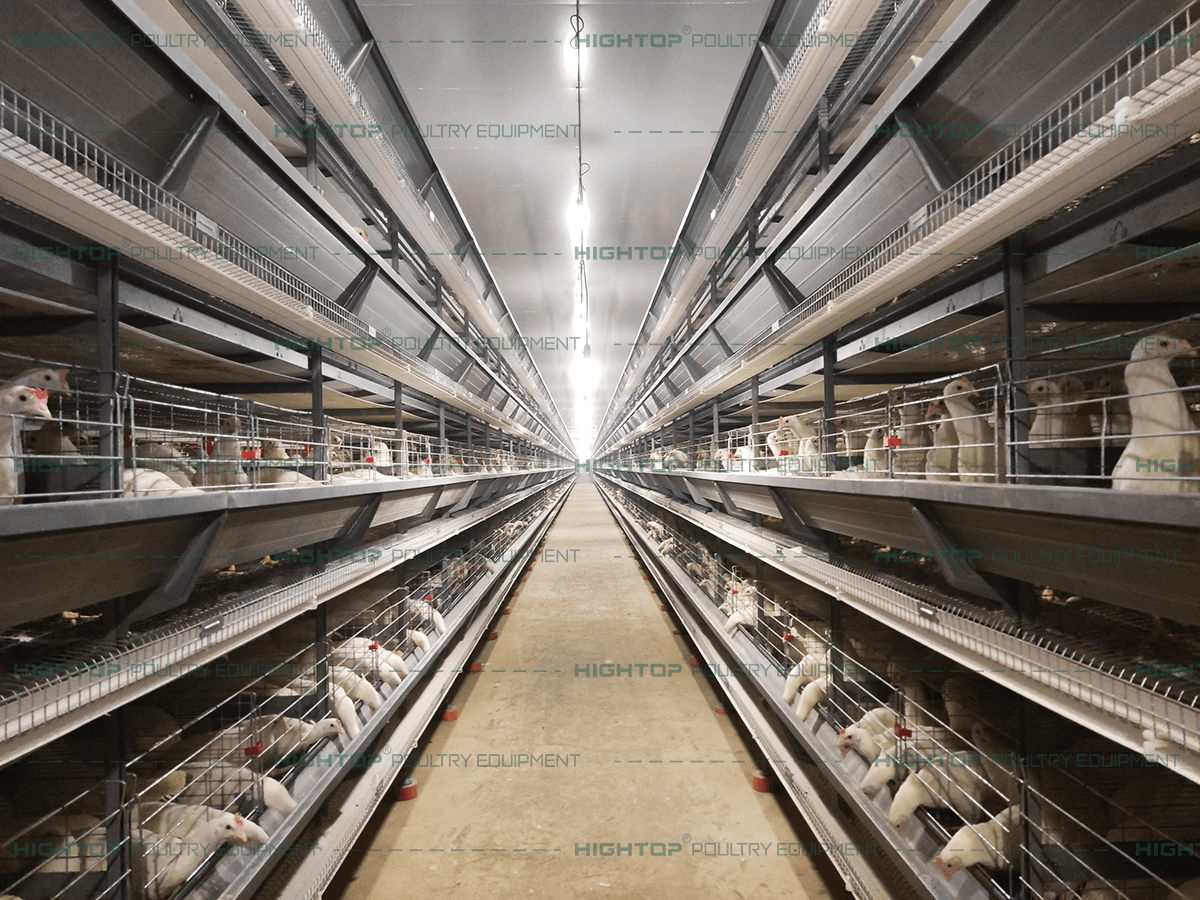
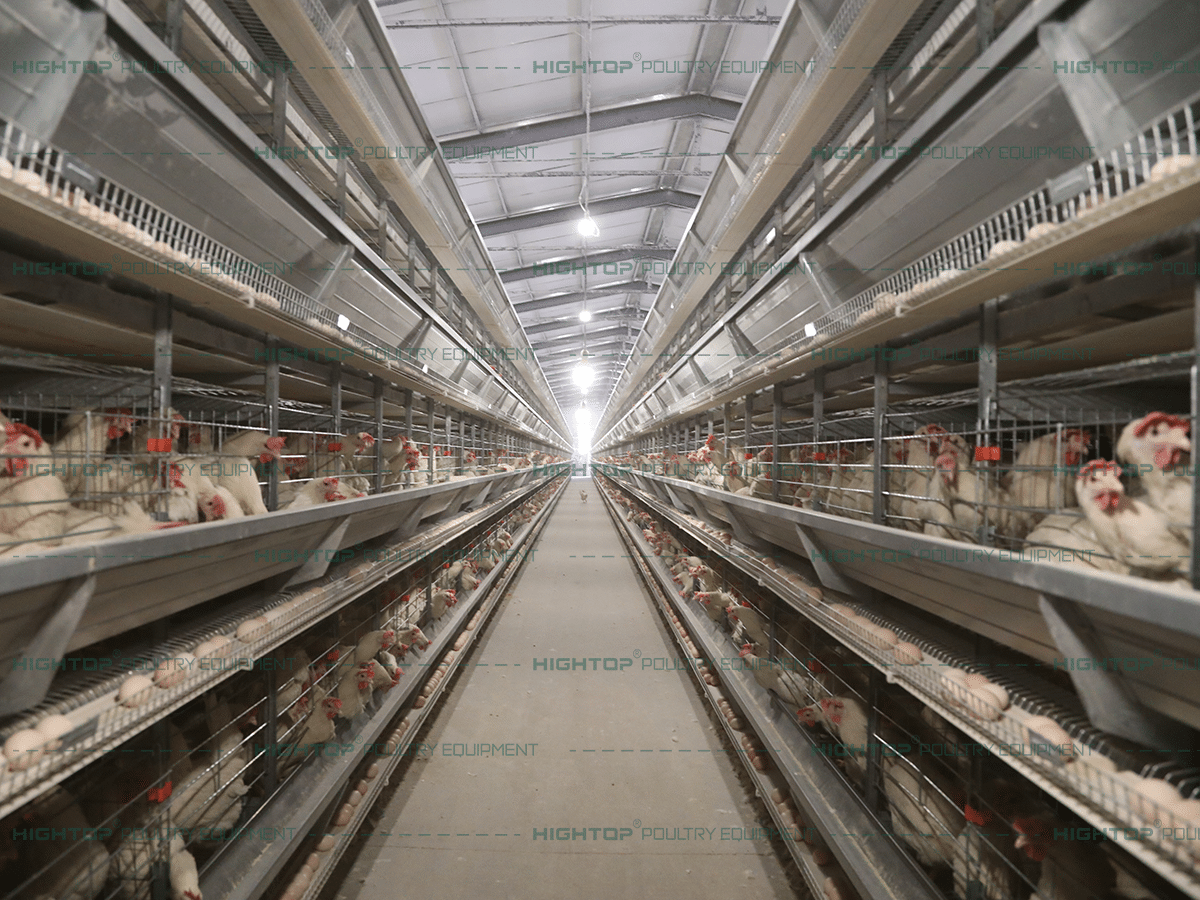
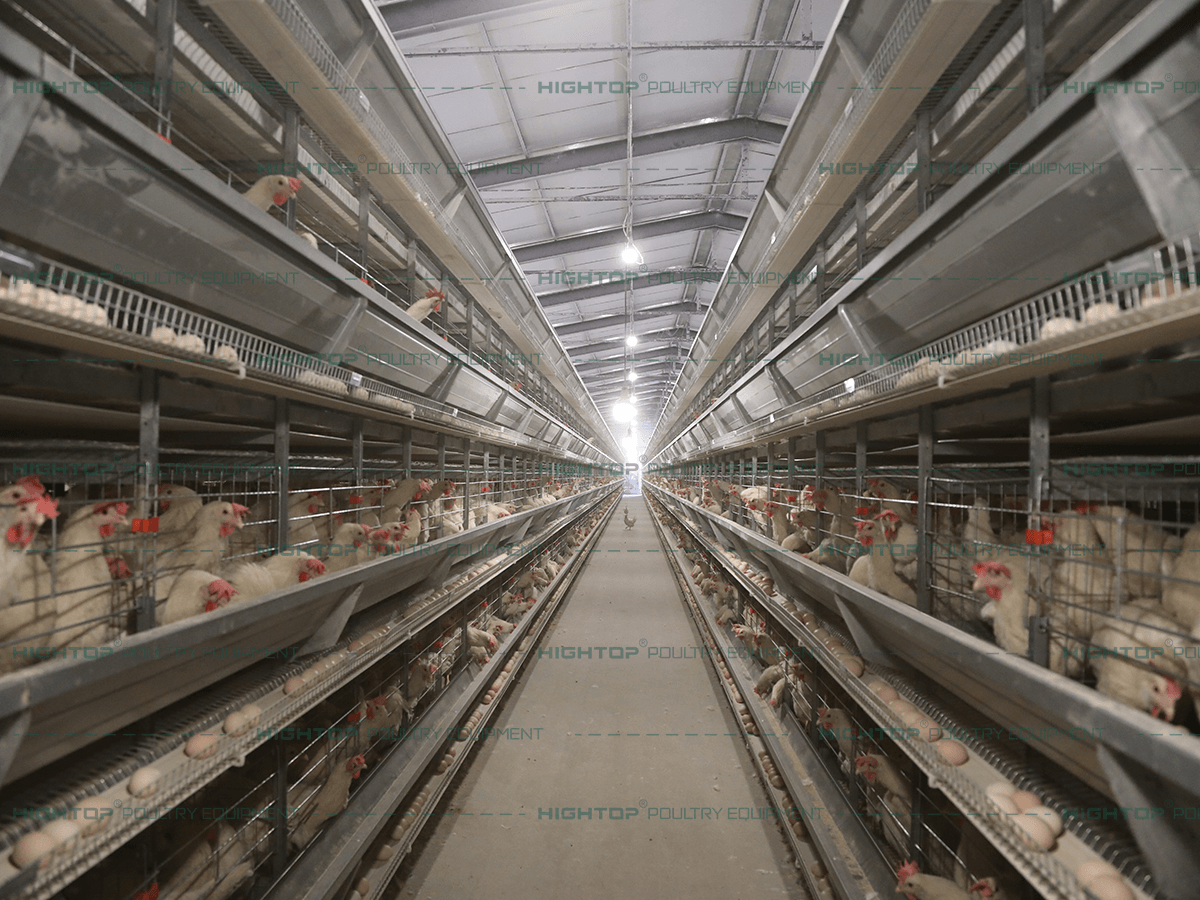
Whether operating floor-rearing or cage-rearing farms, the system delivers feed evenly throughout the poultry house.
For floor systems:
- Feeding lines are evenly distributed.
- Feeding height can be adjusted according to bird age.
For cage systems:
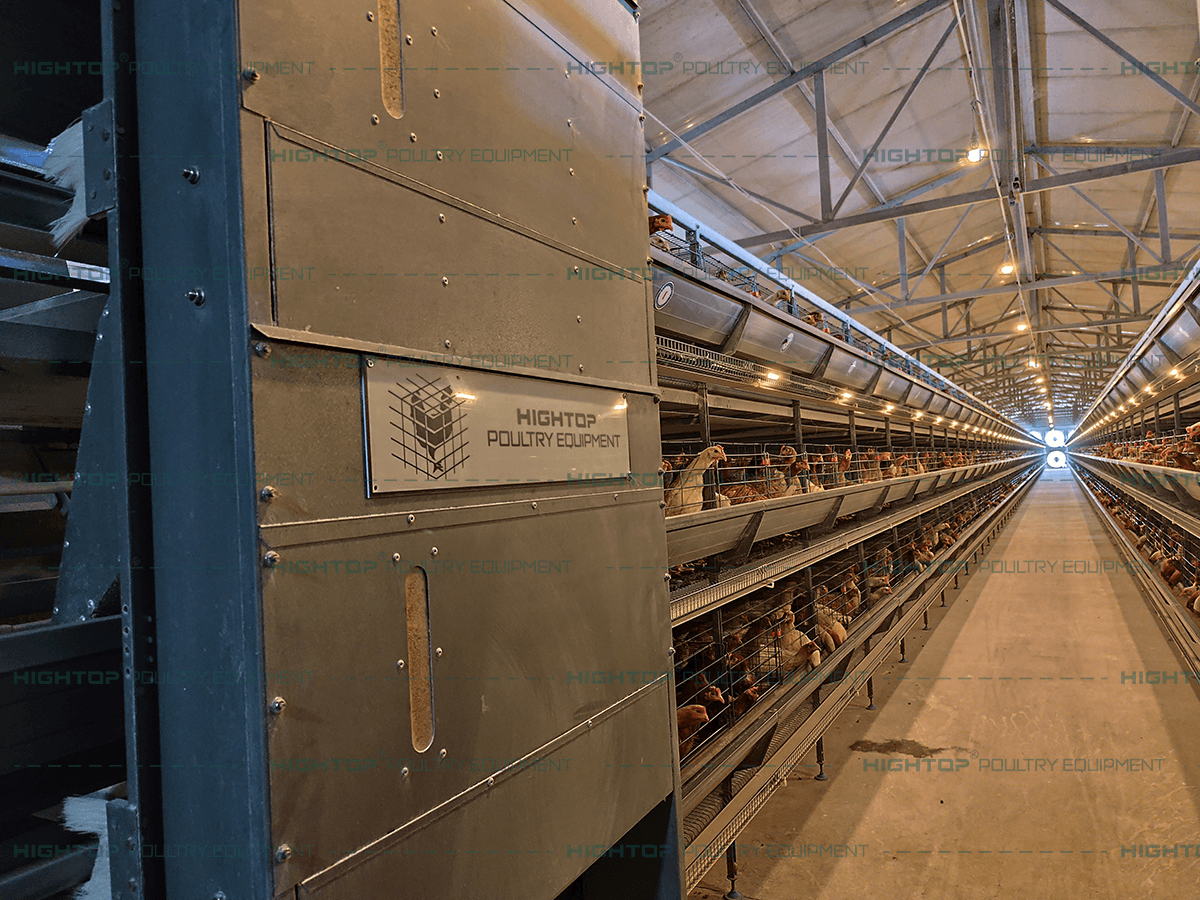
- Feeding lines are accurately aligned with every cage tier.
- Each layer receives equal feed distribution.
The feeding equipment operates quietly and smoothly, minimizing bird stress while encouraging normal feeding behavior.
4. Data-Driven Feeding Management
Combined with professional poultry management software, the feeding system automatically records:
- Daily feed consumption
- Feeding duration
- Weight gain
- Feed Conversion Ratio trends
These production records allow farmers to:
- Compare feed efficiency between different flocks
- Optimize feeding programs
- Detect abnormal feed consumption early
- Identify potential disease outbreaks before major losses occur
III. Better Feed Conversion Creates Higher Long-Term Farm Profitability
Improving Feed Conversion Ratio generates benefits throughout the entire production cycle.
Lower Feed Costs
Reducing the FCR by only 0.1–0.2 can save several tons of feed during one production cycle for a 10,000-layer poultry house, resulting in significant cost savings.
Better Bird Health
Fresh, clean, and evenly distributed feed supports healthier intestinal function, lowers digestive disease incidence, and reduces medication expenses and mortality.
Improved Flock Uniformity
Balanced nutrition helps birds maintain consistent body weights and laying performance, allowing predictable production schedules and improved market value.
Reduced Labor Requirements
Automatic feeding dramatically reduces manual labor. One operator can efficiently manage large-scale poultry houses while minimizing human error.
IV. Conclusion: Precision Feeding Leads to Greater Profitability
As competition within the poultry industry continues to increase, every kilogram of feed saved directly improves farm profitability.
A professional poultry feeding system is far more than automatic equipment—it is a complete precision feeding solution. Through accurate feed delivery, reduced waste, protected feed quality, and intelligent management, it maximizes feed value while improving flock health and production efficiency.
Choosing the right feeding system means adopting a more scientific, efficient, and profitable farming model, transforming every kilogram of feed into measurable economic returns.