
From Free-Range to High-Density Cage System: A Philippine Farm’s Journey from 35,000 to 90,000 Broilers per House – and Why They Came Back for More
A Real Encounter at ILDEX Philippines
It started with a conversation at ILDEX Philippines in August 2024.
Our local partner brought a Philippine broiler farmer to our booth. He had been raising chickens in traditional free-range houses for years, but he knew change was coming.
She wanted to know one thing:
Can I turn my old, low-ceiling free-range house into a modern, high-density cage operation without rebuilding from scratch?
That question changed everything.
The First Farm Visit: Measuring the Old Sheds
After the exhibition, we did what we believe every serious supplier should do – we visited his farm in person.
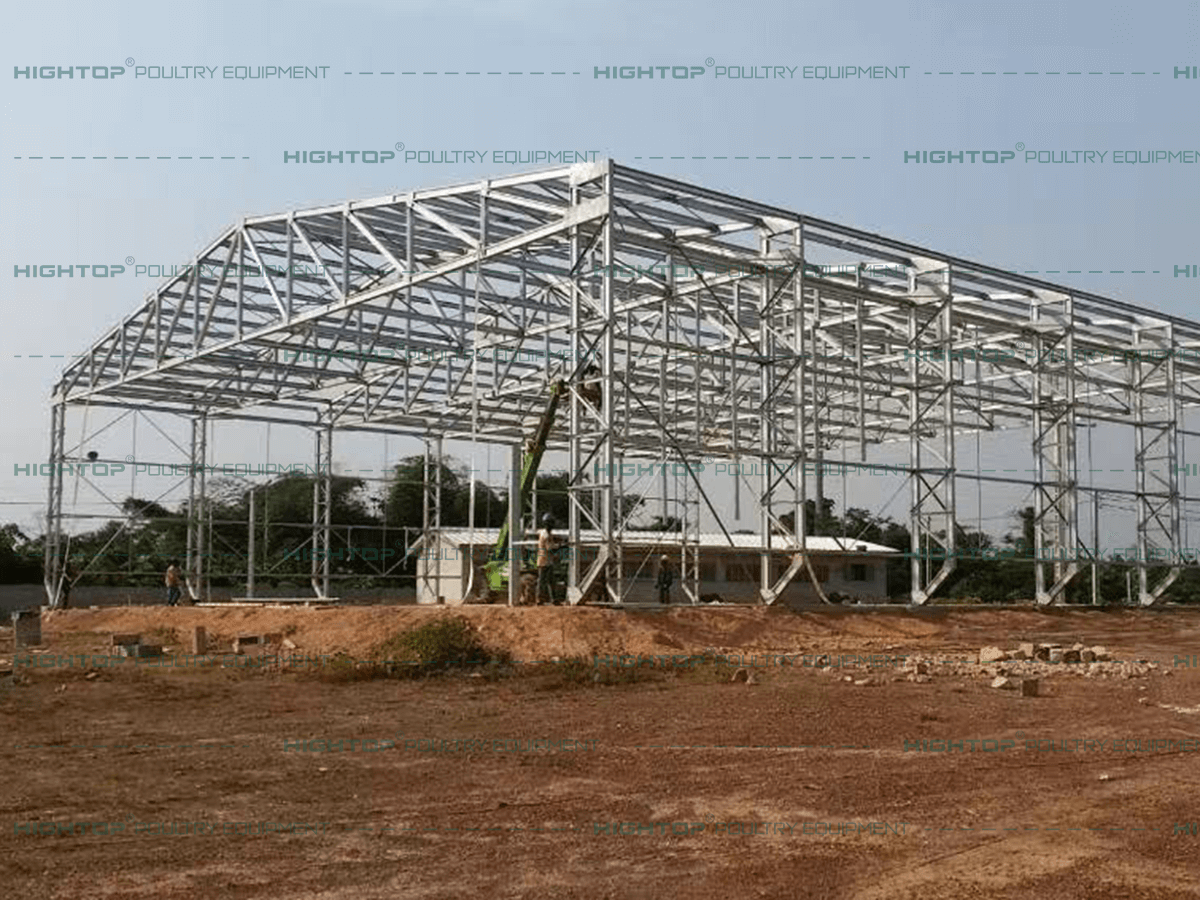
Together with our local partner, we walked into her existing free-range houses. We measured every corner. We checked the roof height, floor conditions, ventilation dead spots, and power supply.
At that moment, she made her intention clear:
‘I want to retrofit all four old broiler houses on this land.’
Not one. Four.
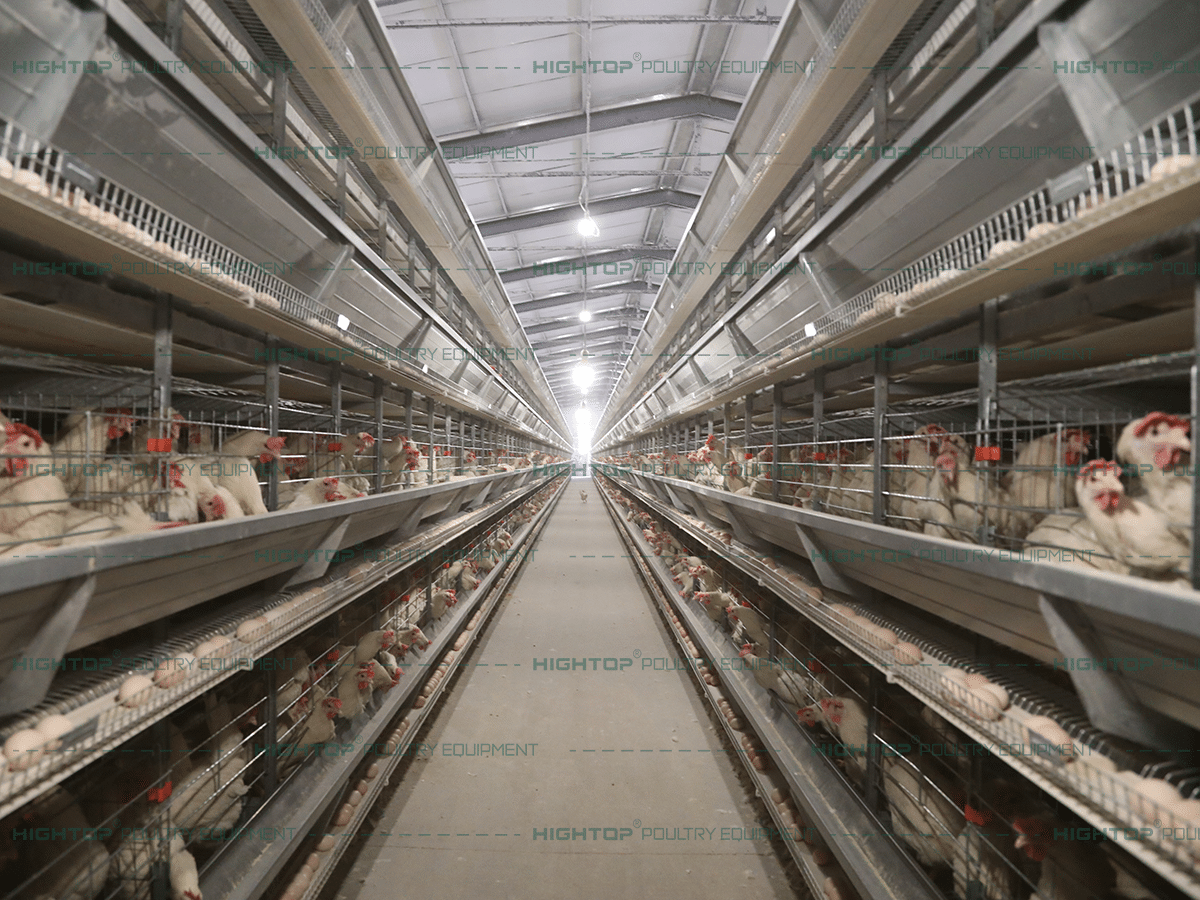
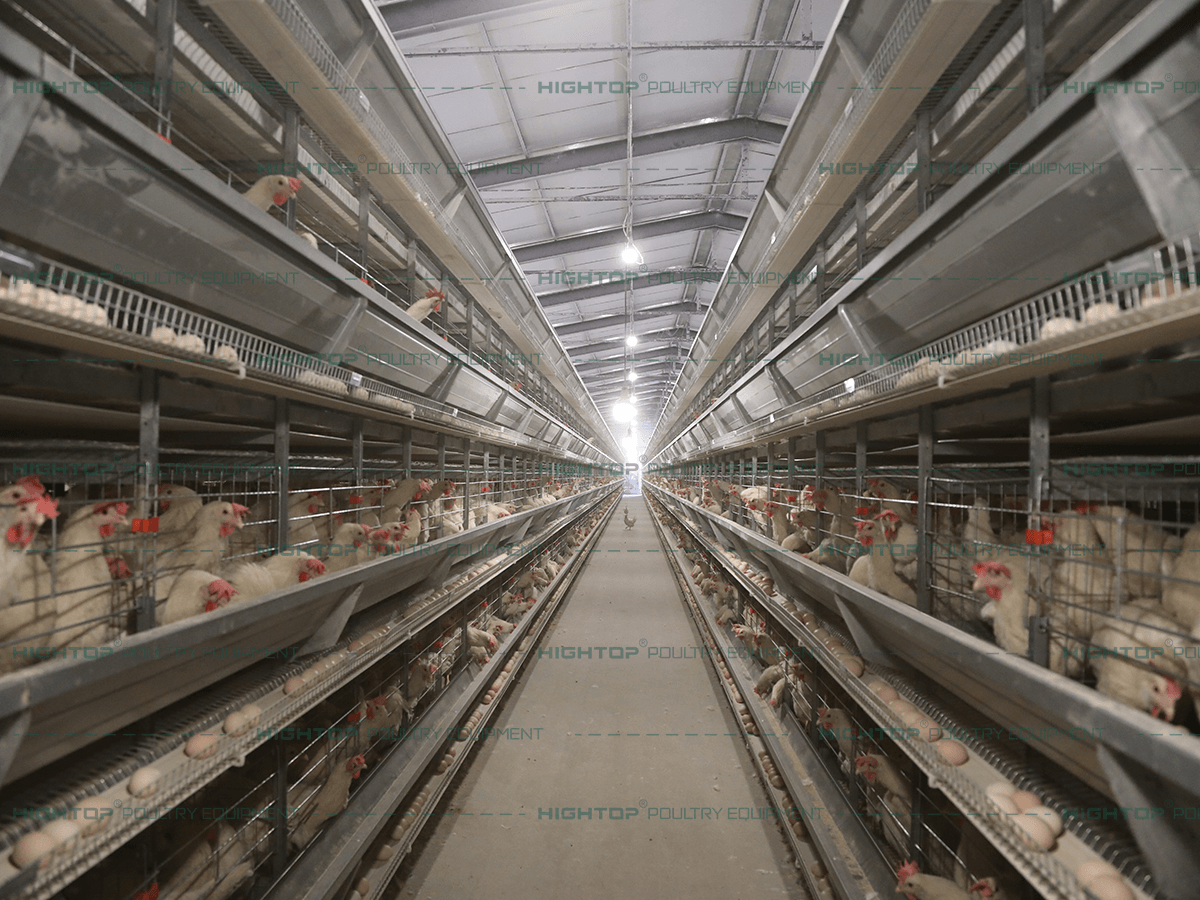
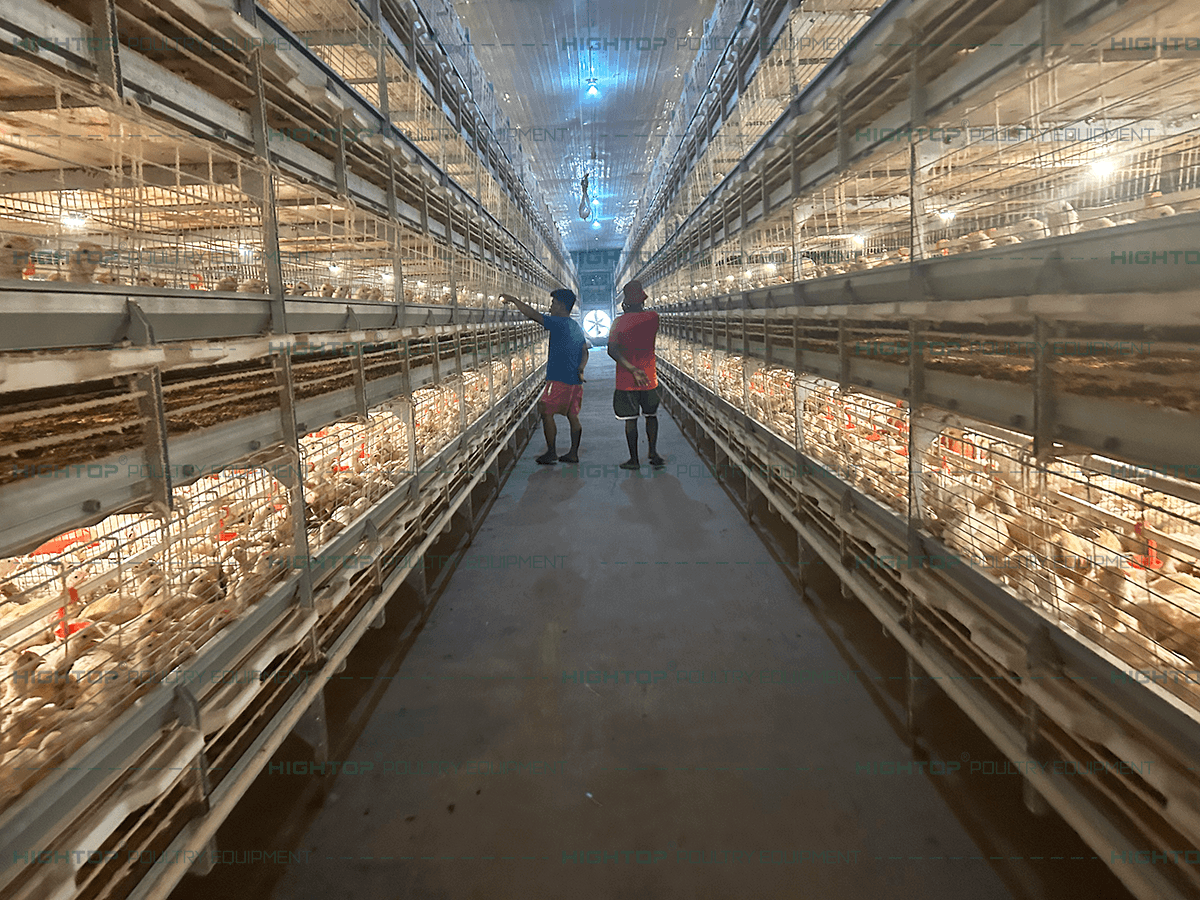
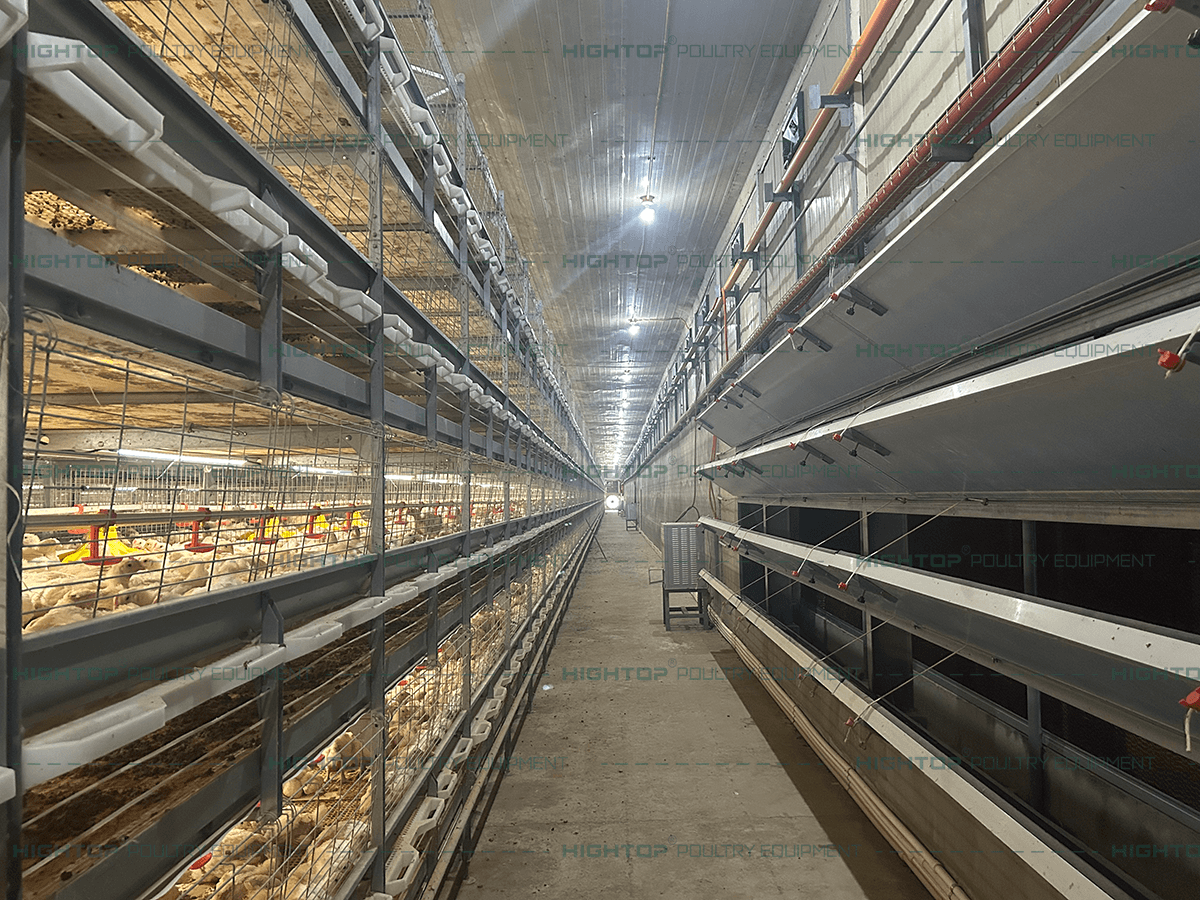
First House: 4-Tier, 4 Rows, 90,000 Broilers
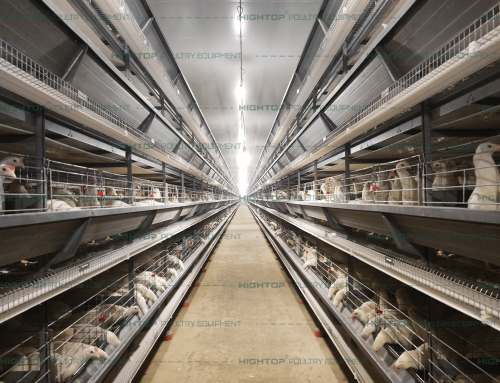
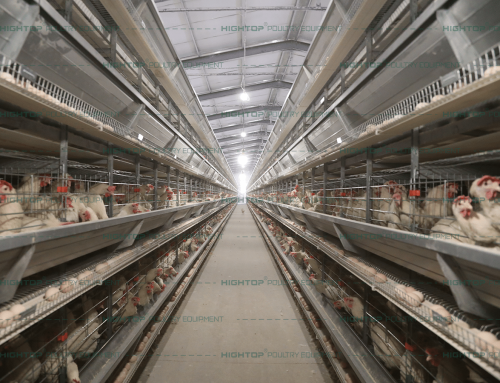
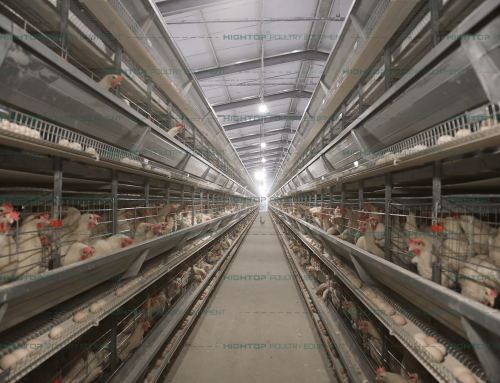
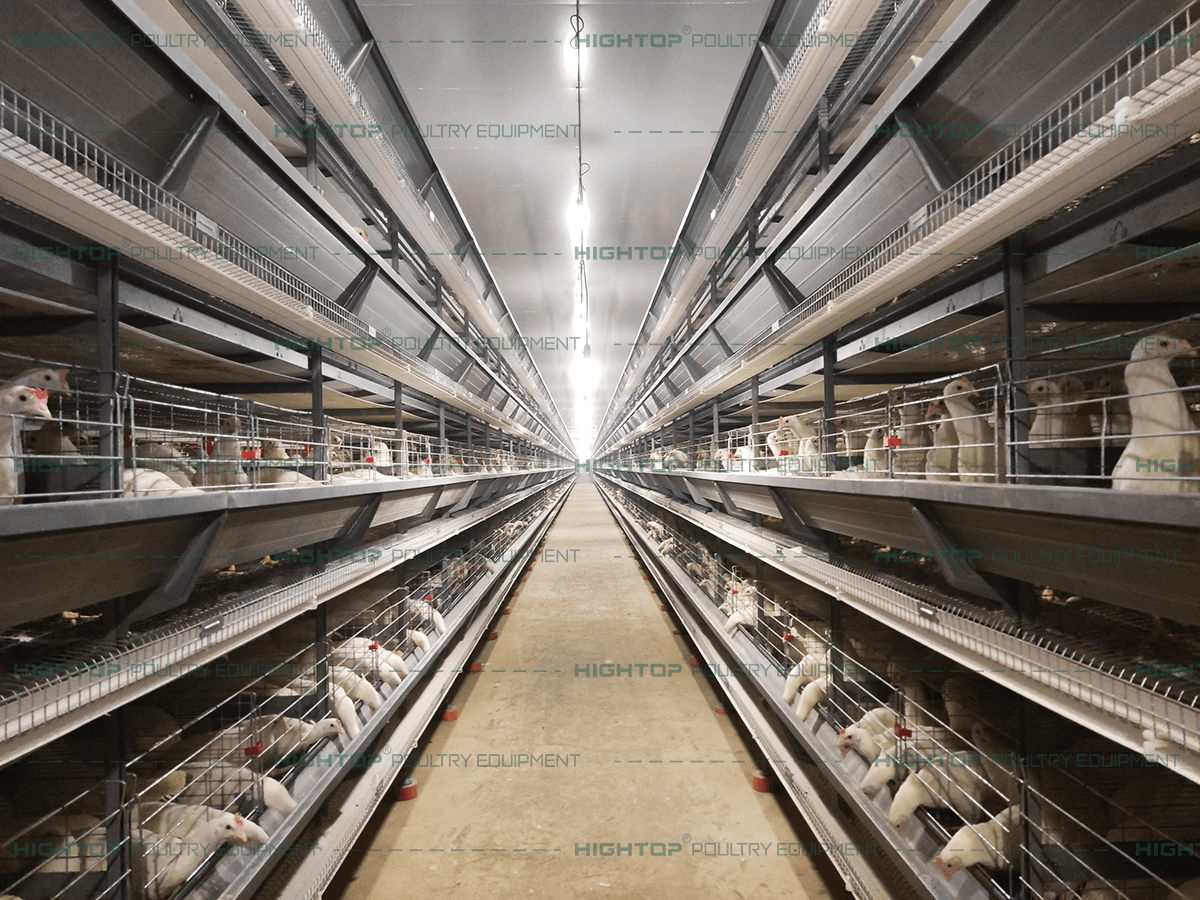
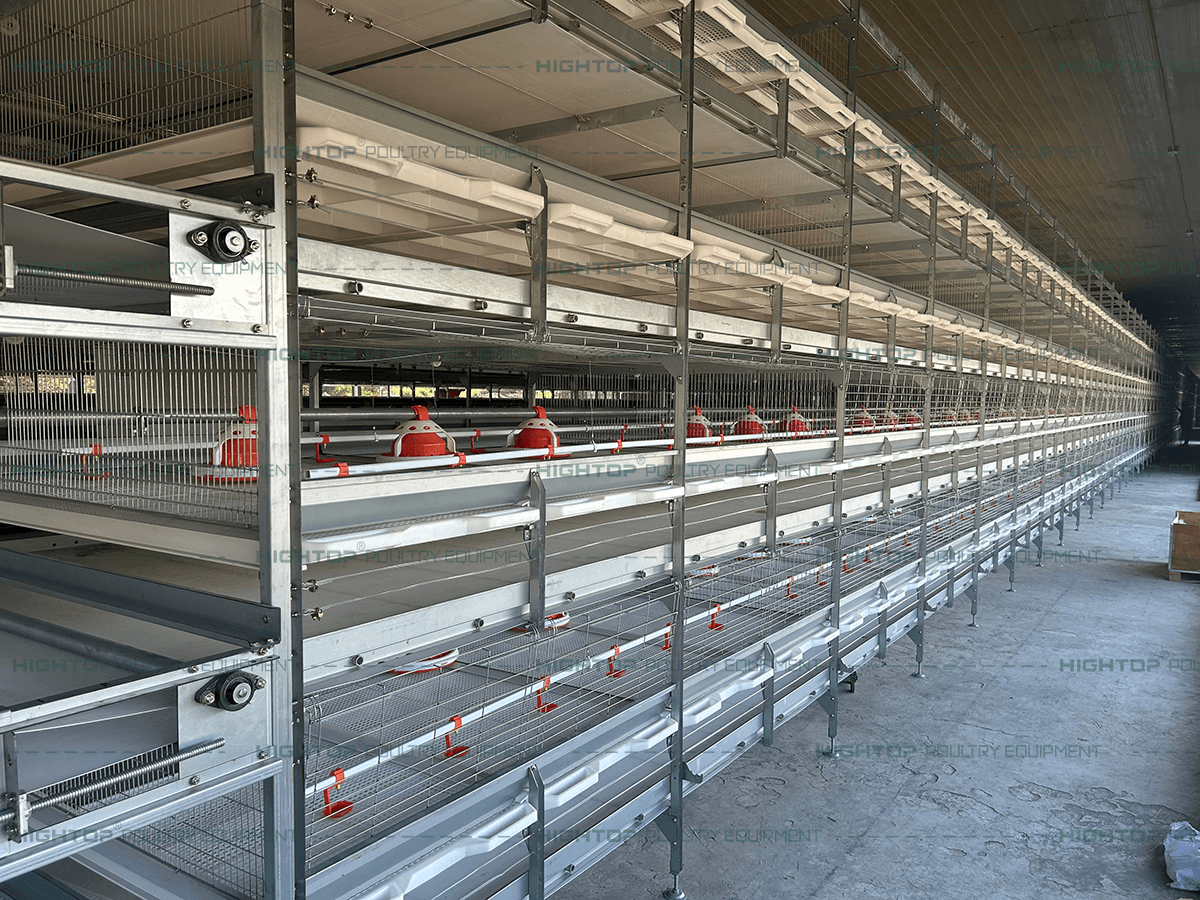
After detailed measurement and layout planning, we designed the first H-Type Pull-out Slat Automatic Harvesting Broiler Cage System for her.
- 4-tier × 4 rows
- 90,000 broilers per house
- Full automatic system including:
- Automatic drinking
- Automatic feeding
- Automatic manure removal
- Automatic chicken harvesting (pull-out slat system)
- LED grow lights
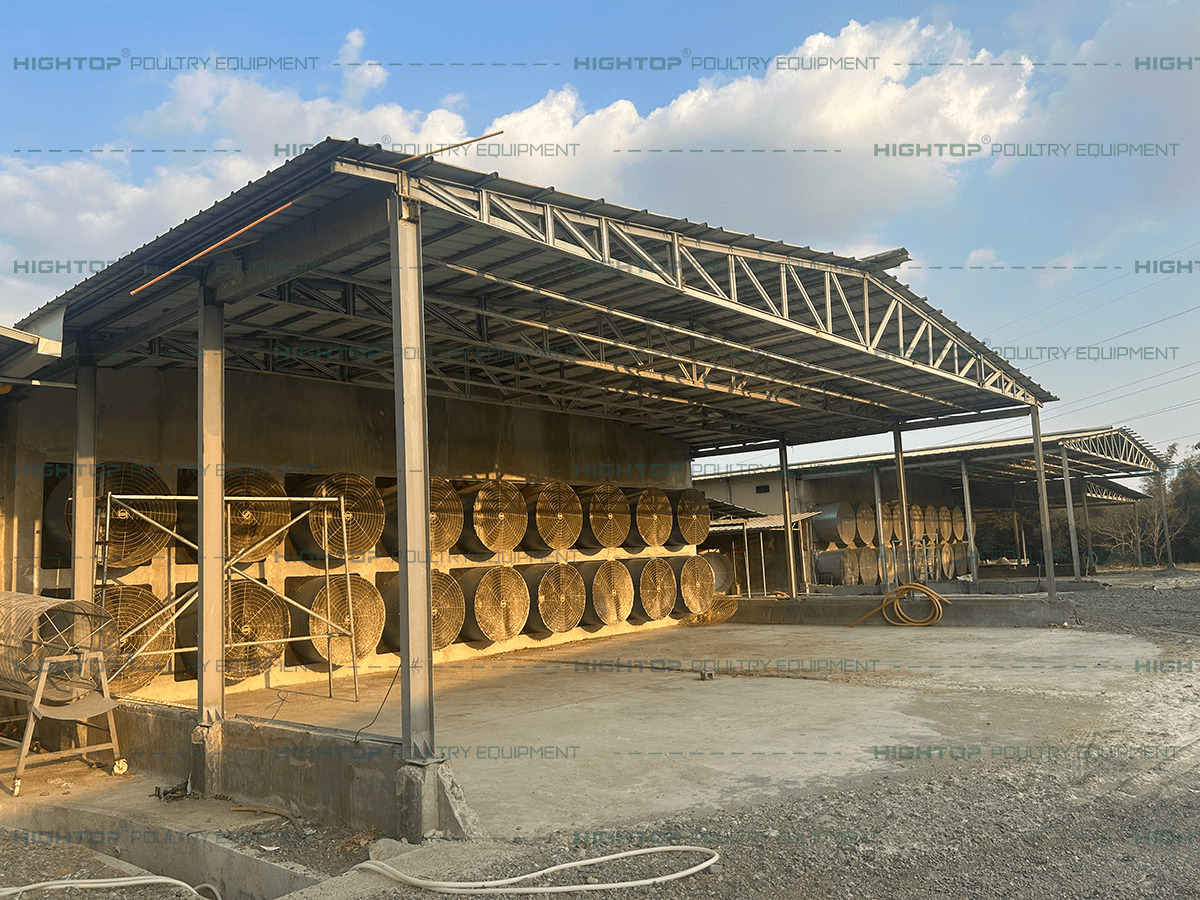
- Fans, cooling pad, air deflectors
- Heaters
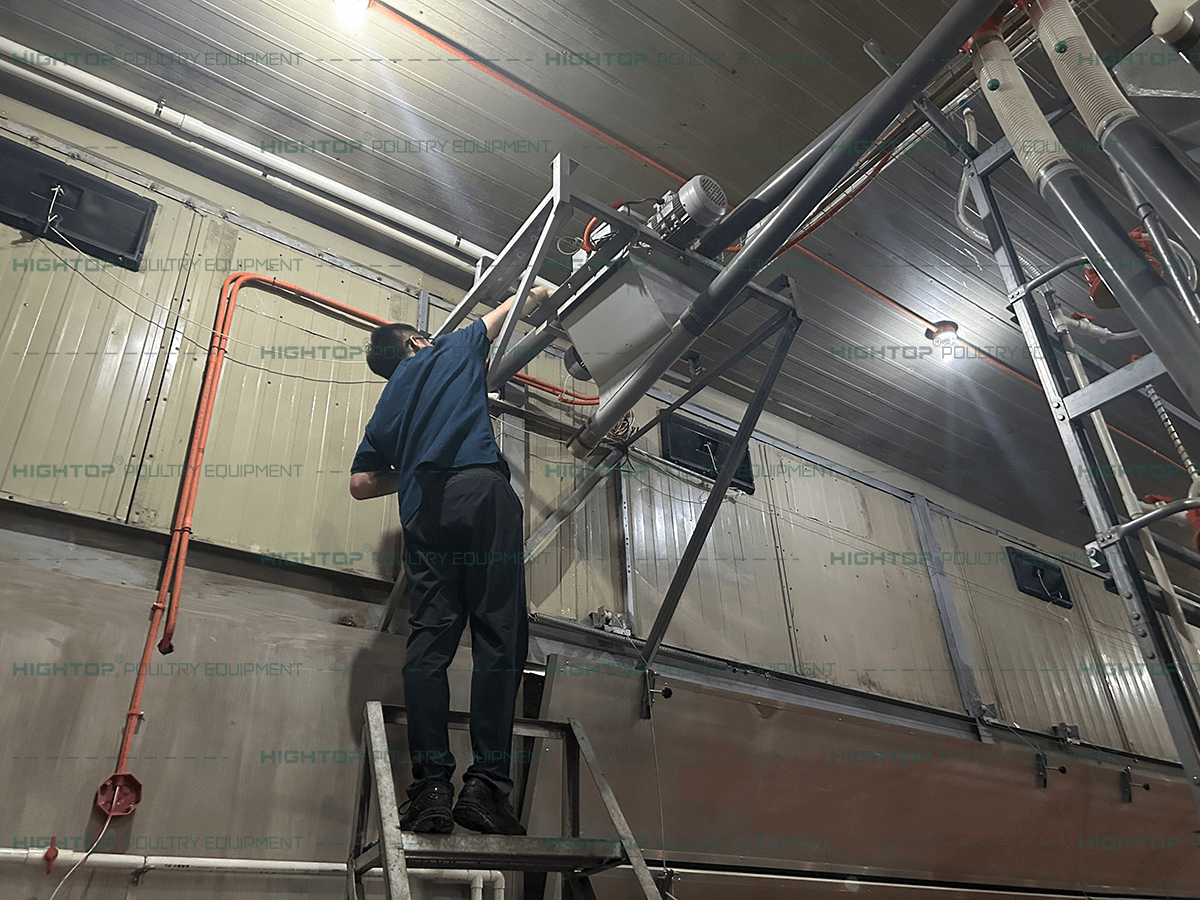
- Environmental control and electrical control system
She placed the order in September 2024.
What “Free-Range to Cage” Really Means on the Same Land
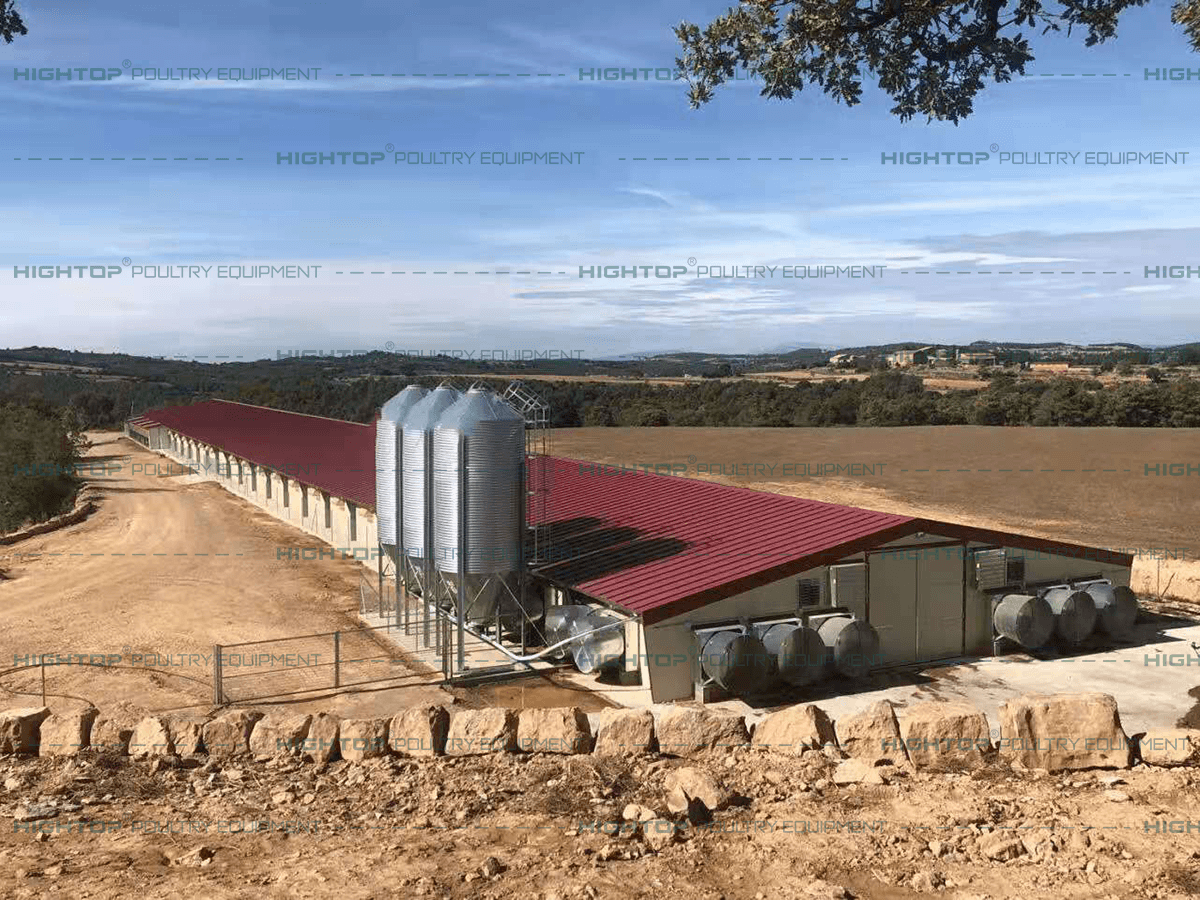
Before the retrofit, her old free-range house could only hold about 35,000 birds under the same roof area.
With our 4-tier 4 rows H-Type pull-out slat system:
- 90,000 birds per house
- More than 2.5 times the capacity
- Zero land expansion
This is what real space utilization looks like.
Beyond Capacity: Six Practical Gains She Didn’t Expect
She thought the biggest benefit would be more birds.
Soon she discovered five more game changers.
1. No More Catching Hell
Catching chickens by hand in a free-range house is backbreaking, slow, and stressful to the birds.
Now, the pull-out slat system will let the chickens drop on the belt and transfer outside the building to catch inside the transport crate, only need about 12 hours.
2. Cleaner Birds, Healthier Flocks
Free-range means direct contact with litter, droppings, and parasites.
Cage systems keep birds above manure, dramatically reducing ammonia, coccidiosis, and respiratory risks.
Biosecurity? Instantly upgraded.
3. Lower FCR, Faster Growth
Controlled temperature, humidity, and oxygen levels mean FCR improved by 5–10%.
Growth became more uniform. Mortality dropped.
Every batch became more predictable.
4. Labor Cost Slashed
With automatic feeding, drinking, manure removal, and chicken discharge, one worker now does what three workers used to struggle with.
In the Philippines, where skilled farm labor is becoming harder to find, this is not a small thing.
5. Less Electricity than Feared
She initially worried about power bills.
But with proper environmental control design and later upgrades, his energy cost per bird actually went down.
6. Works with Weak Power Grid (Important for Provincial Farms)
The farm is not in the Metro.
Power fluctuation is real.
Our later EC fan upgrade addressed exactly this.
First House Running Smoothly – Then Came the Second Order
Months passed.
The first house performed exactly as designed.
Installation was fast.
After-sales support was responsive.
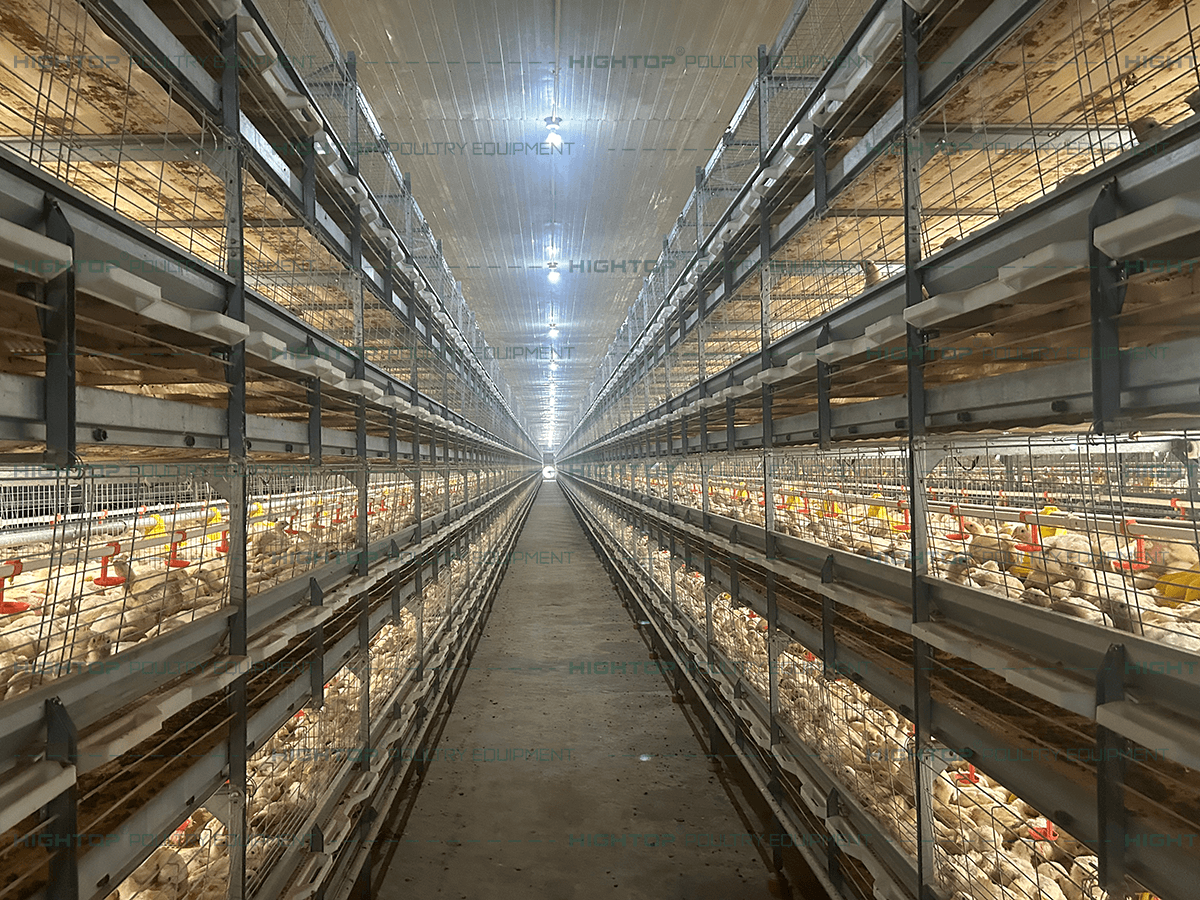
Then in April 2025, she placed her second order – another identical 4-tier 4 rows H-Type pull-out slat system for a second old house on the same farm.
Another 90,000-bird capacity.
Same successful formula.
Different house.
This is the kind of repeat order that tells you more than any marketing brochure ever could.
Scalable Design: From One House to Four, Without Reinventing the Wheel
One of the most important lessons from this project is scalability.
This farm owner never had to redesign her operation for each new house.
Our system uses a repeatable layout:
- Same cage dimensions
- Same control logic
- Same spare parts inventory
- Same training for workers
Once the first house worked, the second, third, and fourth houses became simple copies – not engineering challenges.
That is what Scalable Design really means for a farmer:
- Lower risk
- Faster rollout
- Predictable results
Second Round Upgrades: EC Fans and Lighting Test
Because she was willing to grow with us, we introduced two important upgrades in the second house.
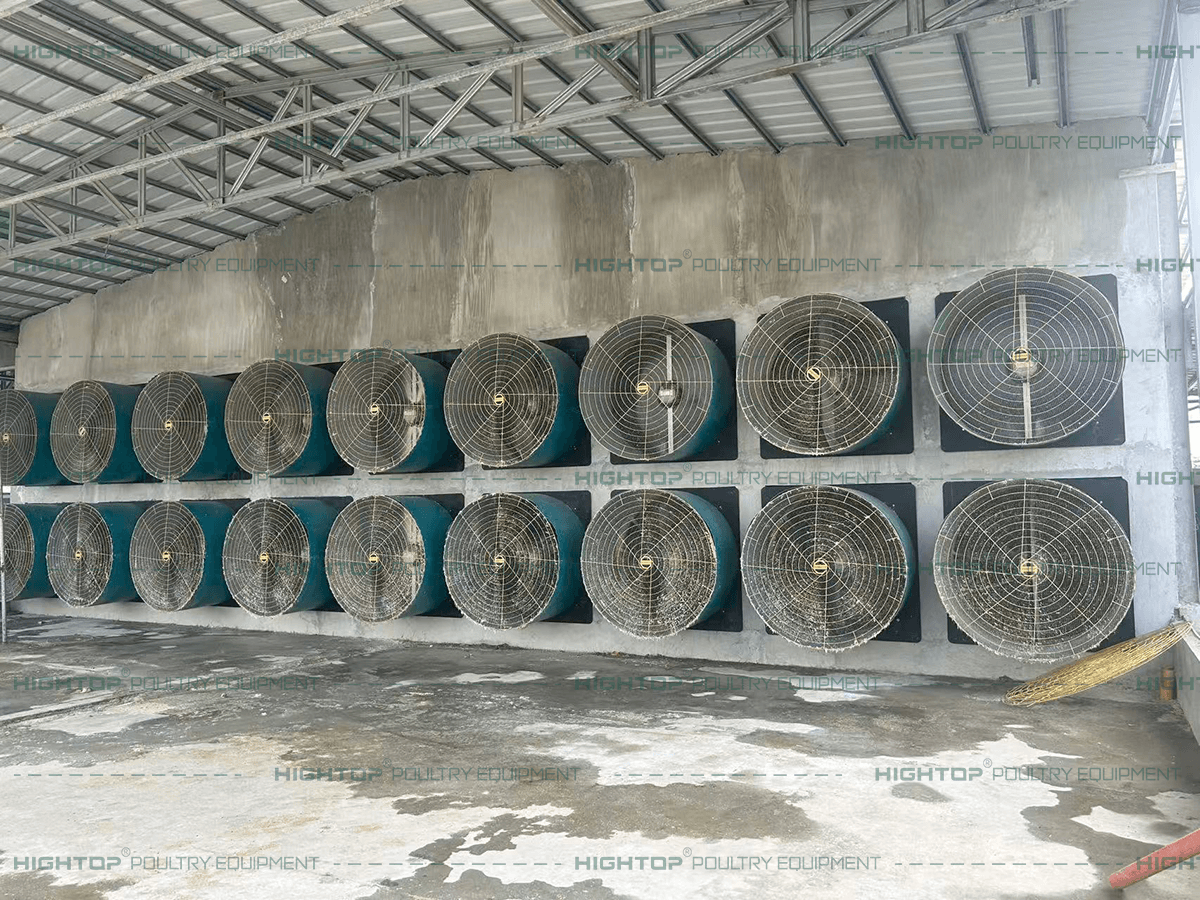
1. AC Fans → EC Fans
- Energy saving – immediate reduction in electricity cost
- Wide voltage tolerance – perfect for Philippine voltage fluctuation
- Precise speed control
- Lower noise – less bird stress, better worker environment
- Less maintenance
For farms outside major cities, EC fans are no longer a luxury.
They are a practical necessity.
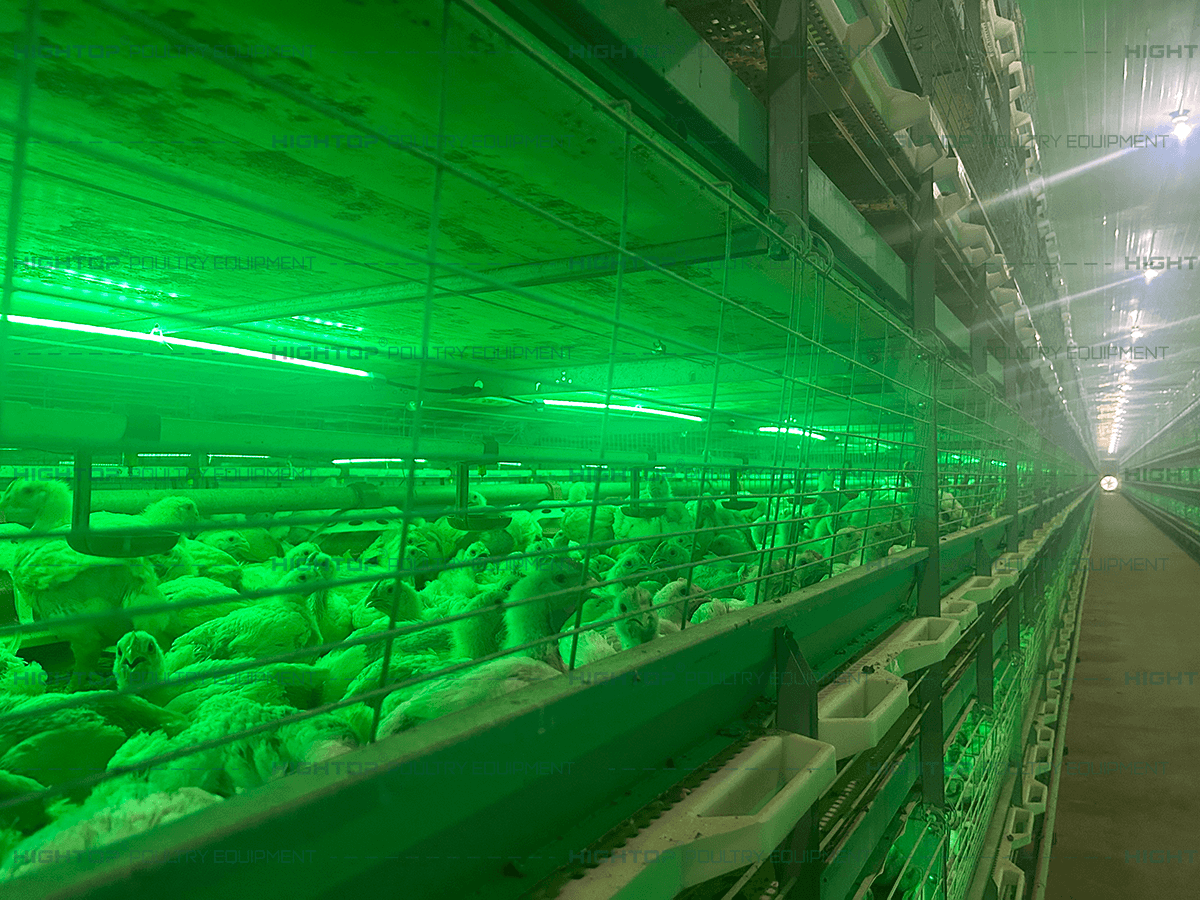
2. Different LED Light Color for Growth Comparison
We changed the light color in the second house to run a controlled comparison:
- House 1: Warm white light color
- House 2: Green color
The goal is simple – to see what light spectrum gives the best broiler weight gain.
She is not just buying equipment.
She is part of an ongoing improvement process.
Where They Are Now – And What Comes Next
As of today:
- Two houses fully retrofitted
- 180,000 broilers total capacity
- Both systems running with high uptime and stable performance
- The farmer is extremely satisfied with product quality, installation speed, and after-sales service
And here’s the big news:
She is now preparing the third house.
Four houses in total are planned.
When all four are completed, this single farm – originally built for free-range – will have a total capacity of 360,000 broilers.
No new land.
No reinvention.
Just scalable, proven cage systems installed on old free-range floors.
What This Means for You
If you are a Philippine broiler farmer still raising chickens on litter in old houses, this story is not just inspiring – it is directly applicable.
You do not need a new building.
You do not need to change your land.
You do not need to wait for ideal conditions.
What you need is:
- A site visit and measurement by people who understand retrofitting
- A customized layout for your specific roof height and floor shape
- A proven 4-tier 4 rows or adaptable H-Type system with pull-out slat harvesting
- Automatic feeding, drinking, manure removal, and environmental control
- Ongoing support and spare parts through a local partner
And if you worry about power fluctuation or high electricity cost – EC fan technology is already here.
Let’s Talk About Your Old Houses
We do not sell from a distance.
We visit.
We measure.
We design.
We support.
Just like we did for this Philippine farmer in 2024 – and we are still working with her today.
If you have one or more old free-range houses and want to see what 90,000 birds per house looks like on your land, contact us.
Tell us:
- How many old houses you have
- Approximate dimensions (length, width, roof height)
- Your current free-range capacity and target capacity
We will:
- Arrange a site visit through our local partner
- Provide a free layout proposal
- Share real cost-benefit analysis based on Philippine electricity and feed costs
Because the best proof is not a catalog.
The best proof is a farm like this one – from 35,000 to 90,000 per house, and now planning 360,000.
Contact us today. Let’s retrofit your first house.